Periostitis – Causes, Symptoms and Treatment
Periostitis is a painful condition. It is caused primarily by infections and affects the outer layer of the bone. It can occur in various regions of the body; in dentistry, however, it frequently affects the jawbone.
Infection can occur particularly after trauma, accidents or surgical procedures. This infection then leads to inflammation of the periosteum. If it is not recognised and treated in time, it can develop into a serious condition. In the worst case, the result is bone loss.
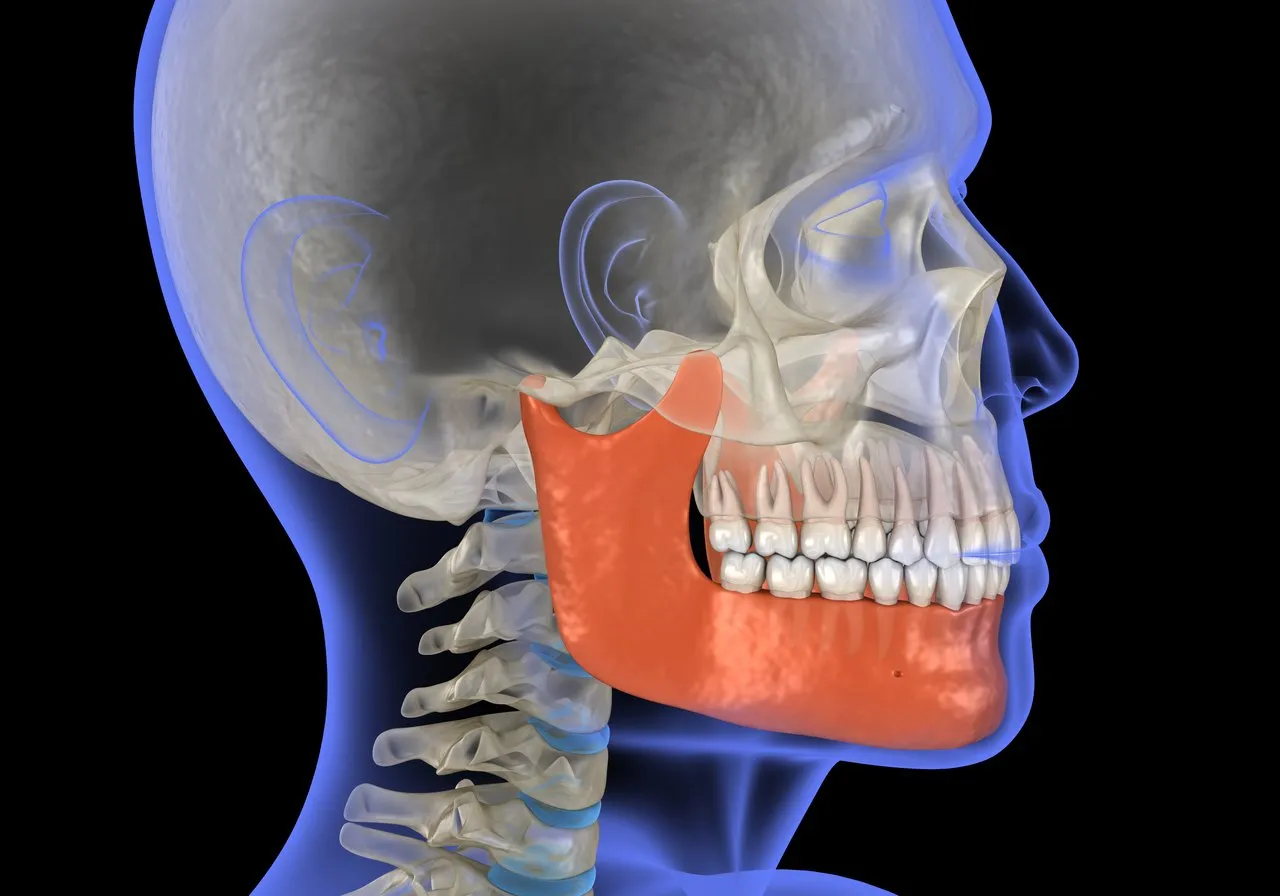
Periostitis in the jaw causes severe pain. It can impair the function and stability of the entire masticatory apparatus. Because the bone itself is inflamed, the body initiates a strong counter-reaction.
Über 350 Google-Bewertungen
The short answer
Periostitis in the jaw usually arises from a bacterial infection — for example, after accidents, dental procedures or as a result of untreated tooth infections. Typical signs include persistent pain that worsens with pressure, swelling, warmth and redness. As untreated periostitis can lead to bone loss and even bone necrosis, dental diagnosis and treatment should be sought early.
- Typical causes
- Bacterial infections after trauma, accidents or surgical procedures; untreated tooth infections can also spread to the jawbone
- Warning signs
- Persistent pain that worsens with pressure or movement, swelling, warmth, redness and possibly restricted mouth opening
- When to see a dentist
- Early, at the first symptoms — if left untreated, tissue damage and even bone necrosis requiring complex surgical treatment may occur
General information only, not individual dental advice. A doctor must make the diagnosis and prescribe any medication (e.g. antibiotics).
Causes of periostitis
In most cases, periostitis develops as a result of a bacterial infection. This can penetrate the bone tissue directly after an accident, an injury or a dental procedure. Untreated tooth infections or inflammatory processes in the mouth can also spread to the jawbone.
Patients are particularly at risk after major procedures, when the immune system is weakened or wound healing is delayed. Always keep an eye on your dental health after a procedure and consult a dentist if you notice anything unusual.

Symptoms of periostitis
The symptoms of bone inflammation are often clearly noticeable. Persistent pain in the affected area is typical. The pain usually increases in intensity with movement or pressure.
Patients with periostitis in the jaw frequently report jaw joint pain or a dull, deep-seated pain in the bone itself. In addition to pain, swelling, warmth and redness may also occur. In some cases, mouth opening is restricted, and everyday functions such as chewing or speaking are accompanied by pain. Significant trismus (severely restricted mouth opening), rapidly increasing facial swelling or fever may indicate a deeper infection and require urgent dental or medical assessment. Anyone with difficulty swallowing or breathing needs emergency help; in Berlin, call 112.
The symptoms of bone inflammation should not be ignored, as the condition can worsen rapidly. As it progresses, the tissue may break down, which can result in bone necrosis. This stage is not only very painful but usually requires extensive surgical treatment.

Diagnosis of periostitis
A fast and precise diagnosis is crucial for the success of bone inflammation treatment. At our Wunschlachen dental practice, we use modern imaging techniques such as digital X-rays and 3D scans. These help to localise the focus of inflammation precisely. Modern examination methods enable us to determine the extent of the inflammation and plan the best possible therapy.
In addition, clinical examinations are carried out to assess the severity of the pain and the mobility of the jaw. In some cases, a microbiological analysis is also necessary to identify the pathogen precisely. Targeted treatment with suitable medication for bone inflammation can then begin.

Treatment of periostitis
The treatment of bone inflammation depends on the severity and progression of the condition. In the early stages, conservative therapy may be sufficient. This primarily involves the use of medication for bone inflammation. Active odontogenic infection requires prompt dental assessment and management of the dental source; medication or rehabilitation alone should not delay this.
Antibiotics are used where indicated. These fight the infection and reduce the inflammation. Anti-inflammatory medicines and painkillers can also be used to relieve the symptoms.
Physiotherapy measures can support healing by promoting blood circulation and restoring the function of the affected area. In the case of periostitis in the jaw, this can also include special jaw joint exercises once any active infection is being appropriately managed. This can improve mobility and help prevent subsequent damage. Rehabilitation must not replace treatment of the infection.
In advanced cases where the tissue is already severely damaged, surgery may be necessary. The inflamed or destroyed tissue is removed to stop the infection from spreading. If the bone is already severely affected, bone replacement may be required to restore stability and function.

Surgical procedure for periostitis
In the case of advanced periostitis in the jaw, conservative measures alone, such as medication and physiotherapy, may no longer be sufficient. Depending on the clinical findings and severity, a surgical procedure may be necessary. The aim of the operation is to drain the infection and completely remove the inflamed and, where applicable, destroyed tissue. This stops the infection from spreading and healing is then initiated.
The procedure begins with thorough anaesthesia of the affected area. The dentist or oral surgeon then opens the soft tissue to expose the inflamed bone. Inflamed tissue and bacterial deposits are removed with special instruments. If the bone is already affected, unstable or dead areas are smoothed or removed.
In severe cases, a bone substitute material can be used to restore stability and shape. The wound is then carefully cleaned and closed. After the operation, there is a controlled healing phase with medication for pain and inflammation, adjunctive antibiotics where indicated, and regular follow-up checks.
This targeted procedure can stop the infection. The risk of bone necrosis is minimised and the function of the jaw is preserved in the long term. Close cooperation between patient and practitioner is crucial for a successful recovery.