
A pulling sensation in the jaw with no obvious pain
A pulling sensation in the jaw can occur without any obvious pain and still be unsettling. Such sensations often arise from tense chewing muscles, teeth clenching or changes in the temporomandibular joint. A dental examination clarifies possible causes and identifies changes requiring treatment at an early stage.
Über 350 Google-Bewertungen

What does a pulling sensation in the jaw feel like?
Those affected often describe tension, pressure or a mild sensation that moves around the jaw. The feeling can occur on one side or on both sides. Sometimes the pulling sensation extends to the ear, neck or temple.
The symptoms often cannot be clearly attributed to a particular tooth. They can become worse when chewing, speaking or after waking up. Some people only experience the pulling sensation at rest.

Tense chewing muscles as a common cause
The chewing muscles work every day when we eat, speak and swallow. Persistent tension can overload these muscles and cause a pulling sensation. The jaw often feels tired or heavy as a result.
Stress increases unconscious muscle tension in many people. The lower jaw is then held firmly or pressed against the upper jaw. This strain can also affect the neck and temples.

Teeth clenching and night-time grinding
Teeth clenching and grinding are grouped together under the term bruxism. Many people affected do not notice this habit while they are asleep. Morning jaw tension can therefore be an important sign.
Other signs include worn-down tooth surfaces or tender chewing muscles. Headaches after getting up can also occur at the same time. A dental check-up can identify typical signs of strain.
The temporomandibular joint and CMD as triggers
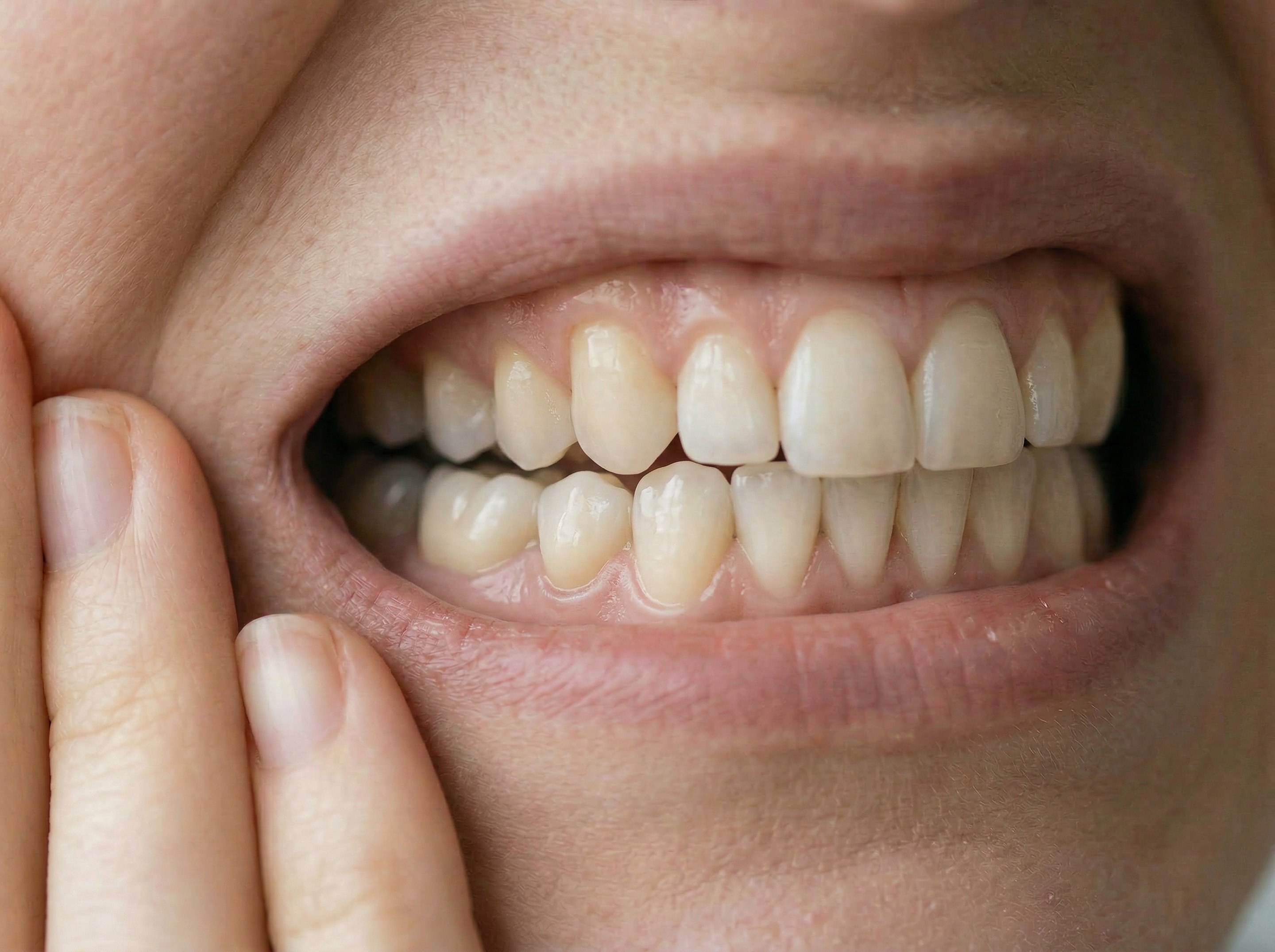
The temporomandibular joint connects the lower jaw to the skull. Muscles, ligaments and articular discs control its complex movements. Disorders of this system are often referred to as craniomandibular dysfunction.
CMD can cause tension, clicking or restricted movement. Not every functional disorder immediately causes severe symptoms. Initially, there may merely be an unfamiliar pulling sensation in the jaw.
An altered bite can also feel unfamiliar. Individual teeth may be placed under greater strain as a result. However, the exact relationship must be assessed individually.

Dental causes without significant toothache
A pulling sensation does not necessarily originate directly in the temporomandibular joint. Inflammation at the tooth roots can initially cause mild symptoms. Hidden caries or fine cracks also sometimes remain unnoticed for a long time.
Erupting wisdom teeth can create pressure at the back of the jaw. The surrounding gum may also be irritated or swollen. An examination shows whether there is sufficient space.
After fillings or crowns, the bite may feel altered. A contact that is too high places greater strain on the affected tooth. This can occasionally cause tension without any clear toothache.
Can the sinuses affect the jaw?
The roots of the upper back teeth lie close to the maxillary sinuses. Swollen mucous membranes can therefore cause pressure in the upper jaw. This sensation often occurs with a runny or blocked nose.
It is typically more noticeable when bending over. Several upper teeth are often affected at the same time. Nevertheless, individual dental diseases must be ruled out.

What role do the neck and posture play?
The chewing muscles, neck and shoulders work closely together functionally. Poor posture can increase tension throughout the entire region. Sitting in front of screens for long periods encourages this type of strain.
A forward-tilted head also changes how the muscles work. As a result, the pulling sensation can radiate from the neck to the jaw. Movement breaks and an adjusted sitting position can provide relief.

Monitoring accompanying symptoms correctly
Pay attention to clicking, grinding or restrictions when opening your mouth. Swelling, loose teeth or altered biting contacts are also important. Ear pressure and headaches can occur together too.
Note the timing, duration and possible triggers. Look for links to stress, sleep or certain foods. This information makes the subsequent diagnosis easier.
When is an examination advisable?
If the pulling sensation persists for several days, the cause should be checked. This is particularly important if the symptoms recur or get worse. An early examination can prevent more severe strain.
Urgent dental help is needed for marked swelling or fever. Where spreading infection is suspected, difficulty swallowing or breathing requires immediate emergency assessment via 112. Severe difficulty opening the mouth also requires immediate emergency assessment, while a milder limitation requires prompt dental assessment. These signs can indicate progressing inflammation.
Sudden facial paralysis or speech problems are not typical dental problems. In this case, the emergency services must be called immediately on 112. Such symptoms can indicate a medical emergency.

How is a dental diagnosis made?
First, the course of the symptoms, stresses and previous treatments are discussed. The dentist then examines the teeth, gums and temporomandibular joints. The chewing muscles are also gently palpated.
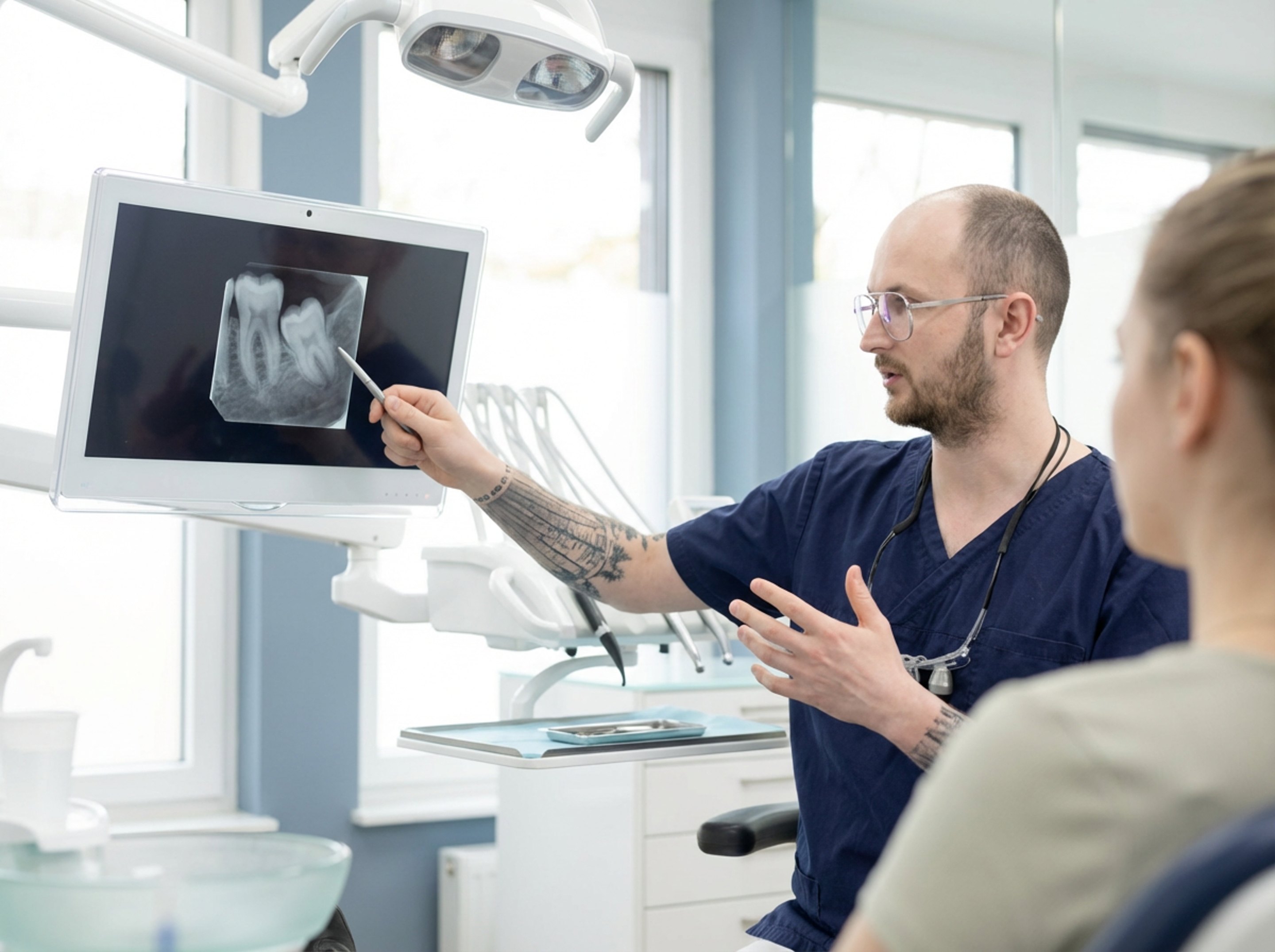
Bite tests reveal particularly heavy or altered contacts. Cold and percussion tests examine individual teeth more closely. If necessary, X-rays supplement the examination.
Mouth opening and lateral jaw movements are also assessed. Noises or deviations provide further clues. Other specialists can be involved if the findings are complex.
What treatment can help?
Treatment always depends on the identified cause. Overloaded muscles often need relief and conscious breaks. Hard foods should be reduced temporarily.
For bruxism, an individually fitted occlusal splint may be useful. It protects the tooth surfaces from further signs of strain. Its use should be checked regularly by a dentist.
Newly developed high contacts on fillings can be carefully adjusted. Inflamed teeth require appropriate dental treatment. Where the cause is muscular, physiotherapy can provide additional support.

What can those affected do themselves?
Keep your upper and lower jaws relaxed and apart during the day. Your teeth should only make contact when you chew and swallow. The tip of your tongue can rest behind your upper incisors.
Heat or cold can temporarily soothe tense areas. Always use a protective cloth when doing so. If there is swelling, contact the practice treating you beforehand.
Avoid chewing gum frequently and very hard foods. Conscious clenching should also be interrupted regularly. Relaxation exercises can reduce stress-related tension.
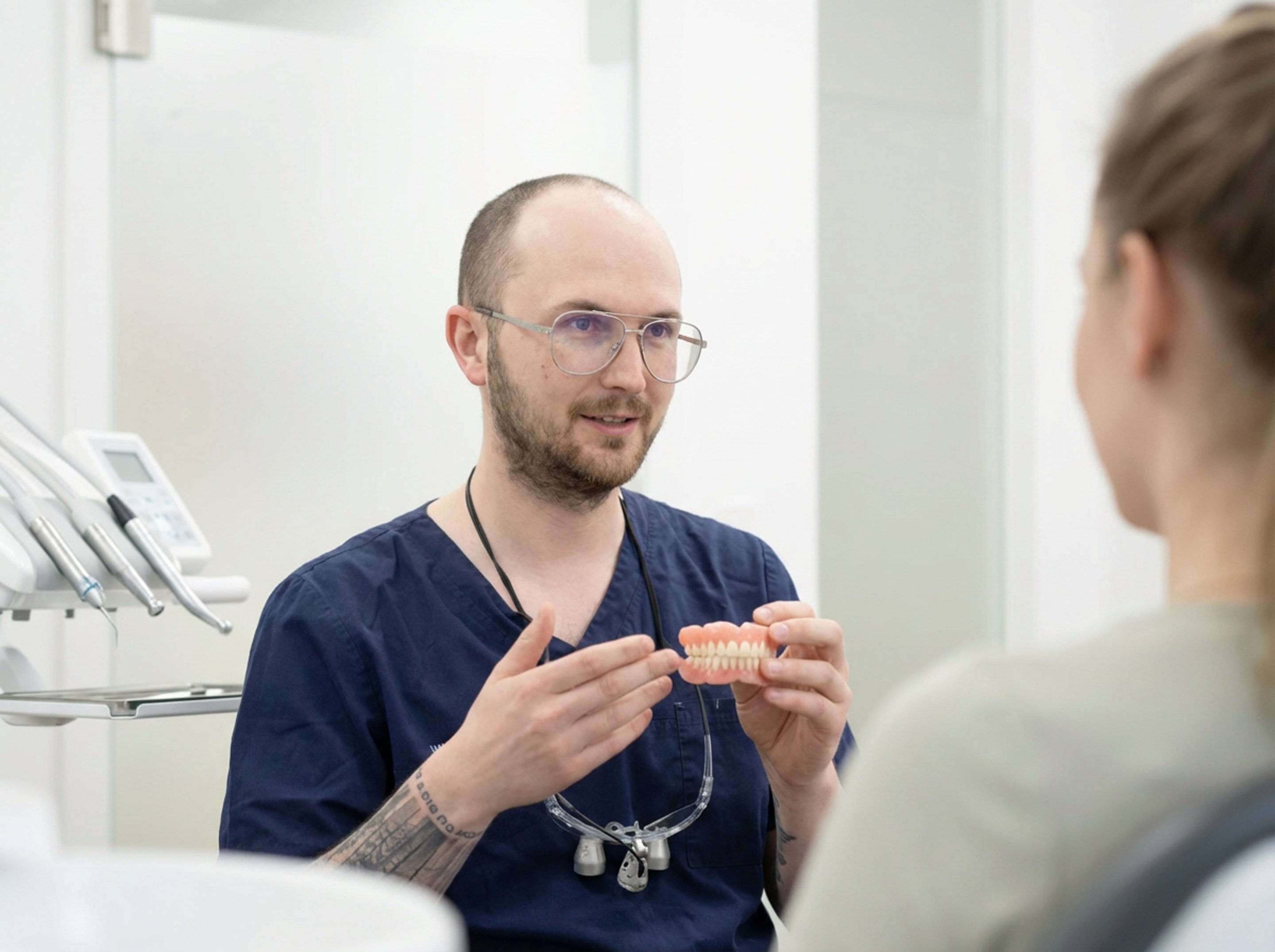
Conclusion on a pulling sensation in the jaw
A pulling sensation in the jaw without recognisable pain has various causes. Muscle tension, bruxism or functional disorders are often involved. Dental problems and the sinuses can also cause similar sensations.
An examination provides clarity and prevents unnecessary persistent strain. Prompt assessment is particularly important if there are warning signs. Wunschlachen carefully examines the teeth, bite and jaw function.