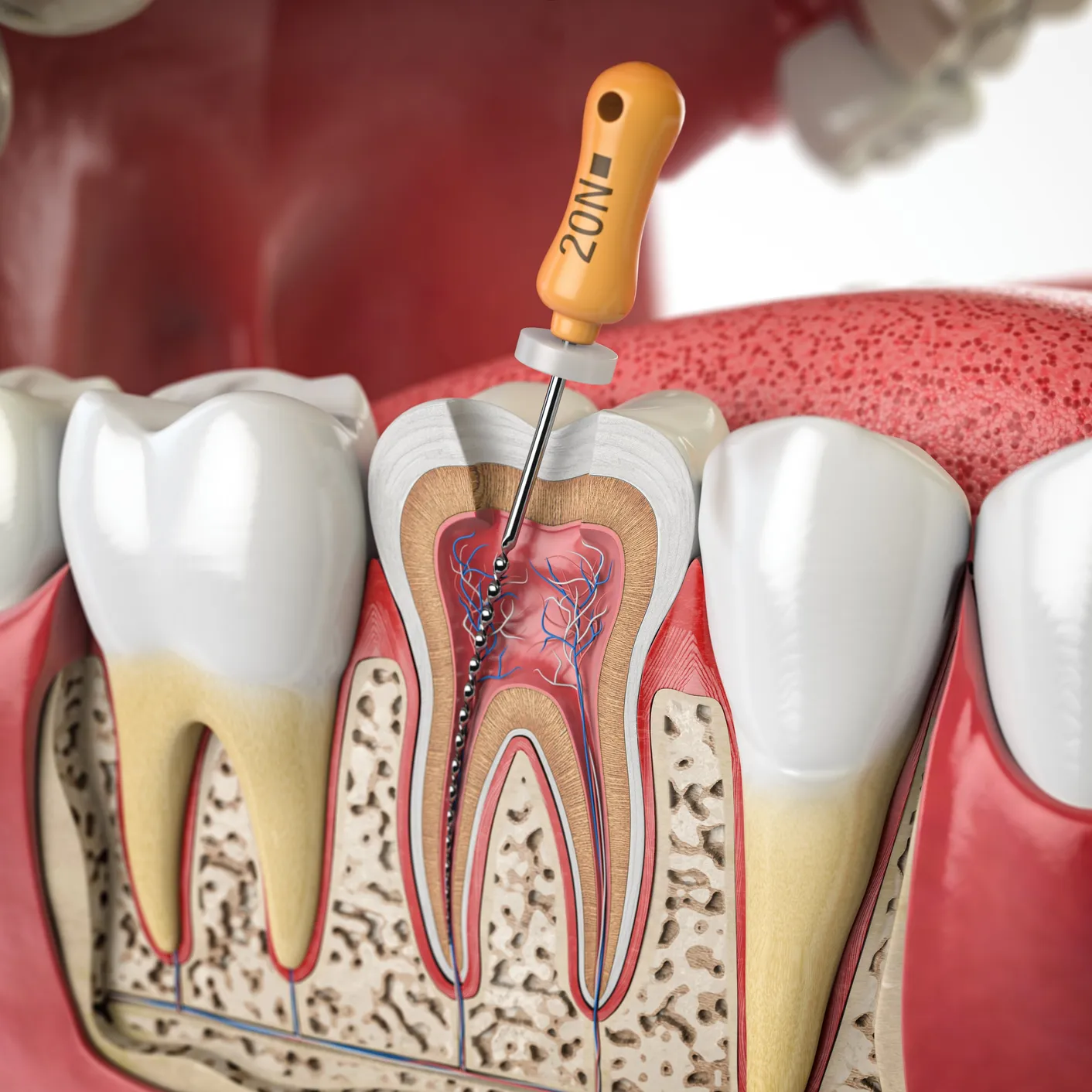
Root canal retreatment at Wunschlachen
Despite modern technology and careful treatment, root canal treatment may not always bring the desired long-term success. Inflammation can recur, bacteria can enter the root canal, or the original treatment may have been incomplete. In...
Über 350 Google-Bewertungen
The short answer
Root canal retreatment involves treating a tooth that has already had a root filling again when inflammation recurs or bacteria remain. Causes include canals that were not cleaned and shaped, leaking fillings, new tooth decay or fractures, sometimes only years later. Under anaesthesia, the old filling is removed and the canals are cleaned and shaped again, rinsed and disinfected. The aim is to preserve the tooth.
- Key point
- Repeat root canal treatment to remove remaining or newly introduced germs and preserve the tooth.
- Typical causes
- Canals that were not completely cleaned and shaped, leaking fillings, new tooth decay or cracks in the tooth, sometimes only years after the initial treatment.
- Costs
- Depends on the complexity and number of canals; as a demanding procedure, it may be classed as an additional service, with details set out in the individual cost plan before treatment begins.
Does not replace individual dental advice; a definitive cost estimate is provided before treatment begins.
When is root canal retreatment necessary?
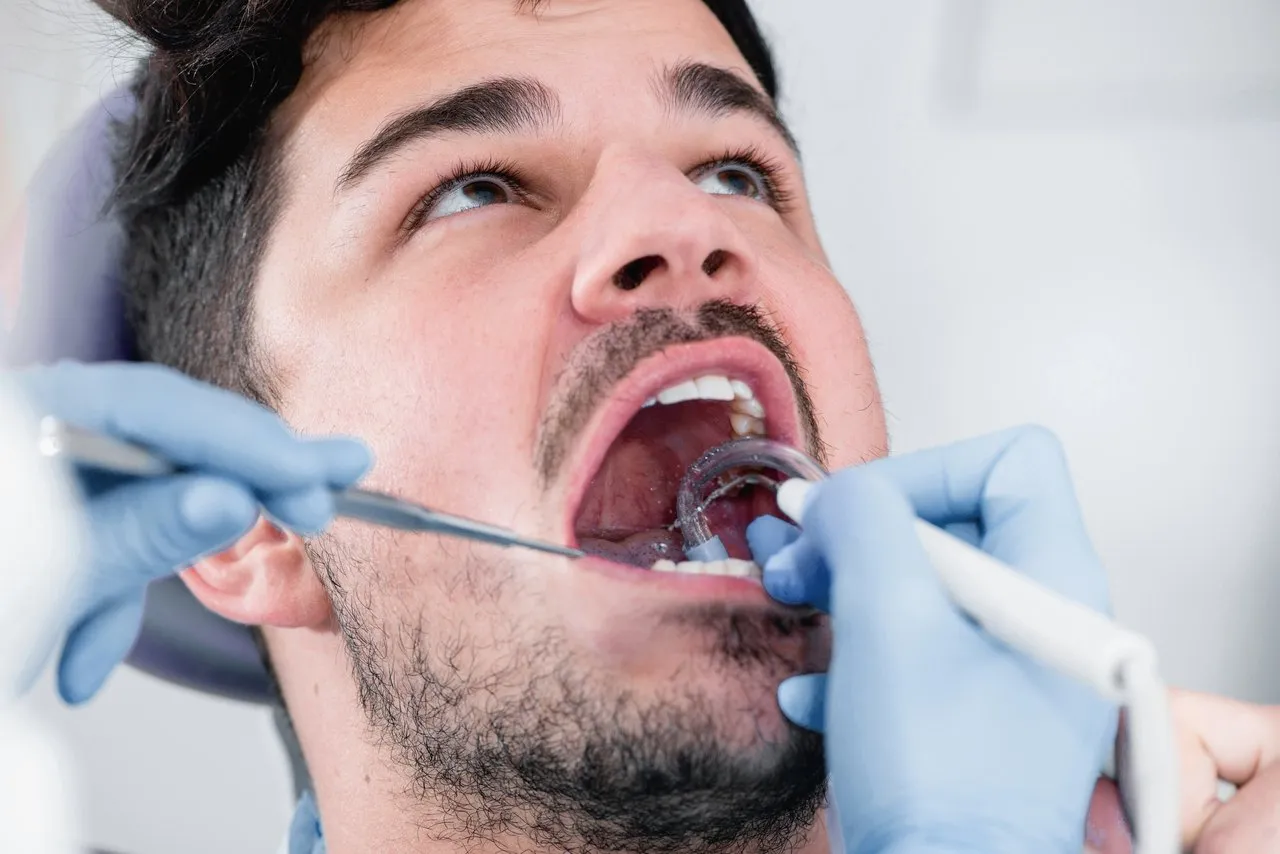
Root canal treatment is used to remove inflamed or dead tissue from inside the tooth and seal the tooth. However, if this process is incomplete or complications arise, the inflammation can recur. This can even happen years after the initial treatment. Typical causes of renewed inflammation include untreated canals, leaky fillings, new tooth decay or fractures in the tooth.
In such cases, root canal retreatment is the next sensible step if the assessment of the cause, any fracture pattern, the tooth's restorability and its prognosis is favourable. The aim is to completely remove any remaining or newly introduced bacteria.
The root canal retreatment procedure
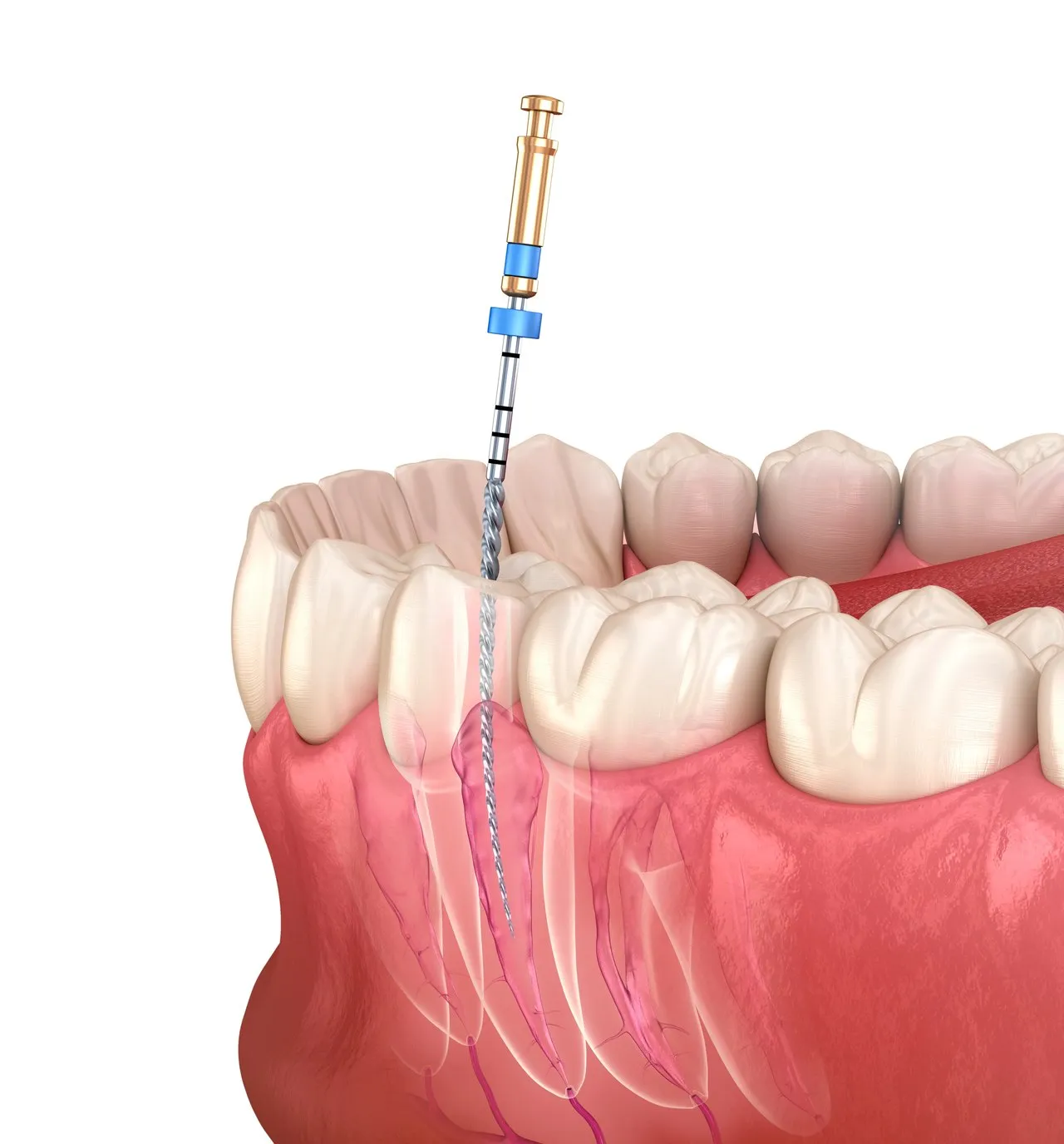
Root canal retreatment generally follows the same principles as regular root canal treatment, with a few additional steps. The procedure is highly precise and tailored to the individual situation.
First, the old root canal filling is removed under local anaesthetic. Using special instruments, such as nickel-titanium files or ultrasonic tips, the root canals are prepared again. Thorough irrigation with antibacterial solutions helps to remove bacteria from even the finest branches. Modern microscope technology and digital imaging are used to identify even hidden canals.
After thorough cleaning, the root canals are disinfected again and sealed to prevent bacteria from entering. Depending on the inflammation, an antibacterial medication may be inserted between appointments.
The affected tooth then receives a new, well-sealed restoration, often in the form of a filling or crown. This can ensure long-term stability.
Modern instruments and technology at Wunschlachen
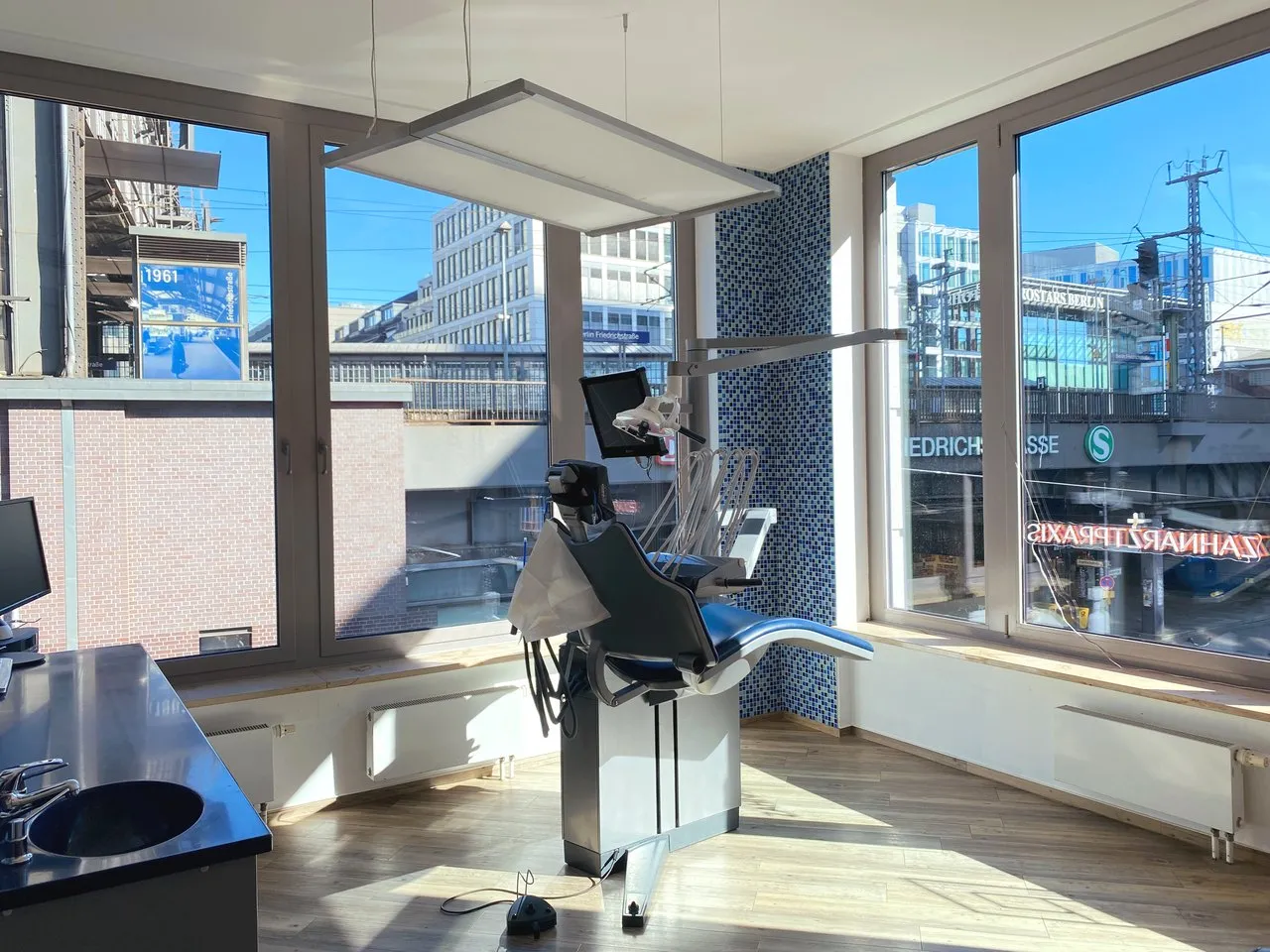
The success of root canal retreatment depends largely on the technique used. In our practice, we use modern instruments, digital radiography and electrometric length measurement to ensure the best possible view of the treatment area. This technology not only improves treatment comfort, but also significantly improves the prognosis for preserving the tooth.
We will explain the details of the root canal treatment procedure and the instruments used during a personal consultation.

Will health insurance cover root canal retreatment?
Whether the costs of root canal retreatment are covered by statutory health insurance varies from case to case. As a rule, the health insurance fund will only contribute if the tooth is considered worth preserving. If modern procedures such as an operating microscope or special instruments are used, part of the treatment may be classed as a private service.
We advise every patient transparently about the costs. Together, we will check whether and to what extent your health insurance fund will cover root canal retreatment. On request, we can also provide a written treatment and cost plan for submission to your insurer.
How much does root canal retreatment cost?
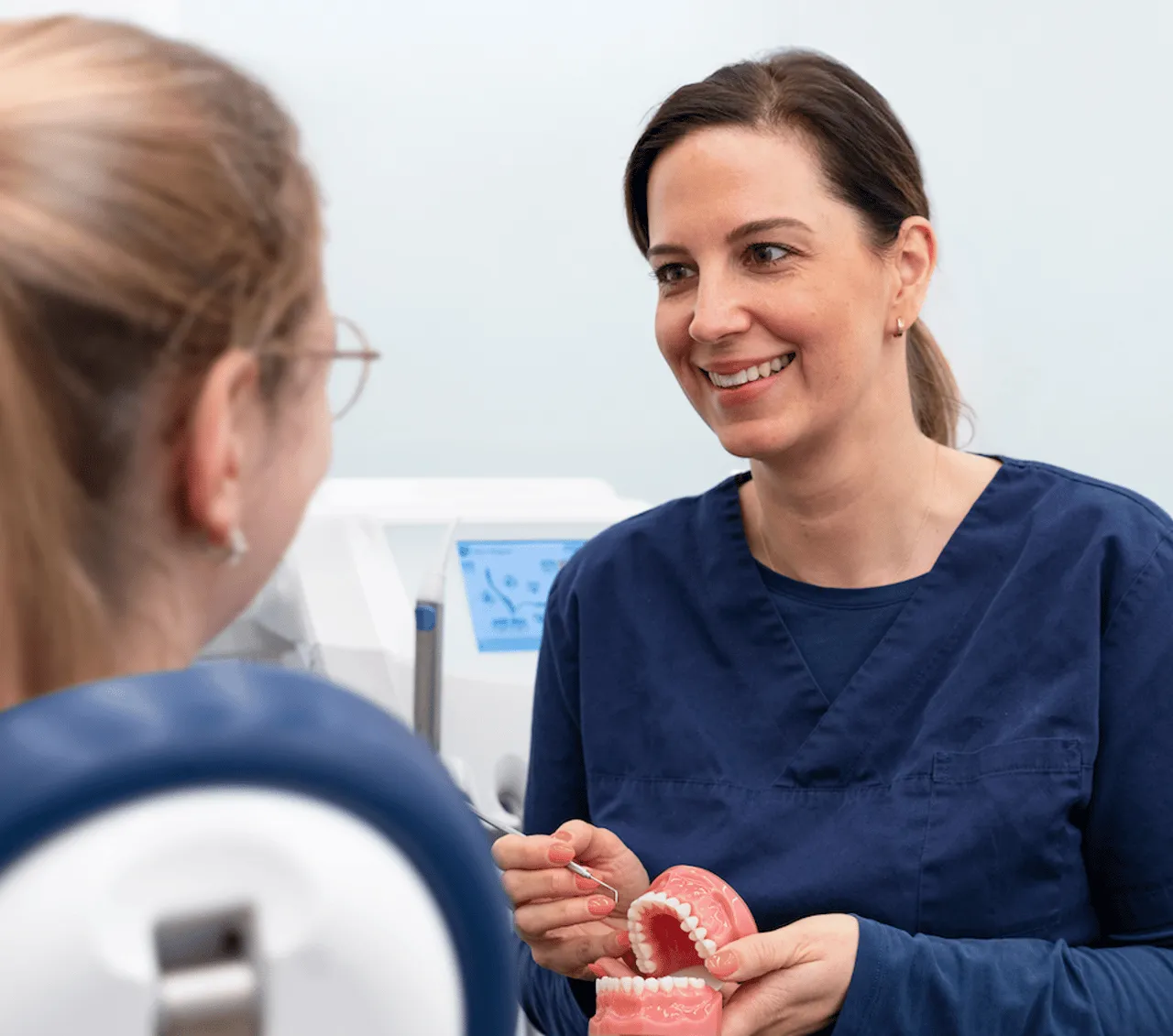
The cost of root canal retreatment depends on numerous factors, such as the extent of the inflammation, the number of root canals, the degree of difficulty and the instruments required. It is not possible to give a general estimate.
For patients with statutory health insurance, the out-of-pocket cost is typically between €100 and €600. Depending on their policy, privately insured patients receive full or partial reimbursement.
We discuss the costs of root canal treatment in detail with every patient before treatment begins. In most cases, the investment is worthwhile. In the long term, preserving the natural tooth is always the better alternative to replacing it when the tooth is suitable for preservation; non-restorable teeth require a different approach.
Conclusion: Retreatment is often the natural tooth’s last chance
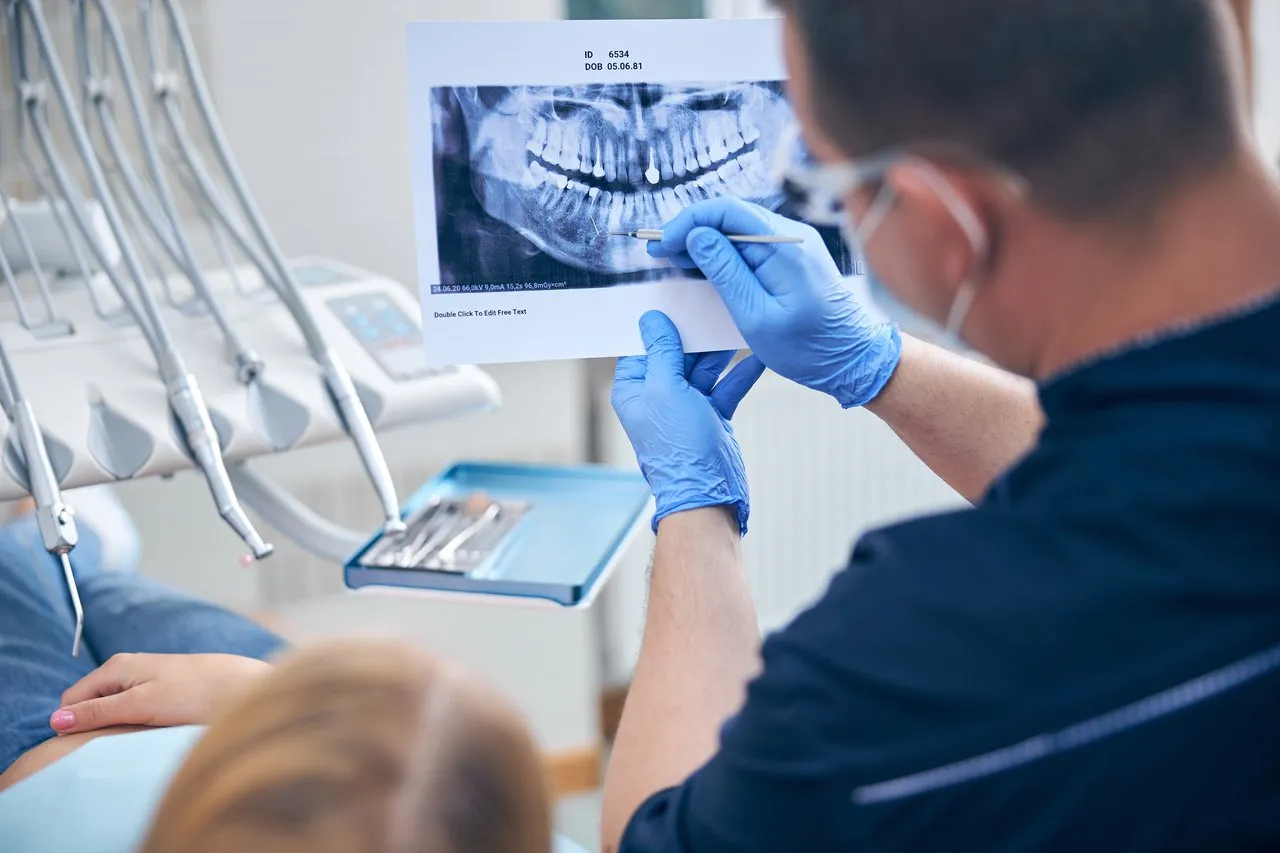
A tooth that has already undergone root canal treatment does not necessarily have to be extracted if symptoms recur. Root canal retreatment offers a realistic opportunity to preserve the tooth permanently, provided that treatment is carried out with care, expertise and modern technology. At our Wunschlachen practice in Berlin, we use a treatment concept tailored to each patient's needs and options.
If you experience pain in a tooth that has already been treated or have concerns about your old root filling, make an appointment with us. We will provide you with detailed and comprehensive advice about your options. When deciding for or against retreatment, we will support you with medical expertise and compassion.
Frequently asked questions (FAQs) about root canal retreatment
When a tooth that has already been treated causes symptoms again or becomes inflamed. Retreatment is then often the last attempt to preserve the tooth.
The treatment is carried out under local anaesthetic and generally causes little pain. Only mild discomfort usually occurs after treatment as well.
Two to three appointments are usually necessary. This depends on the severity of the inflammation and the anatomy of the tooth.
Special files, ultrasonic devices, irrigating solutions and, if required, a dental microscope are used.
If the inflammation cannot be stopped, the last options are root-end surgery or removal of the tooth.
As with any treatment, complications can occur in rare cases, e.g. root canal fractures, perforations or persistent infections.
Statutory health insurance only covers the costs in certain cases. Additional services often have to be paid for by the patient. We will provide detailed advice at our practice.
Depending on the complexity and type of tooth, out-of-pocket costs can be between 100 and 600 euros. For privately insured patients, reimbursement depends on the policy. Book a consultation now.
Following successful retreatment, a tooth can be preserved for many years, sometimes for life. The outcome is comparable to that of initial treatment.
Yes, if the tooth does have to be removed later, options such as implants or bridges are available.