Salivary gland inflammation: causes, symptoms and treatment
Inflammation of a salivary gland can be very unpleasant and requires early diagnosis and targeted treatment. At our Wunschlachen dental practice in Berlin, we explain how to recognise this type of inflammation, what you can do and how treatment works.
Über 350 Google-Bewertungen
The short answer
Salivary gland inflammation (sialadenitis) is often caused by bacterial or viral infections, salivary gland stones or reduced saliva flow. Typical signs include sudden swelling on one side, pain when chewing or swallowing, redness and sometimes pus. Drinking plenty of fluids, warm compresses and gentle massage of the gland can provide relief. A fever, pus or rapidly worsening or severe swelling requires prompt medical assessment. If there is no improvement after one to two days, you should also seek medical assessment. Difficulty breathing or swallowing requires emergency medical help; in Berlin, call 112.
- Typical causes
- Bacterial infections (often staphylococci), viruses such as the mumps virus, salivary gland stones, reduced saliva flow, poor oral hygiene, autoimmune diseases such as Sjögren’s syndrome.
- Warning signs
- Severe swelling, fever, pus in the duct, recurrent inflammation or no improvement after 1–2 days.
- When to see a doctor
- If you have a fever, purulent discharge or severe pain, see a dentist or ENT specialist promptly; early treatment helps prevent complications.
This does not replace individual dental or medical advice.

What is salivary gland inflammation?
Inflammation of the salivary glands (medical term: sialadenitis) is inflammation of one or more salivary glands. The parotid glands (parotis) or submandibular glands (submandibularis) are particularly commonly affected. In many cases, salivary gland inflammation occurs under the tongue, leading to swelling and pain in the floor of the mouth.

Inflamed salivary gland: causes
The causes of inflammation of the salivary glands are varied:
• Bacterial infections, often caused by staphylococci
• Viral infections, e.g. mumps
• Blocked saliva flow due to salivary stones (sialoliths)
• Poor oral hygiene
• Reduced salivary flow due to dehydration or certain medications
• Autoimmune diseases, such as Sjögren’s syndrome
Inflammation occurs particularly frequently when the flow of saliva is blocked. The salivary gland can then become inflamed and suppurate. If you experience symptoms, have the affected area examined urgently.

Symptoms of an inflamed salivary gland
Symptoms of salivary gland inflammation usually occur on one side and suddenly. Typical signs include:
• Swelling in the area of the affected salivary gland (e.g. under the tongue or at the angle of the jaw)
• Pain when chewing or swallowing
• Redness and increased warmth of the skin over the gland
• Bad breath
• Pus in the excretory duct (visible when pressure is applied to the gland)
• Fever and a general feeling of illness in severe cases
If you notice unusual swelling in the mouth or jaw area, do not hesitate to seek medical advice.

What should you do about an inflamed salivary gland?
Many patients ask themselves: ‘Salivary gland inflammation – what can I do?’ The answer depends on the severity of the inflammation.
Initial measures:
• Drink plenty of fluids to stimulate saliva flow
• Mild mouthwashes, e.g. with chamomile or sage
• Massage the affected gland towards the excretory duct
• Warm compresses on the swollen area
These home remedies often help to increase saliva flow and relieve the gland. However, be careful: if you have a fever, purulent discharge or severe pain, do not hesitate to seek dental help.

Salivary gland inflammation: treatment at the dentist
Professional treatment for salivary gland inflammation depends on the cause:
• A suitable antibiotic is usually prescribed for a bacterial infection.
• Salivary stones can be removed, for example, by careful massage or minimally invasive procedures.
• Surgery may be necessary for chronic or recurrent inflammation.
At our Wunschlachen practice, we determine the exact cause and initiate individualised treatment. The aim is to relieve pain and restore normal salivary gland function. Contact us if you experience any symptoms.
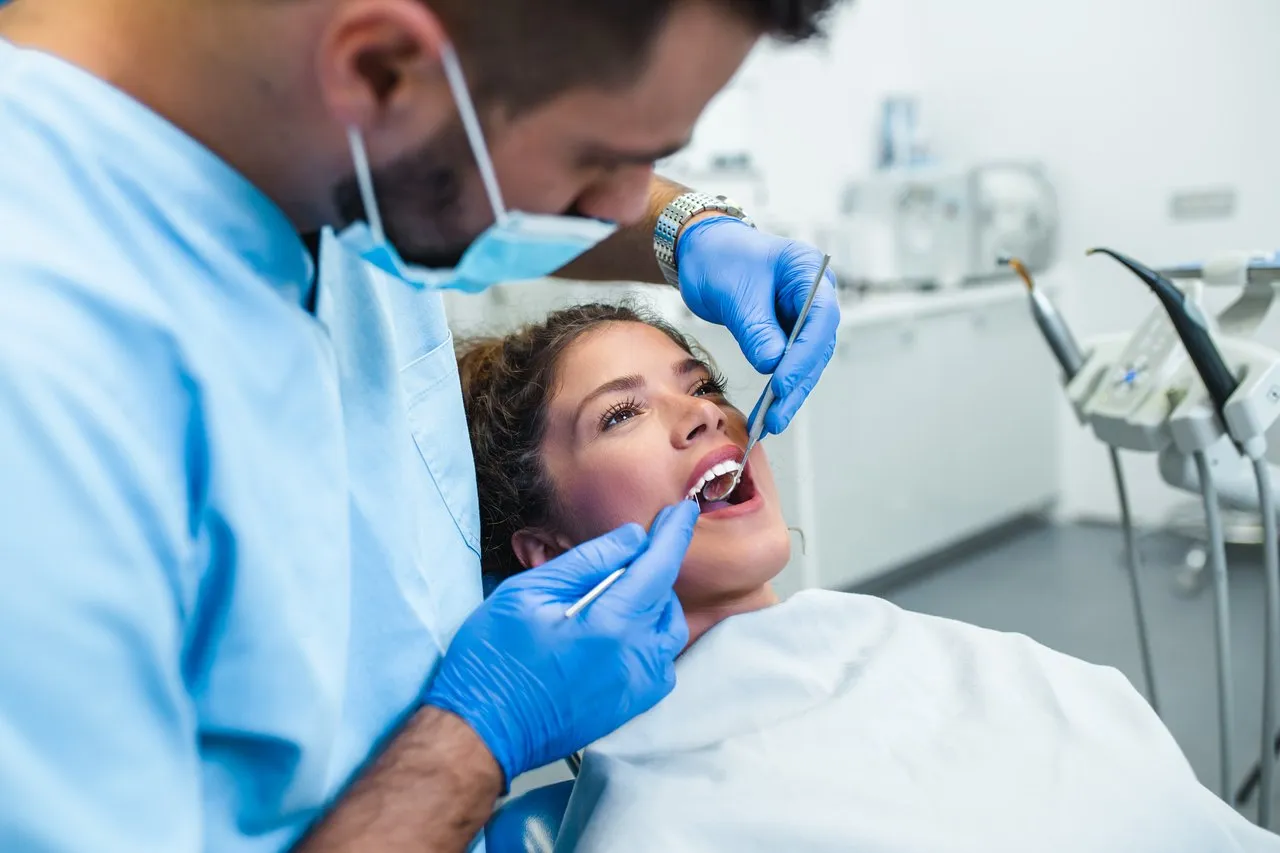
When should you seek treatment for salivary gland inflammation?
If you have a fever, pus or rapidly worsening or severe swelling, you should seek prompt medical assessment. If your symptoms do not improve after 1–2 days despite home remedies, we recommend making an appointment with us, particularly if you have recurrent inflammation. Difficulty breathing or swallowing requires emergency medical help; in Berlin, call 112.
We offer comprehensive diagnostics and targeted, gentle treatment at our practice in Berlin.