Severe tooth decay – causes, symptoms and treatment
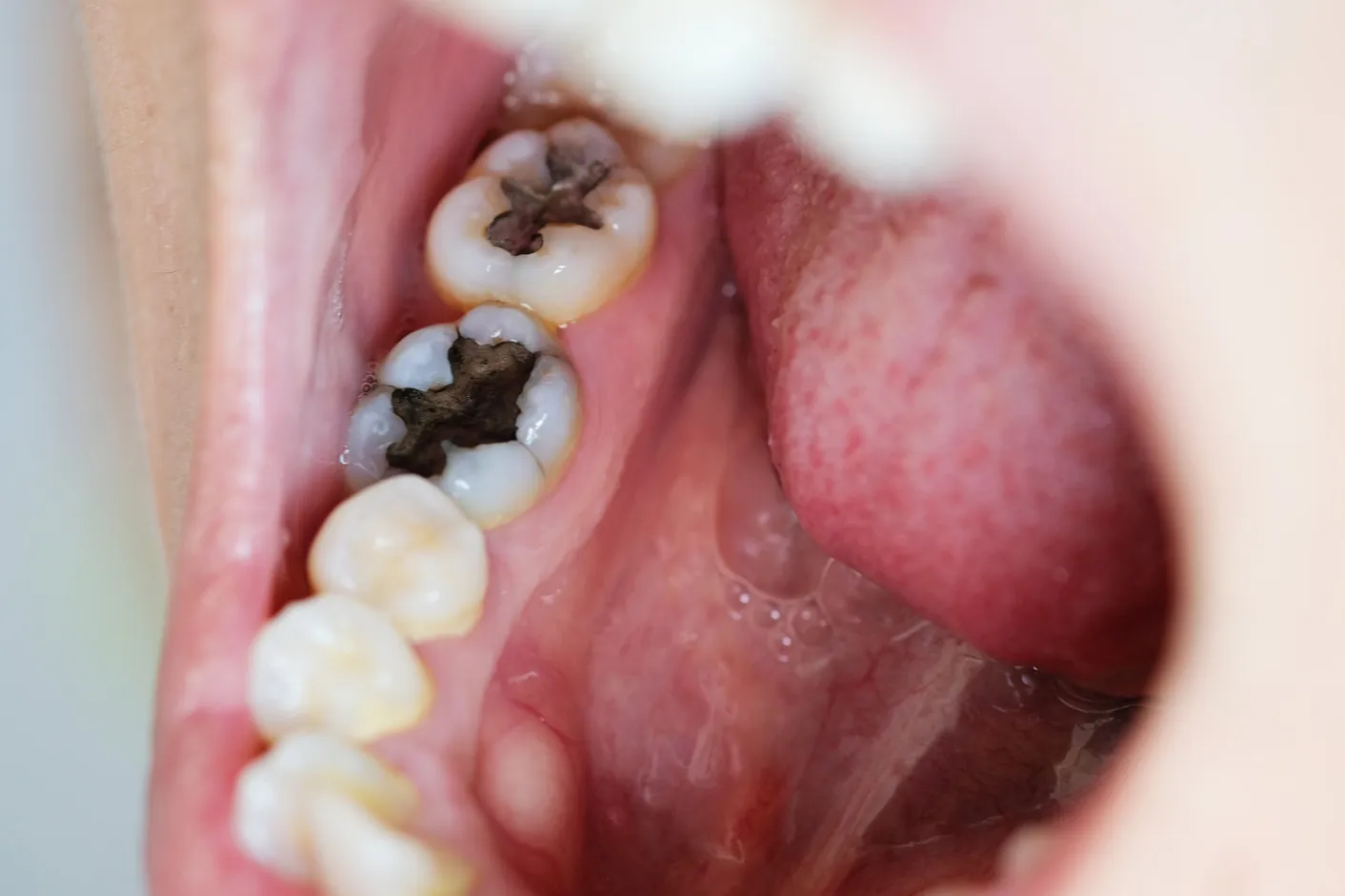
Severe tooth decay is an advanced form of dental disease that can lead to considerable damage to the teeth. It develops when tooth enamel is broken down by the effects of sugar and bacteria and the decay spreads into deeper layers of the tooth. If tooth decay is left untreated, it can...
Über 350 Google-Bewertungen
The short answer
Severe tooth decay is an advanced dental disease in which acids from bacterial plaque destroy the enamel and can reach deeper layers, including the dental nerve. Typical signs include pain, sensitivity, dark discolouration and visible holes. Tooth decay does not heal by itself: depending on its depth, a filling, root canal treatment, a crown or – if the tooth cannot be saved – a tooth replacement may help.
- Warning signs
- Sharp or persistent toothache, sensitivity to sweet, hot or cold foods and drinks, brown-black spots, visible holes, bad breath.
- Treatment
- A filling if the root is intact; root canal treatment or vital pulp treatment if the nerve is infected, depending on the diagnosis and whether the tooth can be restored; a crown for extensive damage; or an implant or bridge if the tooth is lost.
- When to see a dentist
- As soon as the first symptoms appear; abscesses with pus and swelling are emergencies. Statutory health insurance generally covers qualifying standard treatment, while optional private services may involve additional costs.
This does not replace individual advice from a dentist; a binding cost estimate is provided before treatment begins.
Causes of severe tooth decay
The main cause of tooth decay is inadequate oral hygiene, which leads to the formation of dental plaque. This plaque contains bacteria that convert sugar into acids, which attack tooth enamel. Other risk factors include: • Frequent consumption of sugary foods and drinks • Inadequate dental care • Genetic predisposition • Dry mouth (reduced saliva production) • Certain medicines and health conditions that attack tooth enamel Severe tooth decay can also be aggravated by a poor diet. Frequently consuming sugary foods or drinks while neglecting oral hygiene significantly increases the risk of tooth decay. Smoking and excessive alcohol consumption also contribute to damage to tooth enamel and encourage the growth of cariogenic bacteria.

Diagnosing severe tooth decay
A reliable diagnosis is made through a clinical examination. Bitewing X-rays, laser fluorescence and dye tests can also help. Cold spray and percussion tests check the vitality of the tooth. This allows the depth of the defect to be assessed more accurately. Early detection enables minimally invasive procedures. This means more healthy tooth tissue can be preserved.

Symptoms of severe tooth decay
Severe tooth decay becomes noticeable at various stages. The most common symptoms include: • Toothache: Mild at first, later sharp and persistent, particularly with sweet, hot or cold foods and drinks. • Sensitivity: The tooth reacts to temperature changes and pressure. • Discolouration: Black or brown spots on the affected teeth. • Holes in the tooth: Visible cavities or holes in the tooth that can be seen with the naked eye. • Bad breath or an unpleasant taste: This may be a sign of infection or deep tooth decay. Sometimes the pain is so severe that it significantly interferes with everyday life. In advanced cases, abscesses can even develop, accompanied by pus formation and severe swelling.
Treatment of severe tooth decay
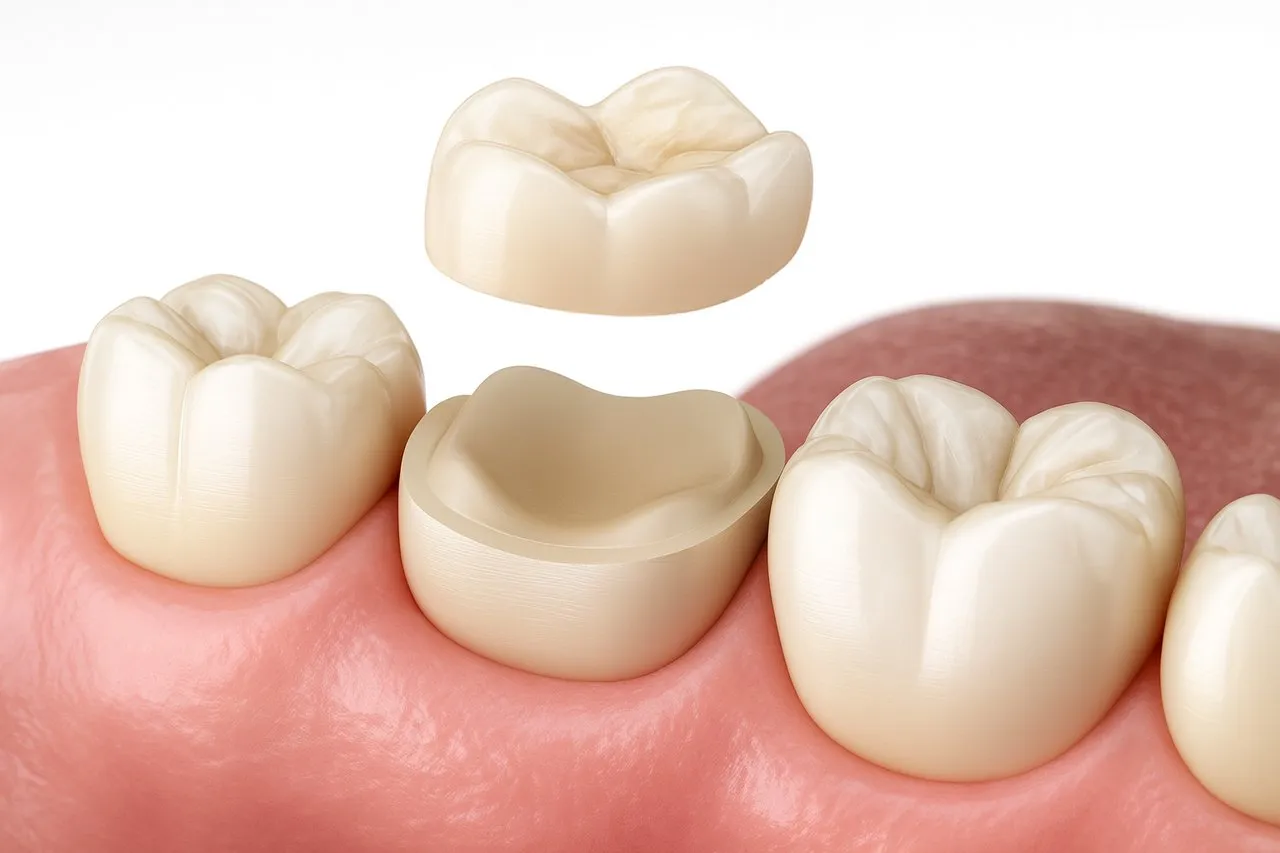
Treatment depends on the severity of the tooth decay. Common treatment options include: Fillings: If the tooth decay affects the enamel but the tooth root is still intact, the tooth is cleaned and a filling is placed. Root canal treatment: If the tooth decay has reached the dental pulp, root canal treatment may be required, depending on the diagnosis and whether the tooth can be restored. Vital pulp treatment may be an option in selected cases. For root canal treatment, the infected tissue is removed, and the root canal is cleaned and sealed. Dental crown: For severely damaged teeth that can no longer be stabilised with a filling, a crown is fitted to protect the tooth and preserve its function. Tooth replacement: In cases where the tooth is so badly destroyed that it cannot be saved, it must be removed. An implant or bridge is then fitted to replace the missing tooth. The choice of treatment depends on the severity of the tooth decay and the position of the affected tooth. In some cases, a combination of different treatments is required to achieve the best possible result.

Acute pain and emergency measures
Temporary restorations and medicated dressings can help with acute pain. Antibiotics are not automatically needed for an abscess or isolated tooth pain; local definitive dental care is central. Systemic signs or spreading infection require prompt assessment, with antibiotics when clinically indicated. Cooling the area from the outside and eating soft foods can ease the strain on the tooth. Avoid sugary foods and very hot drinks.
Aftercare and long-term protection
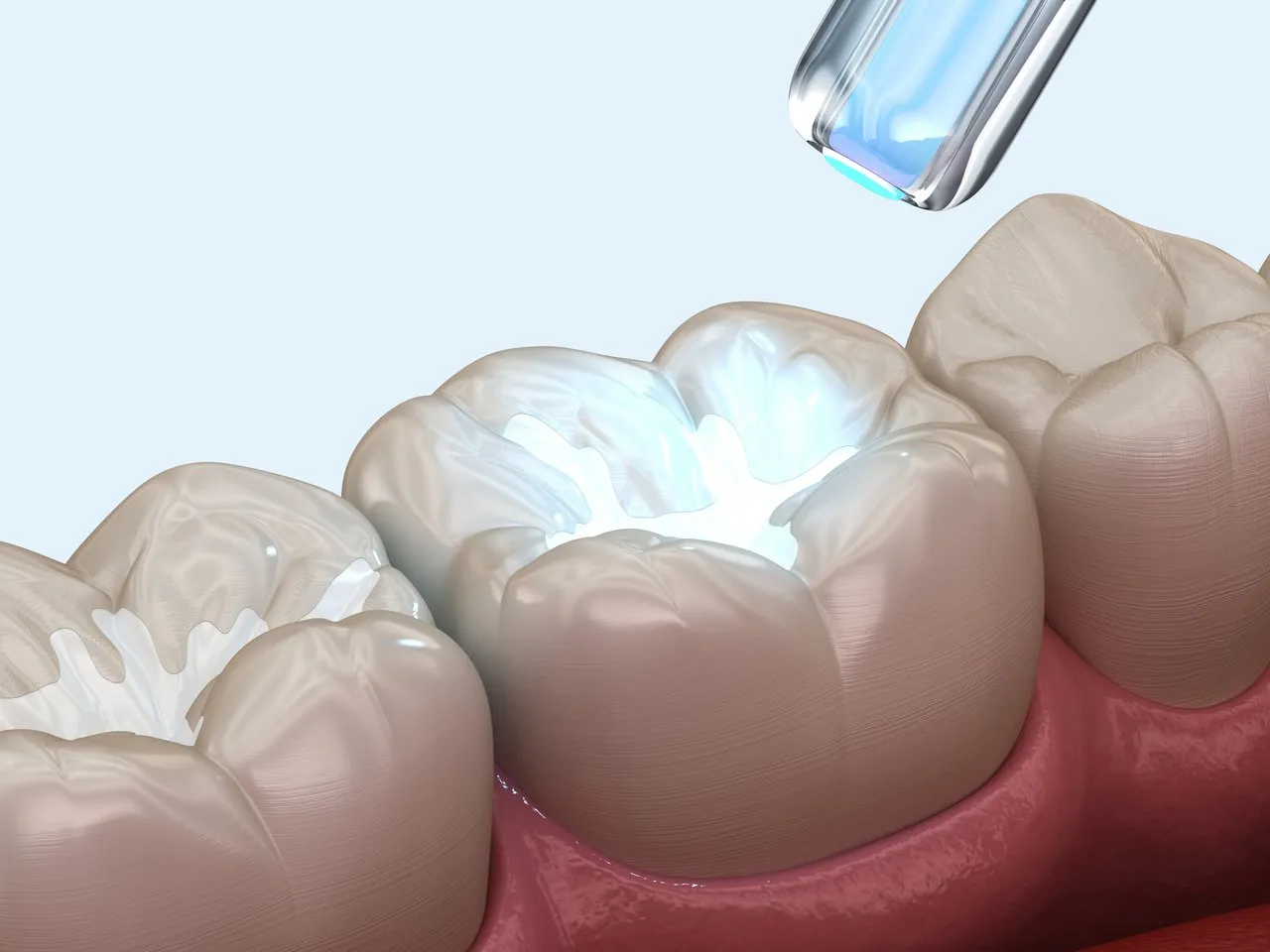
After treatment, fluoride varnishes and highly concentrated gels stabilise tooth enamel. Fissure sealants can protect grooves that are susceptible to tooth decay. Interdental brushes and dental floss reduce the risk of new defects. Check-ups every six months ensure the success of treatment.

Special situations
The risk of tooth decay increases significantly with a dry mouth. Sugar-free chewing gum and saliva substitutes can help. Gentle treatments are possible during pregnancy. The second trimester is often the most suitable. In children, early sealant treatment and dietary guidance are key. This helps prevent deep defects in milk and permanent teeth.

Preventing tooth decay
The best treatment for tooth decay is prevention. To reduce the risk of tooth decay, the following measures should be taken: Regular brushing: At least twice a day with fluoride toothpaste. Use dental floss: Remove plaque from between the teeth, where the toothbrush cannot reach. Dietary changes: Avoid sugary snacks and drinks that increase the risk of tooth decay. Regular dental visits: At least twice a year for check-ups and professional teeth cleaning. Consistent dental care and avoiding cariogenic foods can help keep teeth healthy permanently. Fluoride also protects tooth enamel and promotes the remineralisation of early-stage tooth decay.
FAQs about severe tooth decay
Tooth decay is caused by bacteria that convert sugar into acids, which attack tooth enamel.
Untreated tooth decay can destroy the tooth, infect the dental nerve and lead to tooth loss.
Through regular brushing, using dental floss, a healthy diet and regular dental visits.
If tooth decay has reached the dental nerve and the nerve is infected, root canal treatment or vital pulp treatment may be necessary, depending on the diagnosis and whether the tooth can be restored.
Pain, sensitivity, discolouration, visible holes and bad breath. See a dentist promptly if you notice these symptoms.
No, tooth decay does not heal on its own. It requires dental treatment.
A dental filling can last between 5 and 15 years, depending on the material and care.
If the tooth is too badly damaged or the jawbone does not provide sufficient support, it must be removed.
There are various materials, such as composite or ceramic. The appropriate material is selected according to the clinical findings.
The costs vary depending on the type of treatment and material. Statutory health insurance generally covers medically necessary standard treatment in full, while private alternatives may incur additional costs. We are happy to prepare an individual cost plan for you.