Recognising and treating sleep apnoea – your dental practice in Berlin
Sleep is essential for our health. But what happens when the body cannot rest at night because pauses in breathing occur without the person noticing? So-called sleep apnoea often remains undetected, but leads to severe restrictions in everyday life.
At our Wunschlachen dental practice in Berlin...
Über 350 Google-Bewertungen
An anti-snoring splint as an alternative?
In obstructive sleep apnoea, breathing stops repeatedly at night, often accompanied by loud snoring and daytime tiredness. Besides the CPAP mask, a mandibular advancement splint fitted by a dentist may help in suitable cases: it holds the lower jaw slightly forward, thereby keeping the airways more open. Diagnosis and the choice of therapy require assessment by a sleep medicine specialist and a dentist.
- Warning signs
- Loud snoring, observed pauses in breathing, pronounced daytime tiredness, morning headaches
- Dental option
- Individually fitted mandibular advancement splint – a possible alternative to CPAP therapy in suitable cases
- When to seek assessment
- If sleep apnoea is suspected, undergo a sleep medicine assessment; treatment is selected in consultation with a doctor
This information is no substitute for medical or dental advice. Diagnosing and treating sleep apnoea requires an individual assessment.
What is sleep apnoea and what are its symptoms?
The term refers to pauses in breathing during sleep. They can last several seconds or even minutes. These pauses mean that the body does not receive enough oxygen.
As a result, the person affected wakes up several times a night without realising it. This has a serious impact on their quality of life. The most common symptoms of sleep apnoea include severe daytime sleepiness, difficulty concentrating, headaches in the morning, irritability and reduced performance. Snoring at night can also be a warning sign of sleep apnoea.
The condition often remains undetected for a long time because the person affected does not notice the pauses in breathing at night. The cause is only identified through observations made by their partner or through secondary conditions such as high blood pressure, heart problems or depression.
Take the signs of sleep apnoea seriously
One of the first signs of sleep apnoea is usually loud, irregular snoring. However, not everyone who snores automatically suffers from pauses in breathing. The crucial difference is that the condition causes repeated pauses in breathing. This can be life-threatening.
If the brain regularly does not receive enough oxygen, the risk of strokes, heart attacks or diabetes increases. It is therefore important to take these signs seriously and consult a doctor or dentist at an early stage. Ideally, one with experience in sleep medicine.
Dental splints for sleep apnoea – an effective alternative to a CPAP machine
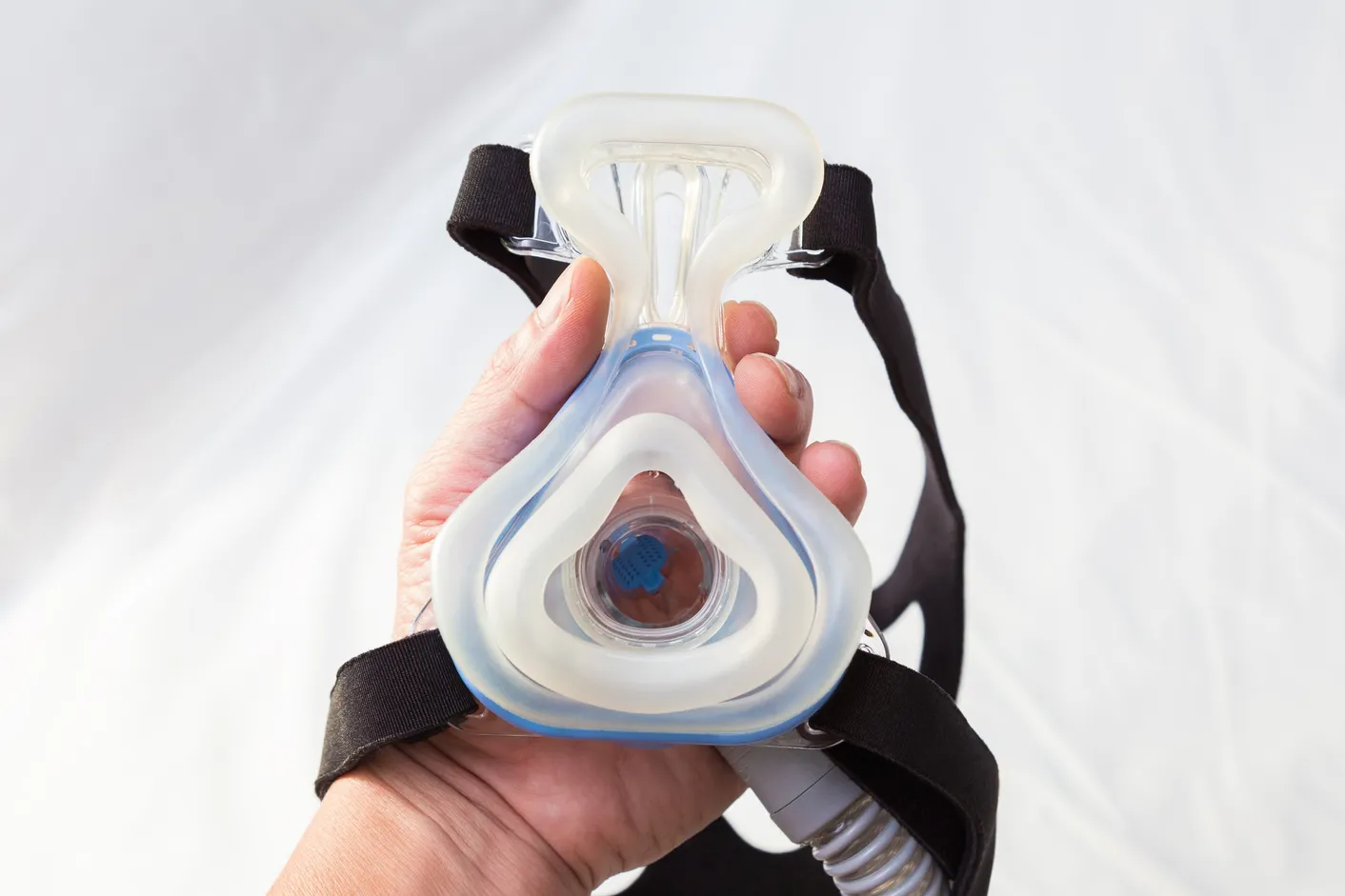
Many patients diagnosed with the condition are given a CPAP machine as their initial treatment. This is a breathing mask worn over the mouth or nose while sleeping. The mask generates a constant flow of air. This method is medically very effective, but many patients find it disruptive or uncomfortable.
This is where a sleep apnoea splint from the dentist comes in. This so-called mandibular advancement splint is a custom-made dental appliance that moves the lower jaw slightly forwards during sleep. This keeps the airways open and significantly reduces the risk of pauses in breathing.
Many patients report very positive experiences with sleep apnoea splints. Particular praise is given to their comfort, effectiveness and suitability for everyday use. The splint is discreet, individually adjustable and easy to use. Treatment should be selected in coordination with a sleep clinician, and its efficacy should be checked during follow-up. Symptoms alone do not establish severity or justify changing CPAP.
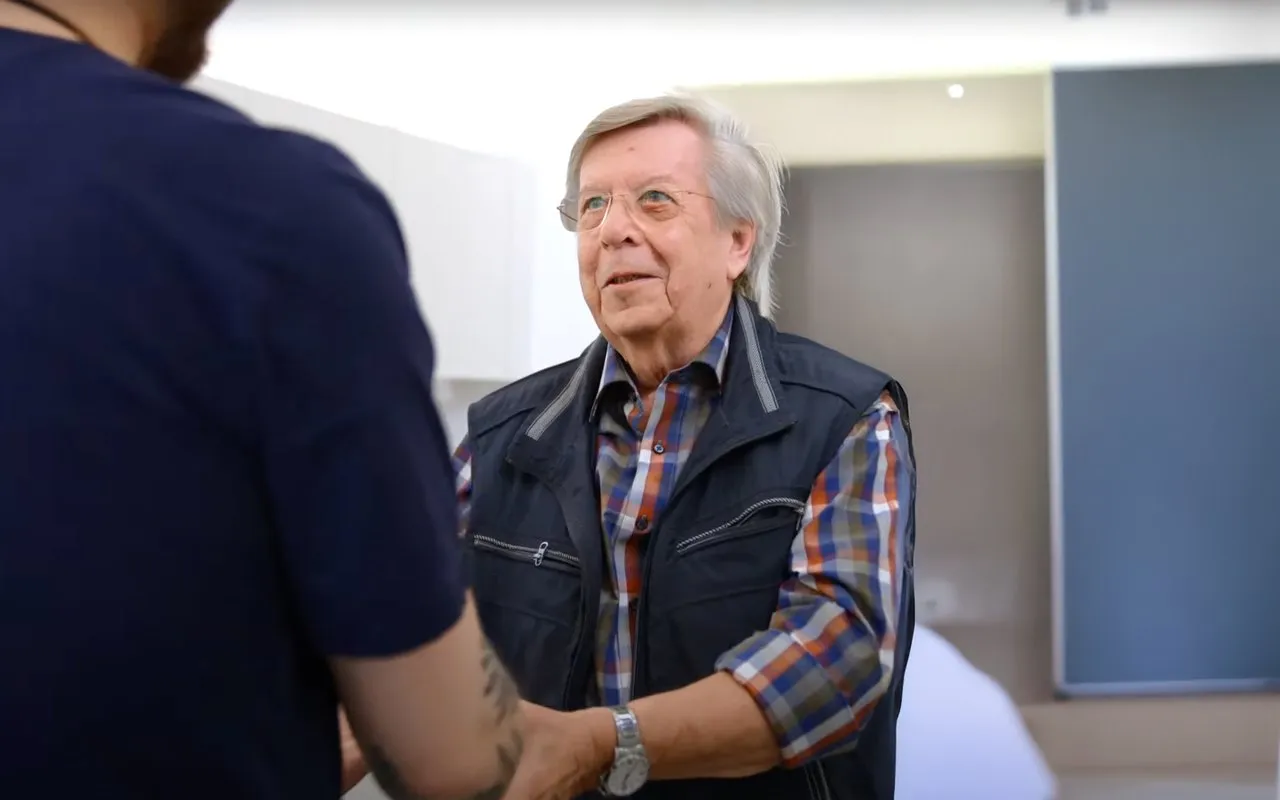
Treatment at the Wunschlachen dental practice
At our dental practice in Berlin, we offer you comprehensive advice and care on this subject. Following a thorough assessment of any pre-existing conditions and symptoms, we work with sleep medicine centres if necessary.
If a splint for diagnosed obstructive sleep apnoea is selected as a suitable treatment option in consultation with sleep medicine, we manufacture it in several stages. A digital impression ensures the optimum fit for comfortable wear. Sleep-medicine follow-up checks that the treatment is effective.
Many patients with moderate to mild symptoms report significantly improved sleep quality after switching to an anti-snoring splint for sleep apnoea as part of a clinically selected treatment plan. Night-time snoring associated with sleep apnoea also usually decreases significantly. Any change from CPAP should be made with the treating sleep clinician, followed by sleep-medicine checks of treatment efficacy.
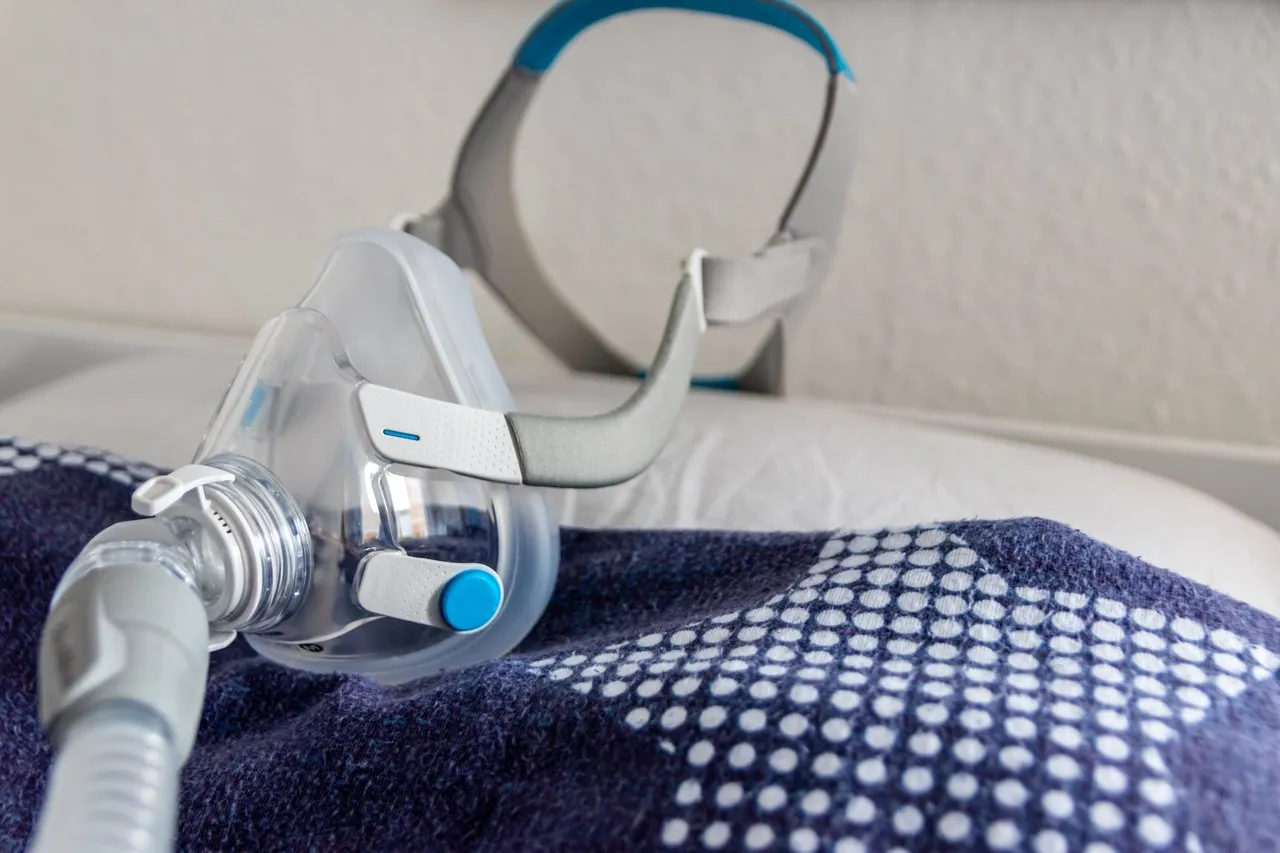
Sleep apnoea aids
In addition to dental splints, various other sleep apnoea aids are available, including positioning aids, CPAP machines and breathing therapy. The most suitable method depends on the severity of the condition. Dental splints have proven particularly effective for clinician-assessed mild to moderate obstructive sleep apnoea (OSA). However, suitability must be determined in coordination with a sleep clinician, and efficacy must be checked during follow-up. Symptoms alone do not establish severity or justify changing CPAP.
We provide comprehensive advice to help you find the right option. As a dental practice with experience in this field, we attach great importance to individual solutions that are practical for everyday use over the long term.
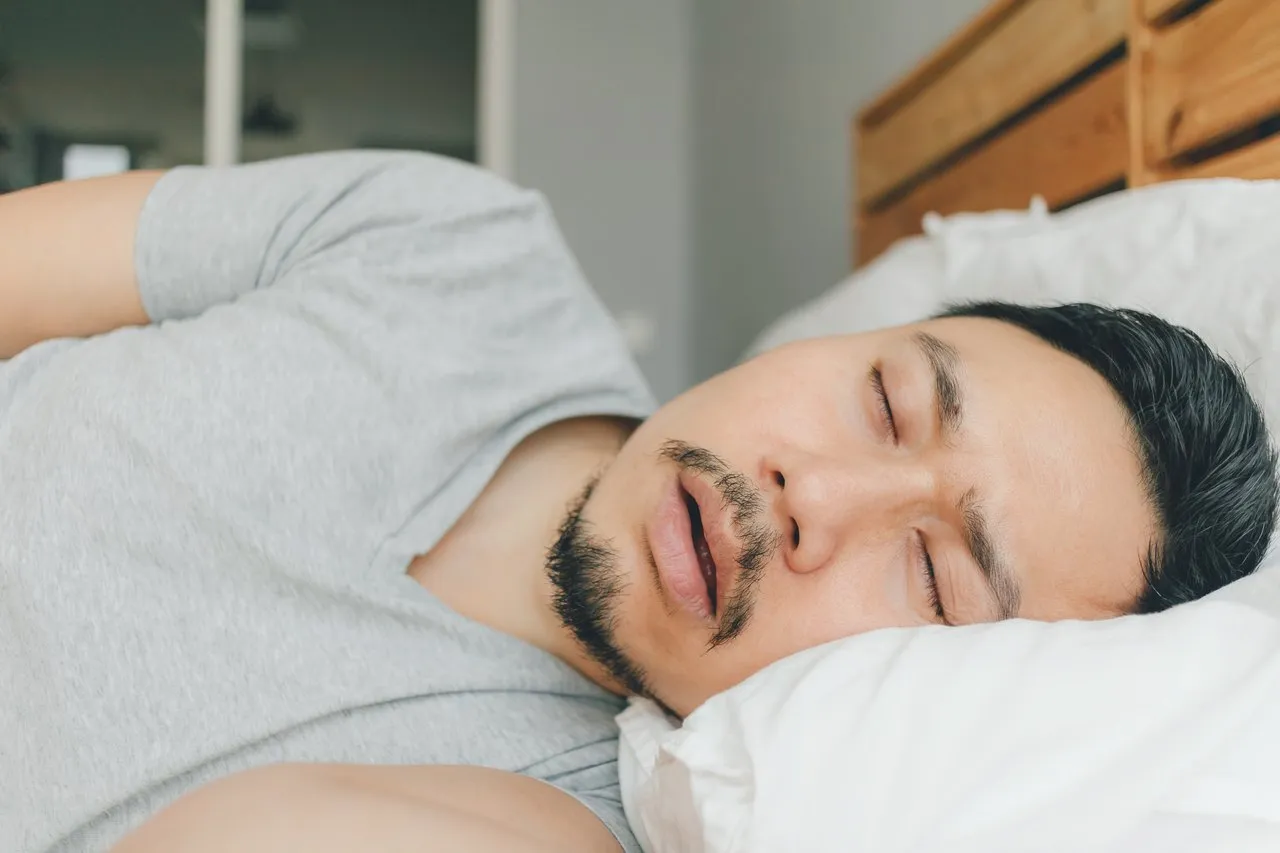
Snoring and sleep apnoea – a common combination
Not all snoring is dangerous. Nevertheless, snoring is a common symptom of sleep apnoea. It is caused by a narrowing of the upper airways, which leads to vibrations when breathing in and out. This snoring is made worse by lying on your back, drinking alcohol or being overweight.
Early treatment with a sleep apnoea anti-snoring splint can not only protect your health, but also improve your relationship with your partner. After all, restful sleep benefits everyone involved.
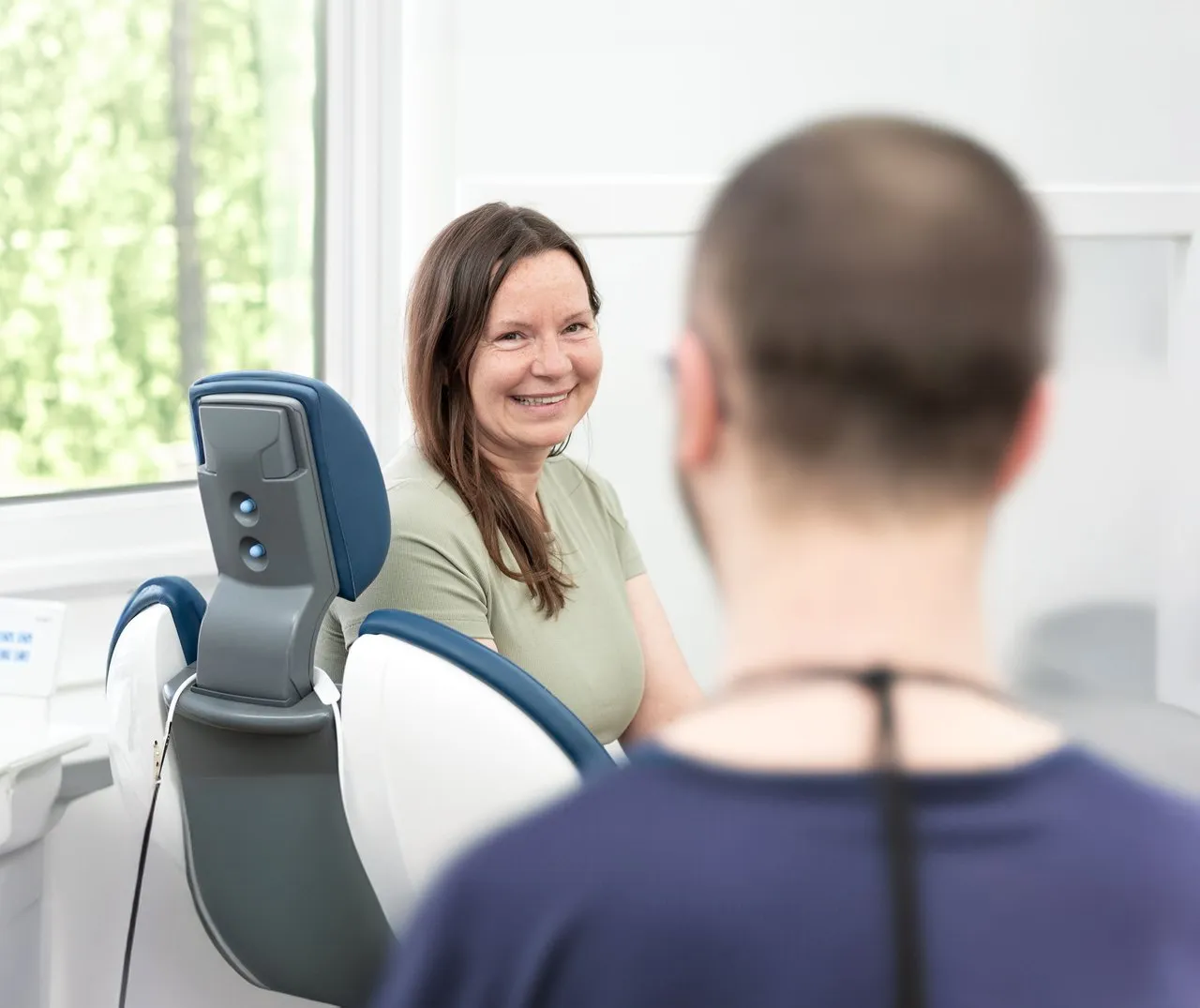
Conclusion: anti-snoring splints – simple, effective and customised
Treating the condition does not require complicated or invasive measures. An individually fitted sleep apnoea splint from the dentist is a modern, discreet and effective form of treatment. This is especially true if a CPAP machine is not well tolerated or only a mild form of the condition is present. However, suitability must be determined in coordination with a sleep clinician, and efficacy must be checked during follow-up. Symptoms alone do not establish severity, and neither symptoms nor CPAP intolerance alone justify changing CPAP.
Our patients report positive experiences with sleep apnoea splints. These range from restful sleep and reduced daytime sleepiness to an improved quality of life. Make an appointment at our dental practice Wunschlachen in Berlin today – we will provide you with individual, expert advice.
FAQs about sleep apnoea
Daytime tiredness, difficulty concentrating, morning headaches, irritability and loud snoring are among the most common symptoms.
If night-time waking, breathing pauses or loud snoring occur, a doctor should be consulted.
Not all snoring indicates the condition, but snoring is often an early sign.
The splint moves the lower jaw slightly forward, keeping the airways open.
Costs vary depending on the model and the amount of work involved. For eligible patients, clinically prescribed devices for obstructive sleep apnoea are covered by statutory health insurance through the approved treatment pathway. Private or other devices may involve different costs and cover.
Initially, you may experience a slight feeling of pressure or increased saliva production; these symptoms usually disappear quickly.
Patients report better sleep, less tiredness and reduced snoring.
For patients with clinician-assessed mild to moderate obstructive sleep apnoea (OSA), it may be suitable when selected in coordination with a sleep clinician, with follow-up checks of its efficacy. Symptoms alone do not establish severity or justify changing CPAP.
Besides splints, CPAP machines, positional therapy aids and respiratory therapy are commonly used methods.
The splint should be worn every night to remain effective over the long term.