Sleep peacefully with a snoring splint
Night-time snoring can contribute to an increased risk to your health. This is particularly true when it is accompanied by pauses in breathing (sleep apnoea). At our Wunschlachen dental practice in Berlin, we offer a snoring splint customised for you by your dentist. An effective, gentle...
Über 350 Google-Bewertungen
The short answer
A snoring splint from a dentist is a custom-made mandibular advancement splint that moves the lower jaw slightly forwards at night, thereby keeping the airways open. It is suitable for regular snoring and mild to moderate obstructive sleep apnoea. As a guide, costs are approximately €350 to €800; an individual treatment and cost plan provides clarity before treatment begins.
- Wearing time
- Only worn at night; with good care, a splint usually lasts 3 to 5 years.
- Costs
- Guide price of approximately €350–€800 depending on the work involved, laboratory and materials; binding cost information is provided in the personal treatment and cost plan before treatment begins.
- Statutory health insurance cover
- For adults with diagnosed obstructive sleep apnoea requiring treatment, statutory health insurance can contribute if an appropriately qualified treating contract physician prescribes treatment through the prescribed specialist pathway, staged diagnostics including sleep-laboratory assessment confirm the diagnosis, and positive airway pressure therapy has been unsuccessful or is not feasible. A splint for ordinary snoring is an elective service paid for privately; there is no blanket statutory cover for snoring.
Does not replace individual dental advice; binding cost information is provided before treatment begins.
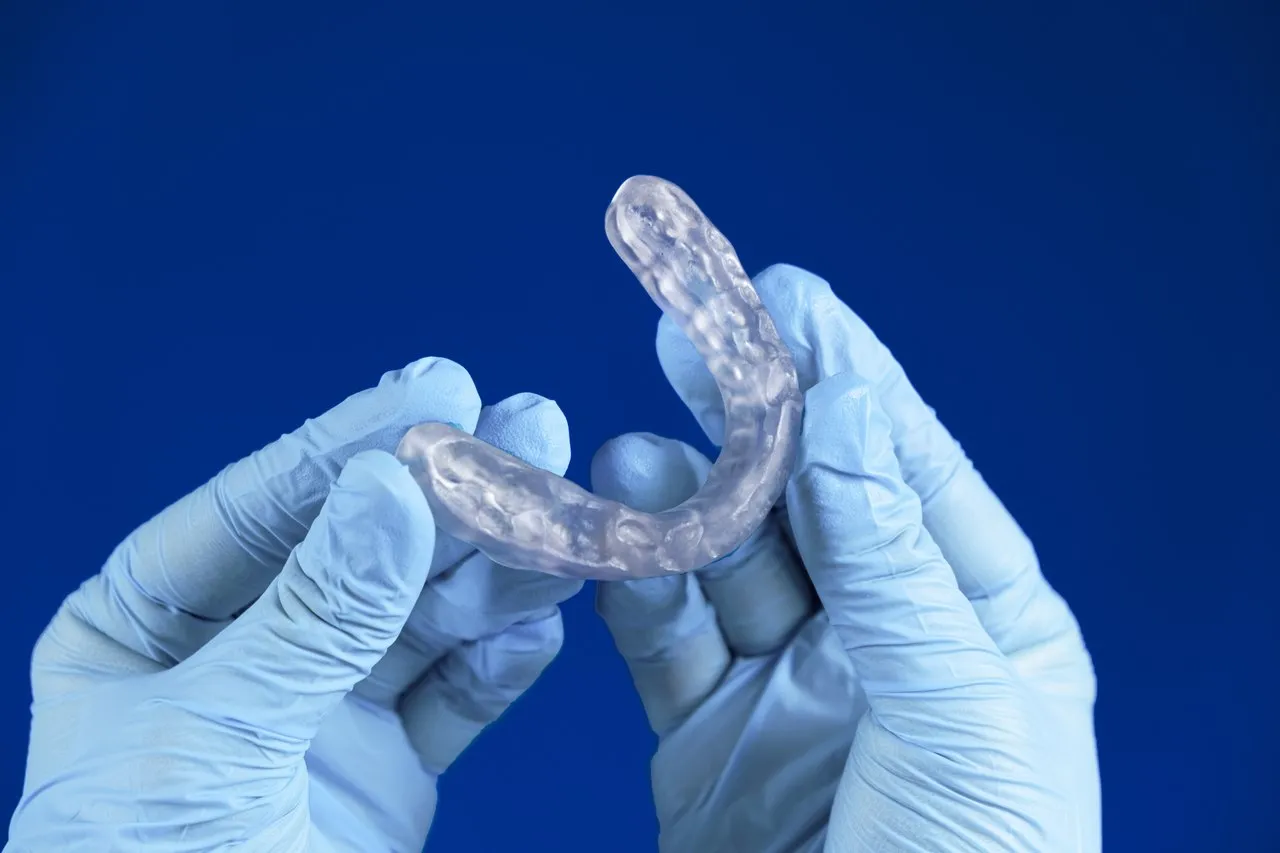
What is a snoring splint?
A snoring splint has been specially developed to keep the airways open during sleep. It moves the lower jaw slightly forwards, preventing the tongue and soft palate from blocking the throat.
The anti-snoring splint provided by your dentist is individually customised for you. It is effective and comfortable to wear. It is generally only worn at night and can significantly reduce snoring.
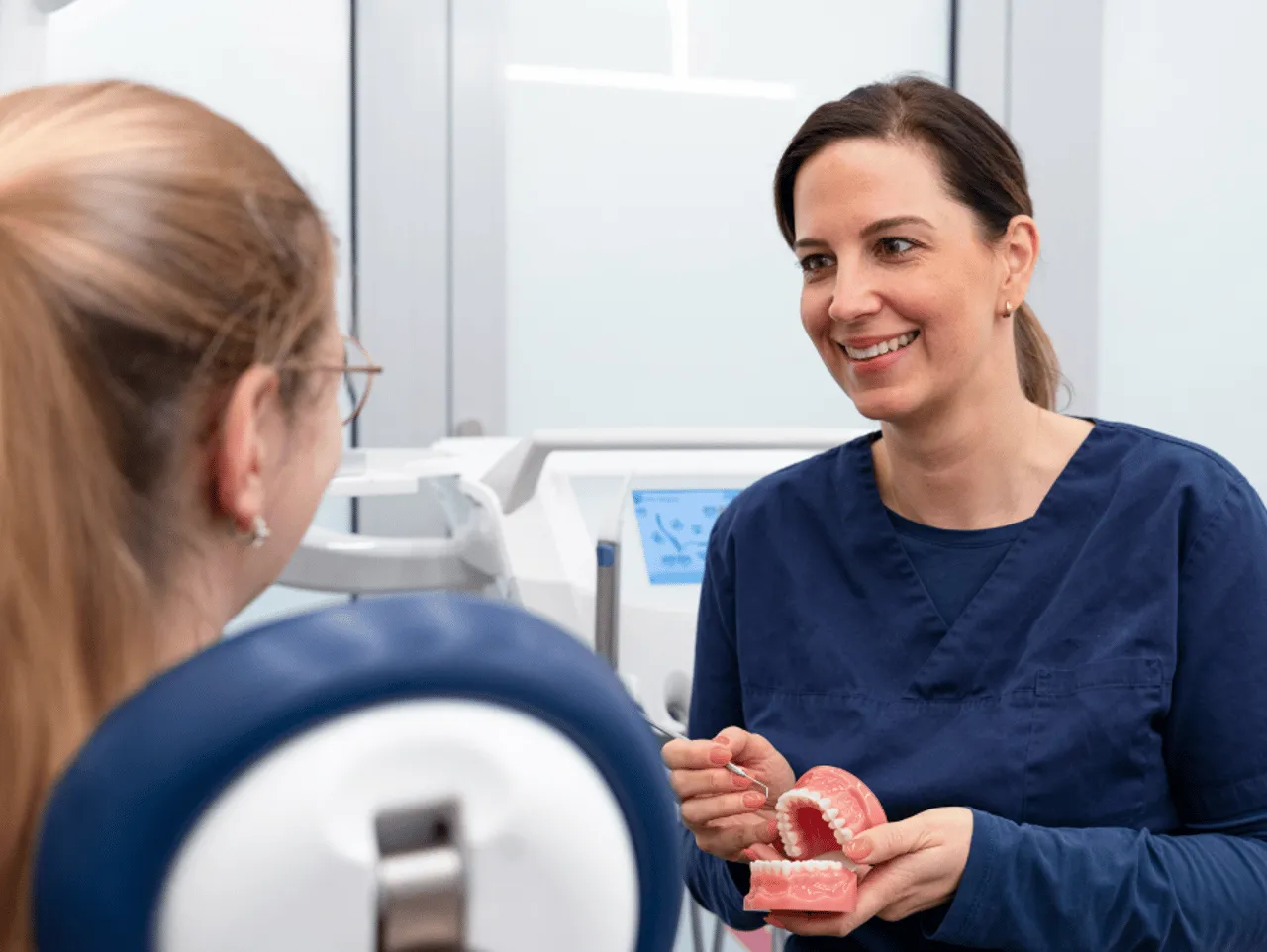
A snoring splint from your dentist
A snoring splint from a dentist differs considerably from over-the-counter products available from chemists. The advantages of our dentist-fitted anti-snoring splints are:
• Taking into account the position of your teeth and jaws
• Precise production based on a digital impression
• High-quality, biocompatible material
• High level of comfort and minimal disruption to sleep
Only a custom-made snoring splint from a dentist offers the necessary functionality and safety. Wearing the splint does not cause pressure points or unwanted tooth movement.
Sleep apnoea: an underestimated danger
Around 30 million people in Germany snore regularly. For many, it is a medical condition. Obstructive sleep apnoea syndrome, which causes pauses in breathing during sleep, is particularly dangerous. These pauses interrupt restorative deep sleep and can lead to daytime tiredness, concentration problems and even microsleep.
If left untreated, sleep apnoea can have the following serious long-term health consequences:
• Cardiovascular disease
• High blood pressure
• Strokes
• Type 2 diabetes
• Depression
For these reasons, early assessment by sleep medicine specialists and, if necessary, treatment with a splint for sleep apnoea at the dentist is important.
How does a snoring splint work?
The snoring splint works according to a simple but highly effective principle. It moves the lower jaw slightly forwards, which significantly widens the airways in the throat.
The muscles in the mouth and throat relax during sleep. In many people, this causes the lower jaw to fall back and the tongue to slip backwards. This partially or completely blocks the airways. The result is typical snoring or even pauses in breathing (apnoeas).
Wearing a snoring splint from a dentist holds the lower jaw in a stable, slightly forward position so that:
• the tongue can no longer slip back
• the soft palate is tightened
• the back of the throat remains open
This allows air to flow freely again – snoring is reduced or disappears completely. Particularly in people with mild to moderate obstructive sleep apnoea, the splint can noticeably improve sleep quality and general health.
The splint is individually fitted to your jaw and is only worn at night. It is usually barely visible, and many patients find it comfortable after a short adjustment period.
Benefits of an anti-snoring splint from your dentist
• No surgical procedure
• Considerably more restful sleep
• Noticeable relief for partners too
• High level of comfort thanks to the custom fit
• Easy to clean and durable
• Fewer side effects compared with CPAP masks
Who is a snoring splint suitable for?
A dental snoring splint is particularly suitable for people who:
• suffer from regular or loud snoring
• have mild to moderate sleep apnoea
• cannot tolerate a CPAP mask
• suffer from daytime tiredness or concentration problems
• no longer wish to disturb their partner's sleep
Getting your snoring splint at Wunschlachen in Berlin
The dental treatment process is divided into several stages. We carefully coordinate these stages with one another at our clinic in Berlin:
• Consultation and diagnostics
• We analyse your symptoms, if necessary in collaboration with a sleep medicine specialist. A sleep laboratory assessment may be necessary to make an accurate diagnosis.
• Digital impression
• We create a highly precise 3D scan of your jaws. Based on this, your one-piece splint is made in a dental laboratory.
• Fitting and adjustment
• The finished splint is individually adjusted to your jaw and teeth and tested.
• Aftercare and adjustments
• We continue to care for you after your splint has been provided to ensure its fit, effectiveness and comfort.
How much does a snoring splint from your dentist cost?
For an adult with diagnosed obstructive sleep apnoea that requires treatment, statutory health insurance can contribute towards the costs under the staged diagnostic and treatment pathway. The following requirements apply:
• a prescription from an appropriately qualified treating contract physician, following the prescribed specialist pathway
• diagnosis through the prescribed staged diagnostic procedure, including assessment in a sleep laboratory
• unsuccessful or infeasible positive airway pressure therapy (e.g. CPAP)
There is no blanket statutory health insurance cover for snoring. A splint for ordinary snoring is an elective service whose costs are paid privately. It is not possible to say exactly which costs will actually be covered by health insurance. We would be happy to advise you about your options at our practices and draw up a personal treatment and cost plan.
How much does a snoring splint from a dentist cost?
Unfortunately, no general figure can be given in this case. The costs for a dental splint usually range from €350 to €800. The total amount depends on the work involved for the dentist and the laboratory, as well as the materials used. In the long term, a snoring splint is a worthwhile investment in your health and quality of life.
Other treatments for snoring
Not every form of snoring can be treated with a splint. In some cases, other measures are necessary. The following options are available:
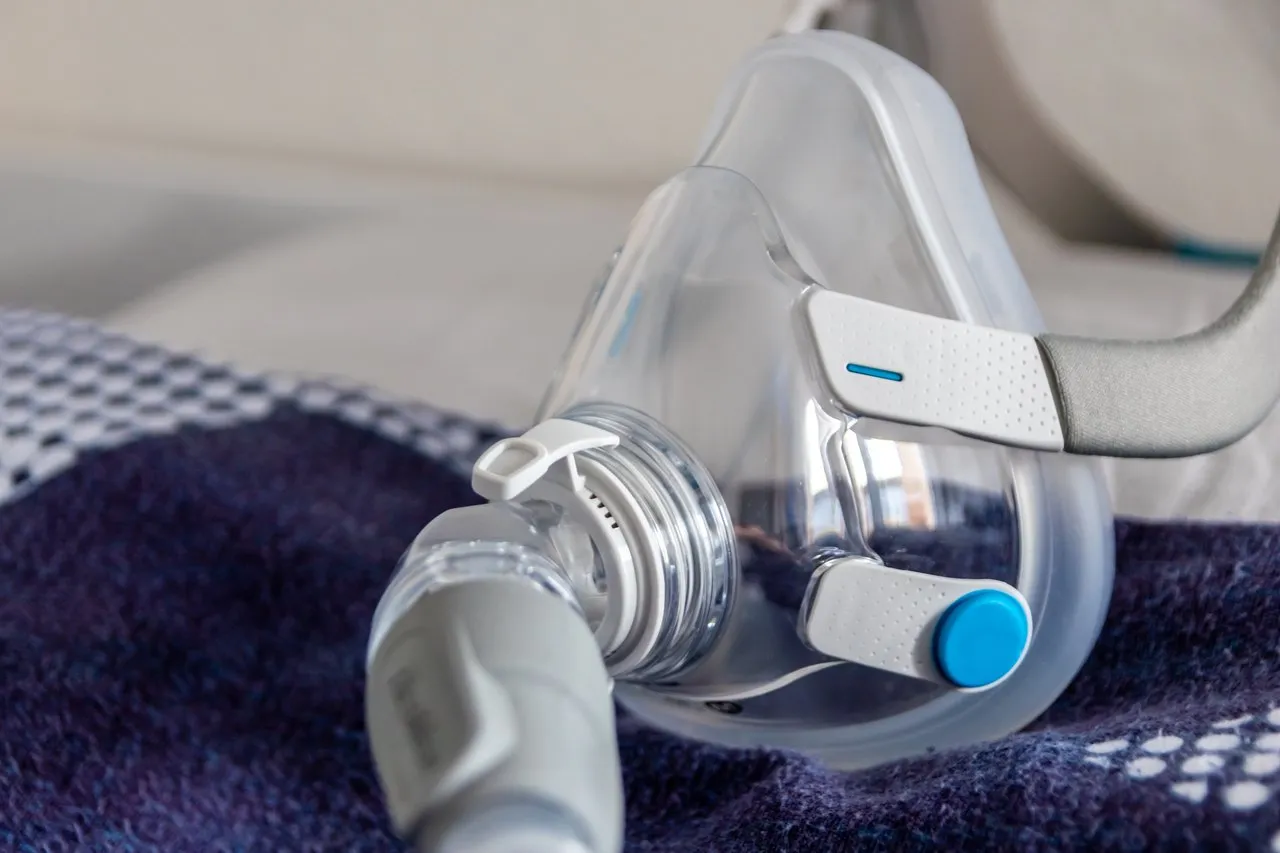
• CPAP therapy with a breathing mask
• Surgery for anatomical narrowing of the airways
• Lifestyle changes, e.g. sleeping on your side, weight loss and avoiding alcohol
We provide individual advice and help you find the best way to achieve peaceful sleep.
Frequently asked questions (FAQ)
An individually fitted dental splint that moves the lower jaw slightly forwards to keep the airways open.
For people with mild to moderate snoring or obstructive sleep apnoea who are looking for an alternative to a breathing mask.
Usually between €350 and €800, depending on the work involved and the laboratory.
Generally not. CPAP therapy is usually necessary for severe sleep apnoea.
With good care, usually 3 to 5 years.
Yes. After a short adjustment period, most patients find the splint comfortable.
Occasionally mild jaw tension or increased salivation at first. These usually subside after a few days.
Yes, it is made specifically for your jaw based on a digital impression.
With a soft toothbrush, mild soap or special cleaning products. Do not use harsh toothpastes.
At our Wunschlachen dental practice in Berlin. We would be happy to provide you with individual advice.