Soothing a tooth nerve: advice and treatment options
Toothache, particularly when caused by inflammation of the tooth nerve, is among the most unpleasant complaints. An inflamed tooth nerve can cause extreme pain that severely affects daily life. In this article, you will learn how to soothe the tooth nerve and what treatment options are available.
Über 350 Google-Bewertungen
What soothes an irritated tooth nerve?
Tooth nerve pain is usually caused by inflammation of the tooth nerve (pulpitis), often triggered by tooth decay. Home remedies such as salt water rinses, cold compresses or a clove oil preparation labelled for dental use, used as directed while avoiding contact with the gums and skin, can provide short-term relief, but are no substitute for professional dental assessment and treatment. If the pain lasts longer than 24 hours or is accompanied by swelling and fever, a dentist should be seen immediately.
- Short-term relief
- Salt water rinse, cold compress applied externally, clove oil preparation labelled for dental use and used as directed, avoiding contact with the gums and skin – only as a stopgap until your dental appointment.
- Common causes
- Tooth decay, dental injuries or infections that reach and irritate the tooth nerve.
- When to see a dentist
- If pain lasts more than 24 hours, or if swelling and fever also occur, seek medical assessment immediately.
General information only; not a substitute for a diagnosis. Home remedies work only temporarily; the cause requires dental treatment.
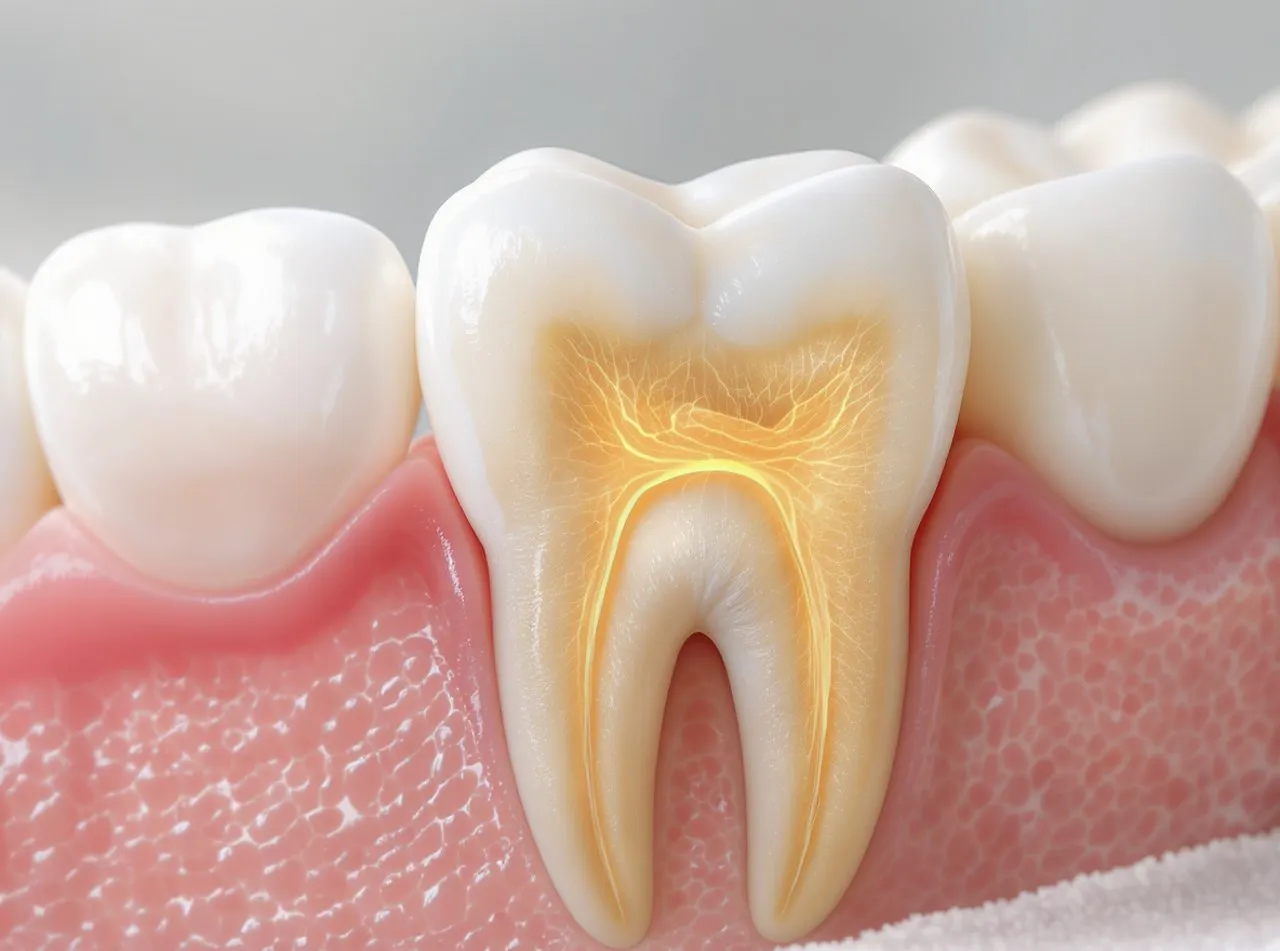
Causes of tooth nerve pain
The most common cause of tooth nerve pain is inflammation of the tooth nerve, also known as pulpitis. This inflammation often occurs as a result of tooth decay, when bacteria reach the tooth nerve. A dental injury or inadequate dental care can also lead to inflammation of the tooth nerve. In addition, infectious processes or inflammation of the jaw can cause tooth nerve pain.

Symptoms of an inflamed tooth nerve
An inflamed tooth nerve causes severe, throbbing pain. This pain often worsens with heat or cold. The affected tooth may be sensitive to pressure, and the pain may spread to the jaw or the whole head. In some cases, the gums may also become swollen.

Soothing a tooth nerve – home remedies
Although a dentist is the best person to see when the dental nerve is inflamed, there are some home remedies that can alleviate the symptoms. However, these should only be considered a temporary solution and not a long-term treatment.
1. Salt water rinse: A mixture of warm water and salt can help reduce inflammation and soothe the affected area.
2. Cold compresses: Applying a cold compress to the affected cheek can help relieve pain by reducing blood circulation and swelling.
3. Clove oil: Clove oil contains eugenol, a natural pain reliever that can help with toothache. Only use a clove oil preparation labelled for dental use, as directed. Apply it to a cotton bud and then directly to the painful tooth, avoiding contact with the gums and skin.

Medical treatment options
The most effective way to treat dental nerve pain is to see a dentist. Treatment depends on the diagnosis, the severity of the inflammation and whether the tooth can be restored:
1. Filling, vital pulp therapy or root canal treatment: If inflammation of the dental nerve is caused by tooth decay, suitable treatment depends on the diagnosis and whether the tooth can be restored. Caries management, vital pulp therapy or root canal treatment may be appropriate. During root canal treatment, the inflamed nerve is removed and the tooth is then filled.
2. Tooth extraction: In severe cases where the dental nerve is irreparably damaged, the affected tooth may need to be extracted. Whether extraction is appropriate depends on the diagnosis and whether the tooth can be restored, rather than on nerve damage alone.
3. Medication: In some cases, the dentist may prescribe pain-relieving and anti-inflammatory medication to alleviate the symptoms.

Preventing tooth nerve pain
Good oral hygiene is essential to prevent tooth nerve pain. Regular tooth brushing, using dental floss and regular dental check-ups can help prevent tooth decay and gum disease. You should also maintain a balanced diet and reduce your consumption of sugary foods.
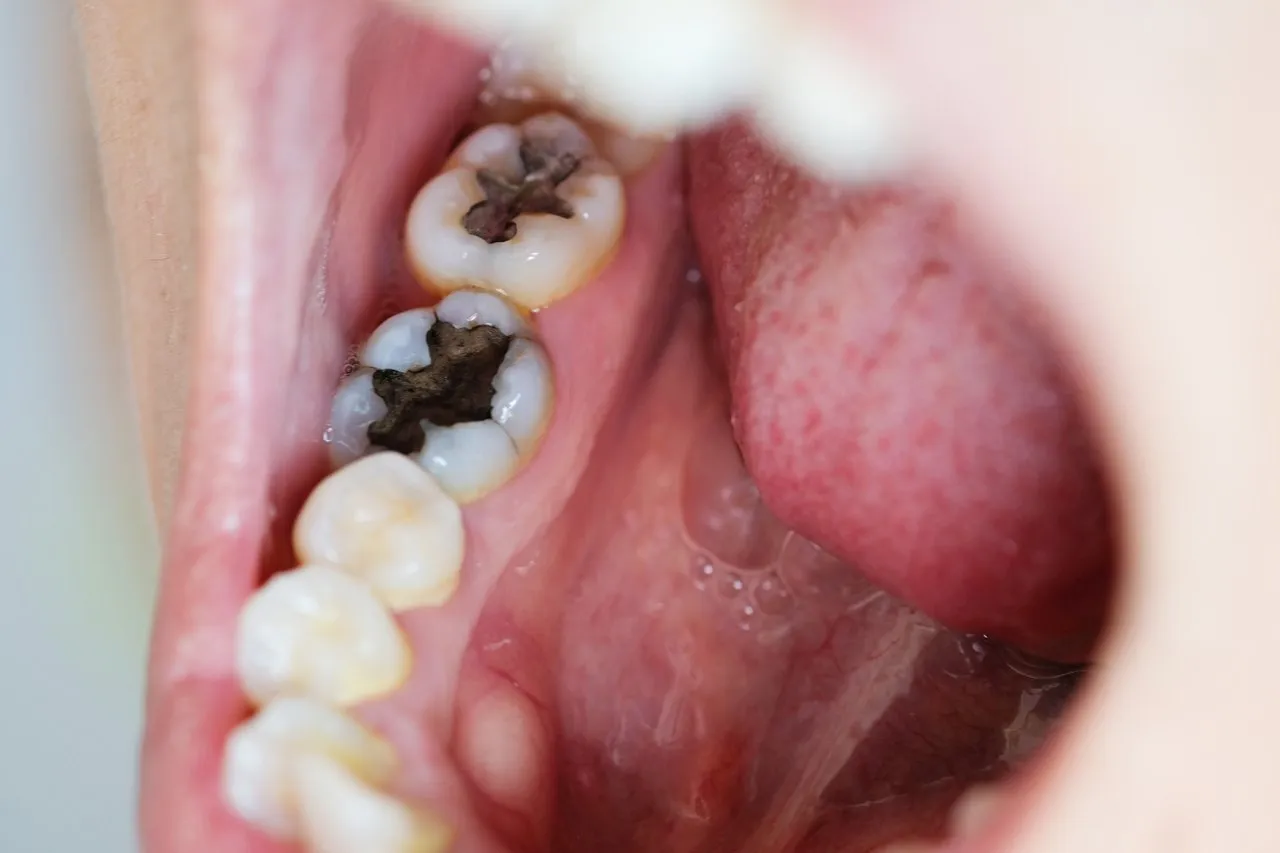
When should you see a dentist?
You should always see a dentist if toothache lasts longer than 24 hours or if severe pain occurs. If the pain is accompanied by swelling or fever in particular, this could indicate a serious infection requiring immediate medical treatment.

Conclusion
Tooth nerve pain is extremely unpleasant, but it can be well controlled with the right treatment and prevention. Home remedies can provide temporary relief, but a visit to the dentist remains essential to avoid long-term damage. Good dental care and regular check-ups can prevent tooth nerve pain in many cases.