
Telescopic denture: feeling of pressure – causes and measures
A telescopic denture is an excellent solution for patients who need tooth replacement but still have healthy teeth in their jaw. It is particularly beneficial when several teeth are missing and the dentist wants a long-term solution without extensive surgical procedures....
Über 350 Google-Bewertungen
A feeling of pressure with a telescopic denture: what can you do?
A feeling of pressure with a telescopic denture is usually caused by an inaccurate fit, an incorrect bite height or changes in the jawbone after tooth loss. The problem is often temporary: the dentist can adjust the denture, correct the bite height or smooth pressure spots. If the discomfort persists despite adjustment, the cause and fit should be examined by a dentist.
- Typical causes
- An inaccurate fit, incorrect bite height, jawbone loss after tooth loss, an overly tight fit putting pressure on the gums.
- What helps
- Adjustment of the denture and bite height, polishing pressure spots, gentle cooling; regular follow-up checks ensure a good fit.
- When to see a dentist
- If the feeling of pressure persists, or if you experience pain or gum irritation – do not attempt to adjust pressure spots yourself.
Does not replace individual dental advice.
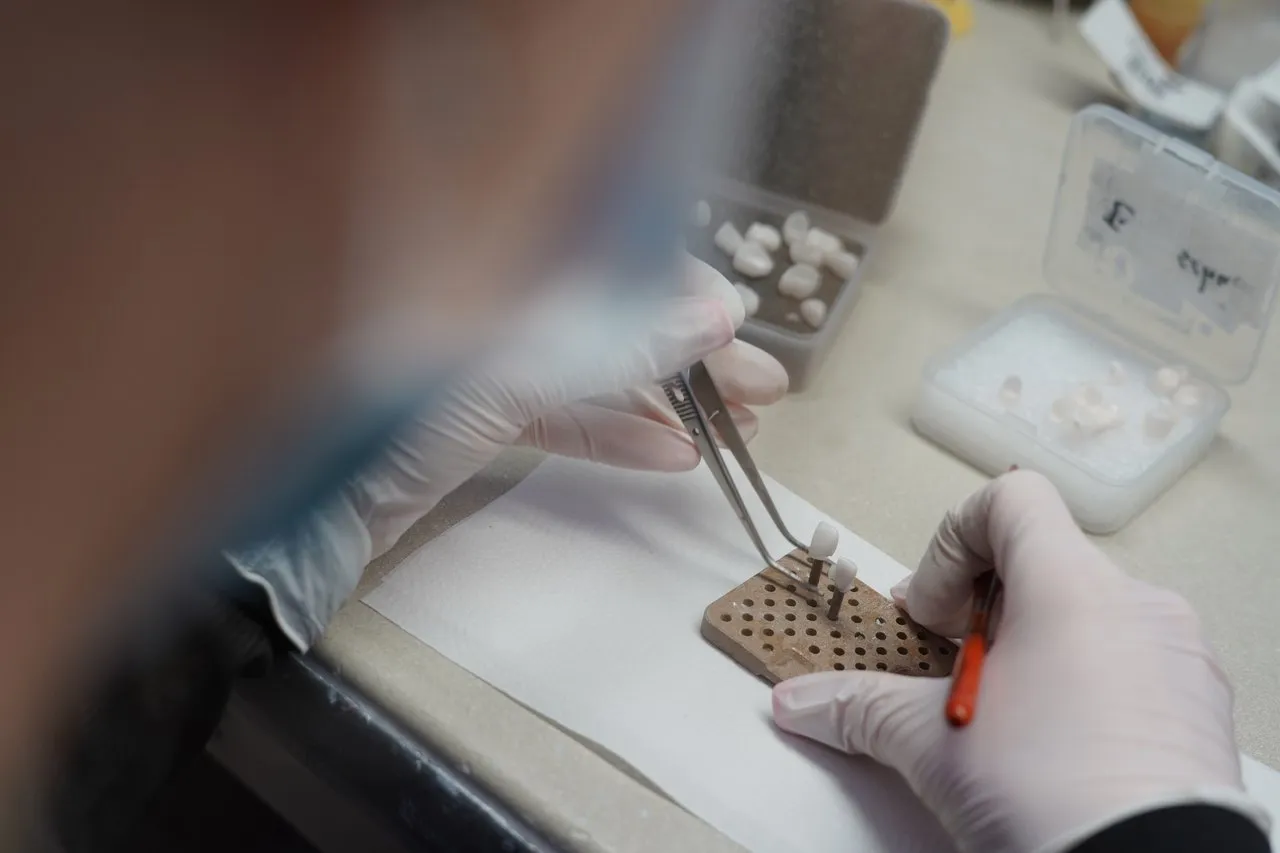
Causes of the feeling of pressure
A feeling of pressure with a telescopic denture can arise due to various factors. One of the most common causes is an inaccurate fit of the denture. If the telescopic crowns are not perfectly matched to the remaining teeth, additional pressure can be exerted on the gums or jaw. Changes in the jawbone, for example following tooth loss or an age-related reduction in bone volume, can also lead to an unpleasant sensation of pressure. Another common problem is the bite height. If the bite is not correctly aligned, this can lead to uneven loading and cause tension in the jaw or gums.
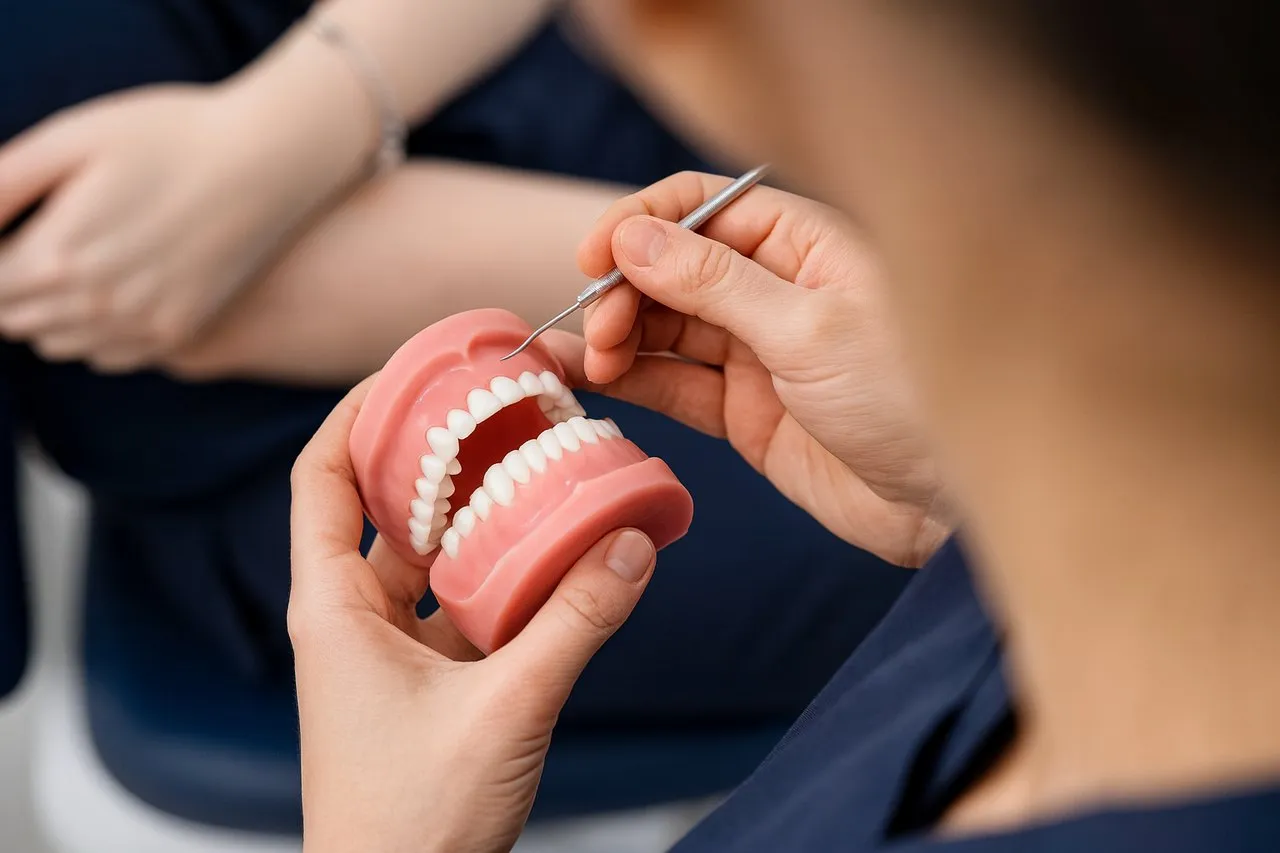
Further causes of the feeling of pressure:
• Inadequate fit: If the denture does not sit correctly on the teeth, pressure is not distributed evenly, which can lead to unpleasant feelings of pressure. • Incorrect bite height: An ill-fitting bite can alter the pressure on the teeth and jaw, leading to tension. Changes in the jawbone: After tooth loss, the jawbone can recede, which can impair the fit of the denture. • Excessive pressure from the denture: In some cases, the pressure exerted by the denture on the gums can lead to a feeling of pressure, especially if the denture is too tight or does not fit well.
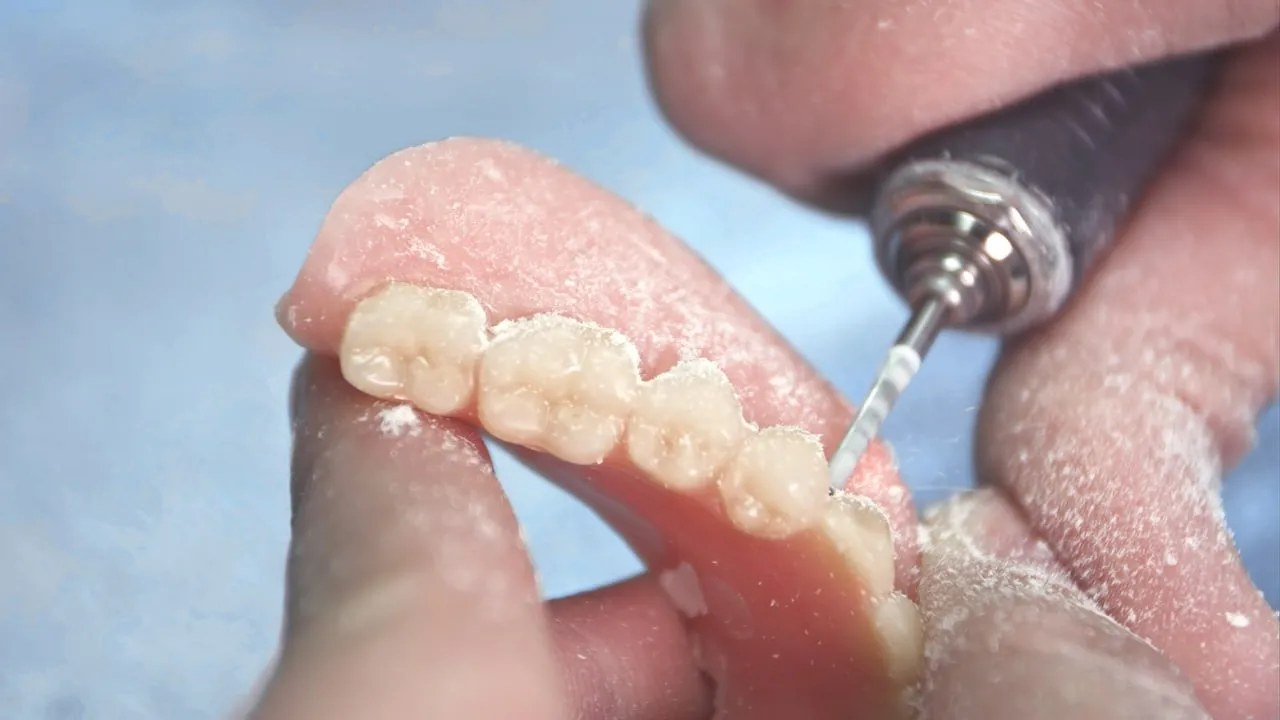
Relieving the feeling of pressure
The treatment of a feeling of pressure depends on its cause. A dentist can adjust the denture to optimise the fit and distribute the pressure evenly. The bite height can also be corrected to reduce pressure on the jaw. In some cases, polishing or smoothing the denture can help to prevent pressure points and increase comfort. An experienced dentist can also use modern materials and techniques to ensure that the denture fits the jaw even better, thereby reducing feelings of pressure and pain. If the denture no longer functions optimally, alternative solutions such as screwless implants or adjustments to the denture materials may be considered.

Additional measures:
• Pain relief: Painkillers such as ibuprofen or paracetamol can help relieve the discomfort temporarily. • Cooling: Gently cooling the affected area can also help reduce tension and soothe the gums. Applying cold compresses to the affected area can relieve swelling and pain. • Regular follow-up checks: Regular check-ups with the dentist ensure that the denture fits optimally and no further tension occurs. This can be achieved through a more personalised adjustment procedure and precise adjustment of the denture. • Use of special toothpaste: Some dental practices also recommend special toothpastes or gels developed specifically for use with dentures to improve wearing comfort and reduce tension. • Looking after the gums: Proper care of the gums is also crucial. Good oral hygiene and avoiding foods that are too hard help keep the gums healthy and minimise tension.

Long-term care and adjustment
Long-term care of a telescopic denture is crucial for its comfort and function. Regular check-ups with the dentist help to identify and resolve problems at an early stage. A well-maintained telescopic denture not only has a long service life, but also provides improved wearing comfort, as the jaw can change over time and adjustments may therefore become necessary. In addition, patients who wear a telescopic denture should maintain their oral hygiene regularly to prevent inflammation and infections. A clean denture reduces the risk of pressure points and helps to prevent unnecessary tension.

Conclusion
A feeling of pressure with a telescopic denture is often a temporary problem that can be resolved with the right adjustment and care. However, if the discomfort persists, it is advisable to see a dentist to determine the cause and adjust the treatment. A telescopic denture generally offers a long-lasting and comfortable tooth replacement solution. With the right care and regular adjustments, patients' quality of life can be significantly improved.
FAQs about telescopic dentures and feelings of pressure:
A telescopic denture is a tooth replacement anchored to the remaining teeth and includes a removable denture that replaces missing teeth.
A feeling of pressure can be caused by an inaccurate fit, an incorrect bite height or changes in the jawbone.
The feeling of pressure can be reduced by adjusting the denture, correcting the bite height or polishing the denture.
Regular follow-up checks with the dentist are recommended to ensure that the denture fits well.
Yes, if the denture fits poorly or the bite is not correct, this can lead to pressure spots, pain and feelings of pressure.
The feeling of pressure is normally temporary and can be resolved by adjusting the denture. However, if it persists, a dentist should be consulted.
With good care and regular maintenance, telescopic dentures are a long-lasting solution. They can last for many years.
Telescopic dentures are particularly suitable for patients who still have some teeth in their jaw. In cases of complete tooth loss, other options such as implants are advisable.
Yes, if the denture does not fit correctly, it can irritate the gums and cause tension.
A visit to the dentist is necessary to adjust the denture and optimise the fit.