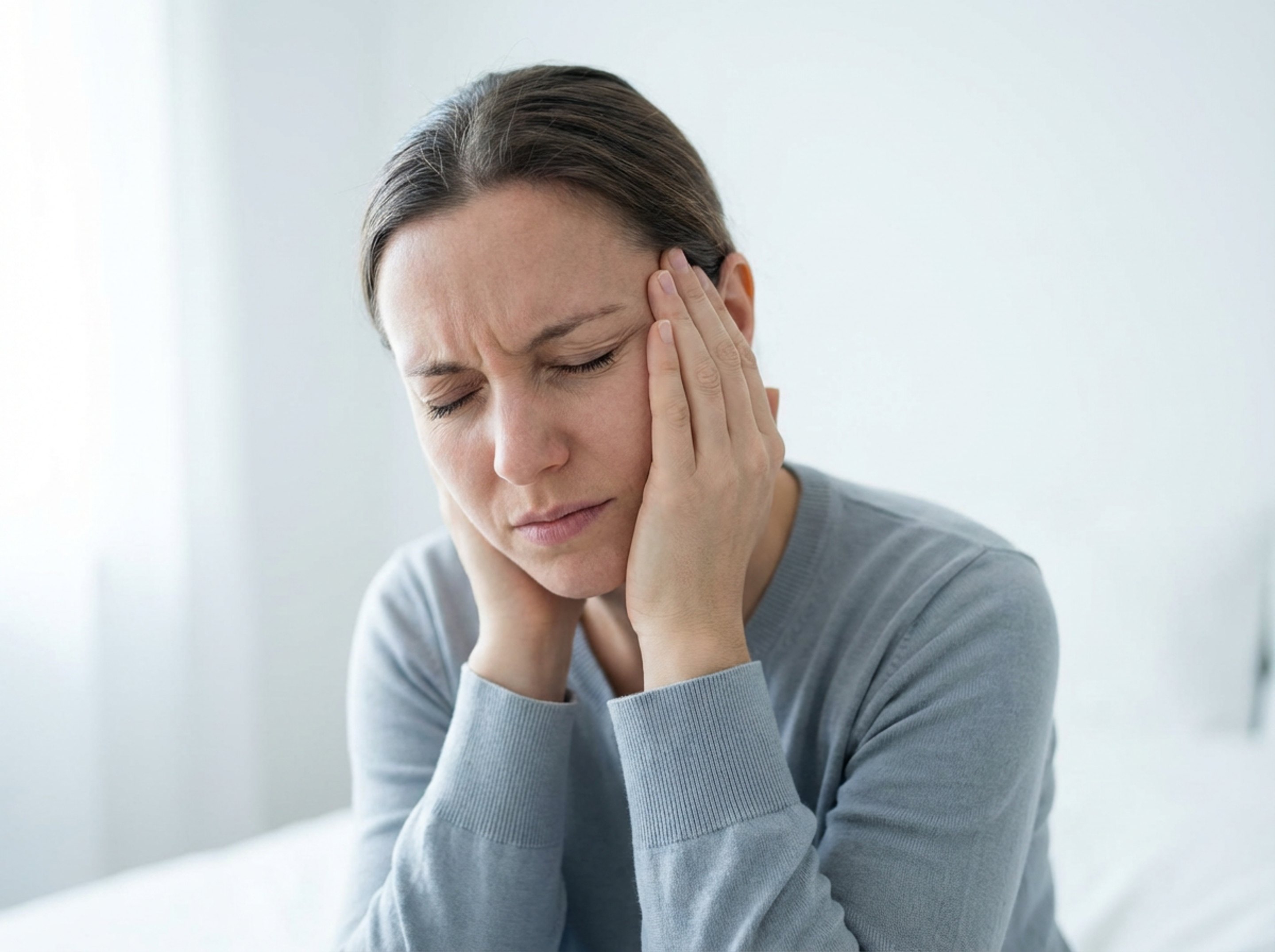
Throbbing tooth: causes and quick relief
Throbbing in a tooth often indicates irritated or inflamed tissue. Common causes are tooth decay, pulpitis or a dental abscess. Cracks in teeth, defective fillings and gum problems can also cause these symptoms. An early examination protects the tooth and reduces possible risks.
Über 350 Google-Bewertungen

What does throbbing in a tooth mean?
Throbbing toothache often feels like a rhythmic pulse. The sensation may be constant or come in waves. It often becomes noticeably worse when lying down, bending over or chewing.
The pressure in the inflamed tissue irritates sensitive nerve fibres in the tooth. This causes a pulsating or throbbing pain. Those affected can sometimes find it difficult to identify the tooth responsible.
Throbbing is not a disease in its own right. It is a warning sign of a possible change. The cause should therefore be assessed promptly by a dentist.
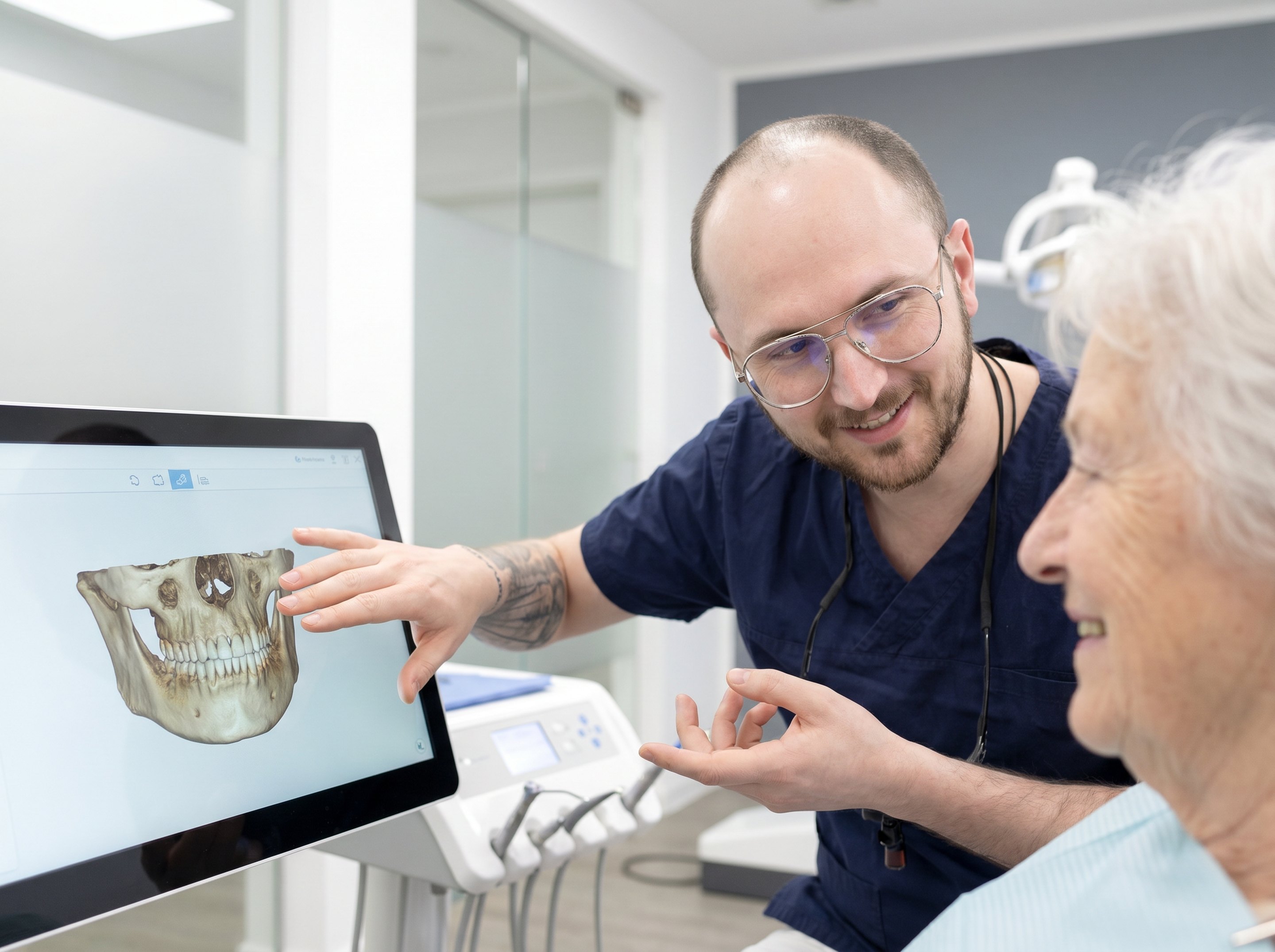
Common causes of throbbing toothache
Advanced tooth decay can reach the dental pulp. This contains nerves, blood vessels and sensitive connective tissue. If this tissue becomes inflamed, specialists refer to it as pulpitis.
Pulpitis often causes spontaneous and prolonged symptoms. Warmth can further intensify the pain. Cold is sometimes briefly perceived as soothing.
A dental abscess can also cause severe throbbing. This involves pus collecting at the root or in the gum. Sensitivity to pressure, swelling or an unpleasant taste are often present as well.
Other causes include leaking fillings, damaged crowns or fine cracks in teeth. Such defects can provide bacteria with routes into the interior of the tooth. Grinding the teeth at night can also overload the teeth and their supporting structures.
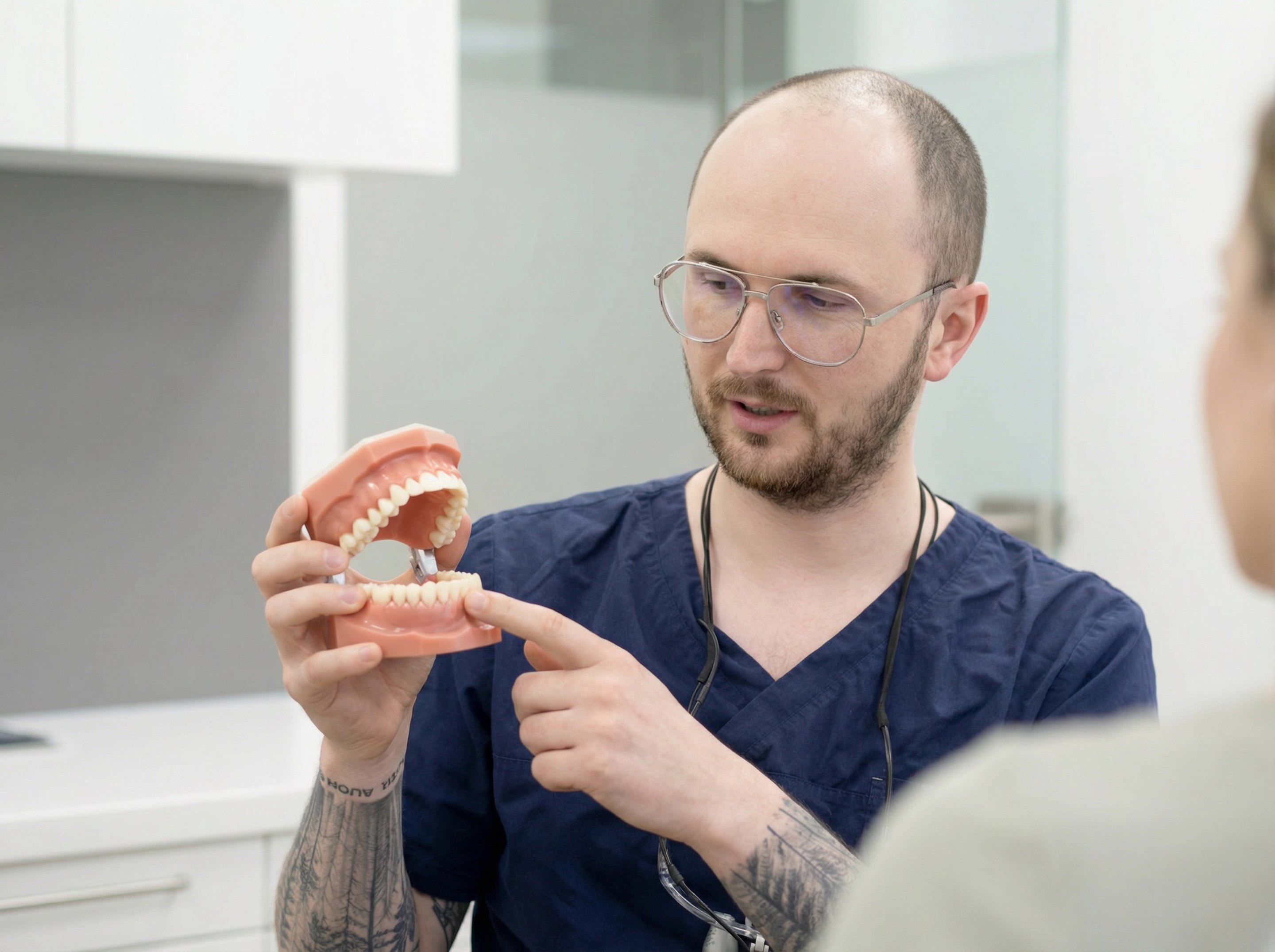
Throbbing tooth with no visible hole
A tooth can appear outwardly healthy and still be diseased. Tooth decay can develop beneath a filling or crown. Small cracks often remain invisible without magnification.
Inflammation at the root tip does not always cause visible changes either. X-rays can often reveal such processes more clearly. The dental practice also checks the response to cold and pressure.
Sometimes symptoms do not originate directly from the tooth. Inflamed sinuses can cause referred pain in the upper back teeth. Several teeth are often affected at the same time.
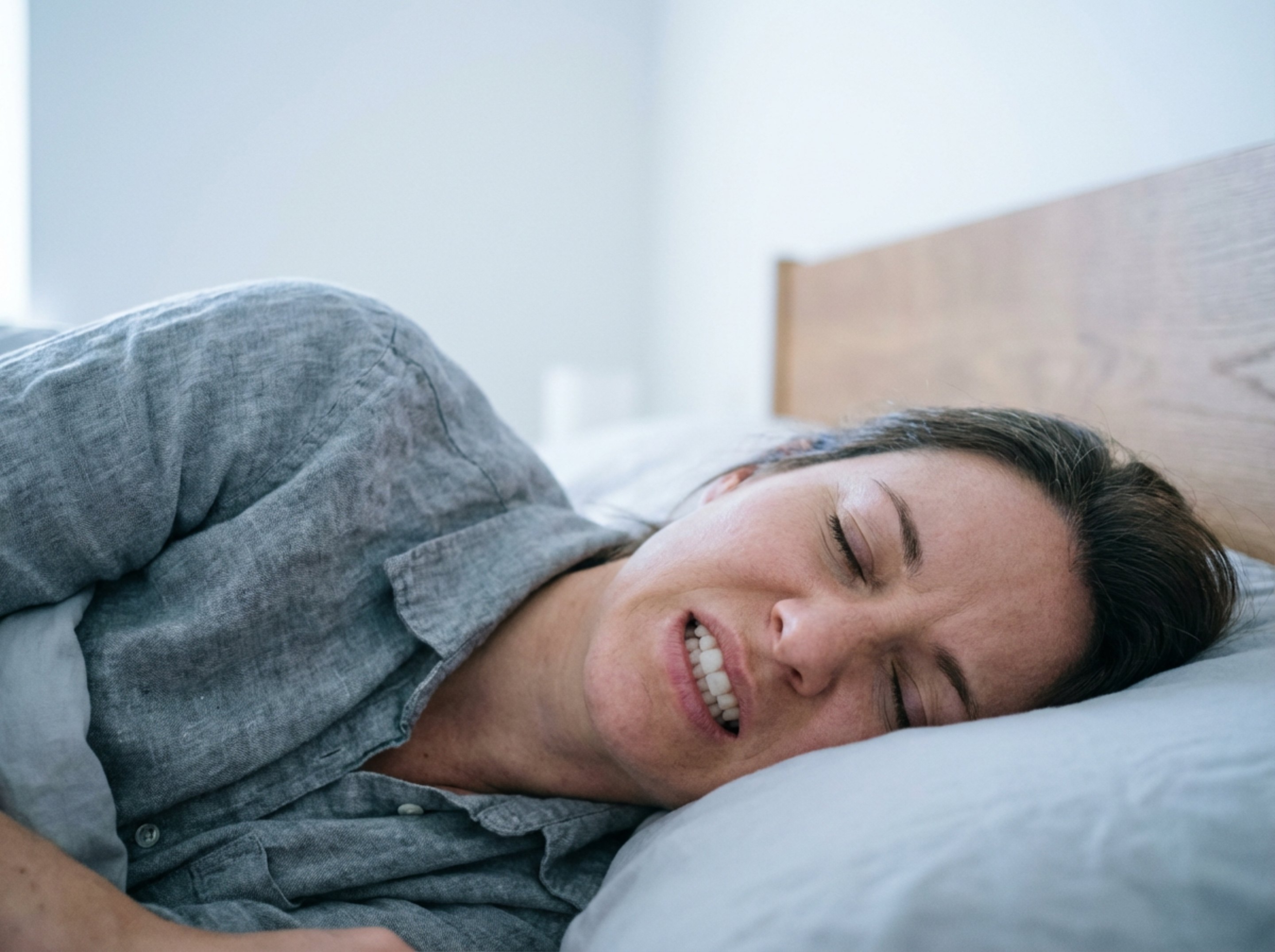
Why does a tooth throb more at night?
Lying down changes the blood flow in the head. This can put inflamed tissue under greater pressure. At the same time, many of the usual daytime distractions are absent at night.
Throbbing toothache is therefore often perceived as more intense. Lack of sleep further increases the strain. Elevating the head can temporarily reduce the feeling of pressure.
However, this measure does not treat the cause. Recurring night-time symptoms require an examination. An appointment is particularly important if the pain increases in intensity.
Which warning signs require urgent attention?
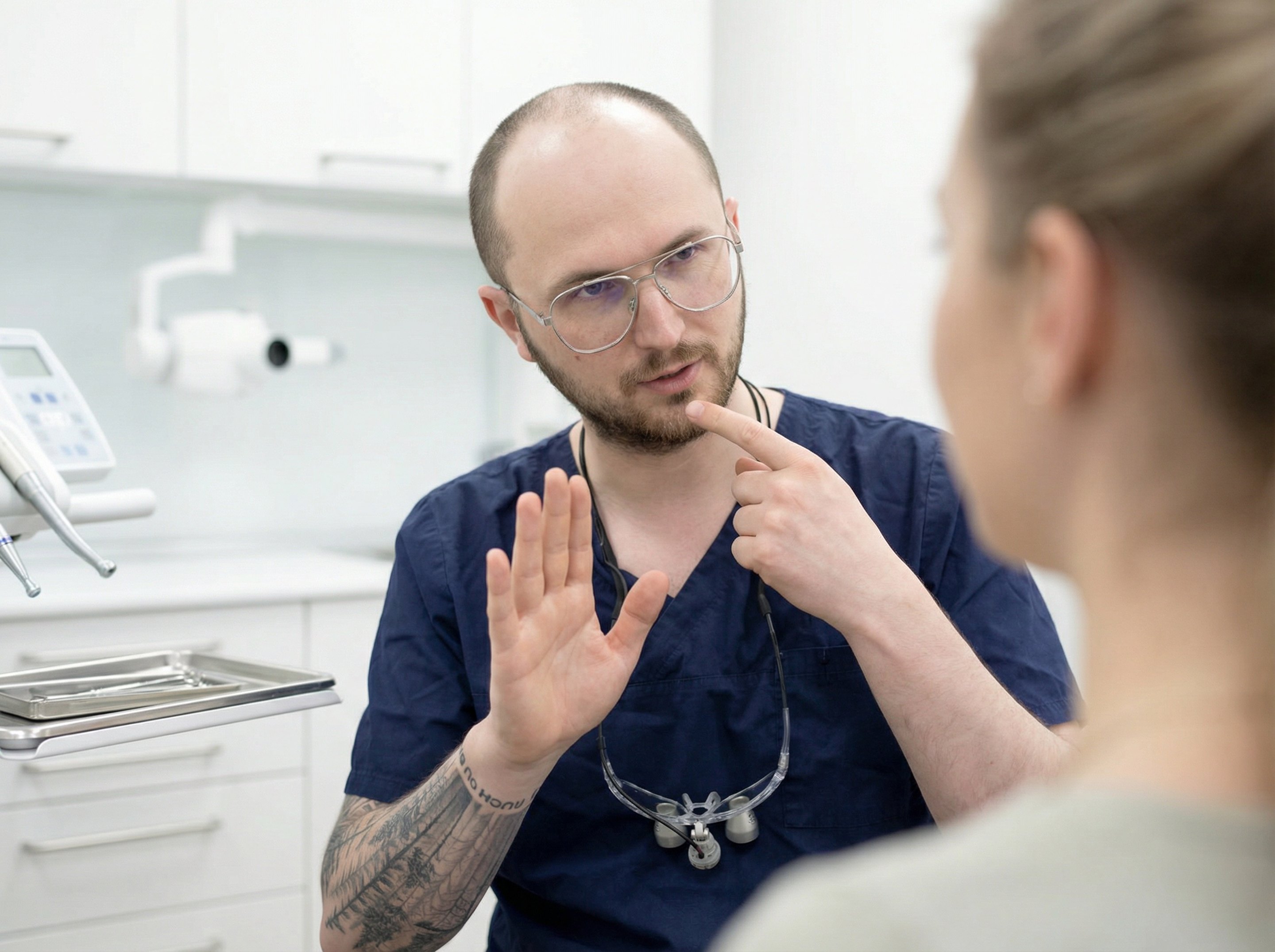
Significant swelling of the gum, cheek or jaw should be taken seriously. The same applies to fever or restricted mouth opening. Such signs can indicate a progressing infection. If swelling in your mouth or neck causes difficulty swallowing or breathing, call 112 immediately.
Rapidly increasing swelling also requires immediate medical assistance. Severe symptoms despite painkillers require an urgent dental assessment. A dental abscess does not normally disappear without dental treatment.
Throbbing pain following an accident should also be examined. An injured tooth may initially appear unremarkable. Nevertheless, the dental pulp can become inflamed later.
What helps relieve throbbing in the short term?
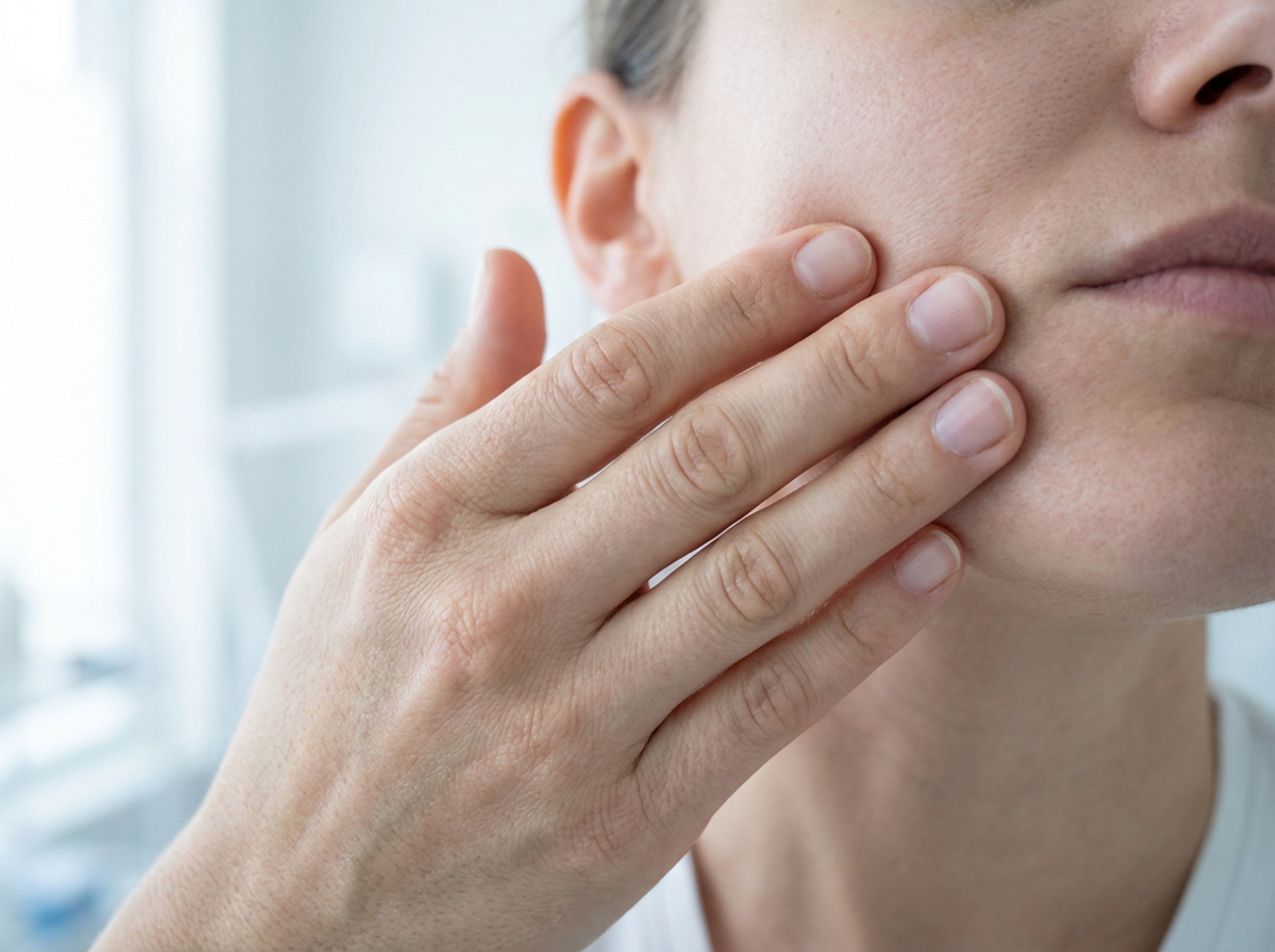
Gently cool the cheek from the outside. Never place cold packs directly on the skin. Short breaks protect the tissue from cold injury.
Avoid very hot, cold or sweet foods. Chew on the other side where possible. Thorough, gentle oral hygiene remains important nevertheless.
Suitable painkillers can temporarily reduce symptoms. Follow the package leaflet and take account of contraindications and possible interactions. Do not place a tablet directly on the tooth or gum.
Home remedies are no substitute for a diagnosis. Heat can even worsen bacterial inflammation. Antibiotics alone do not eliminate the cause of many dental problems either.

When should you book an appointment?
Persistent throbbing in a tooth should be examined as soon as possible. This also applies to recurring or worsening symptoms. Waiting can make treatment more extensive later on.
A prompt appointment is particularly advisable for pain on biting. The same applies to sensitivity to heat or visible swelling. A bad taste can also indicate an infection.
Mild symptoms without warning signs are rarely a medical emergency. Nevertheless, they should not be ignored for more than a few days. The dental practice can reliably assess the cause and urgency.
How does a dentist examine a throbbing tooth?
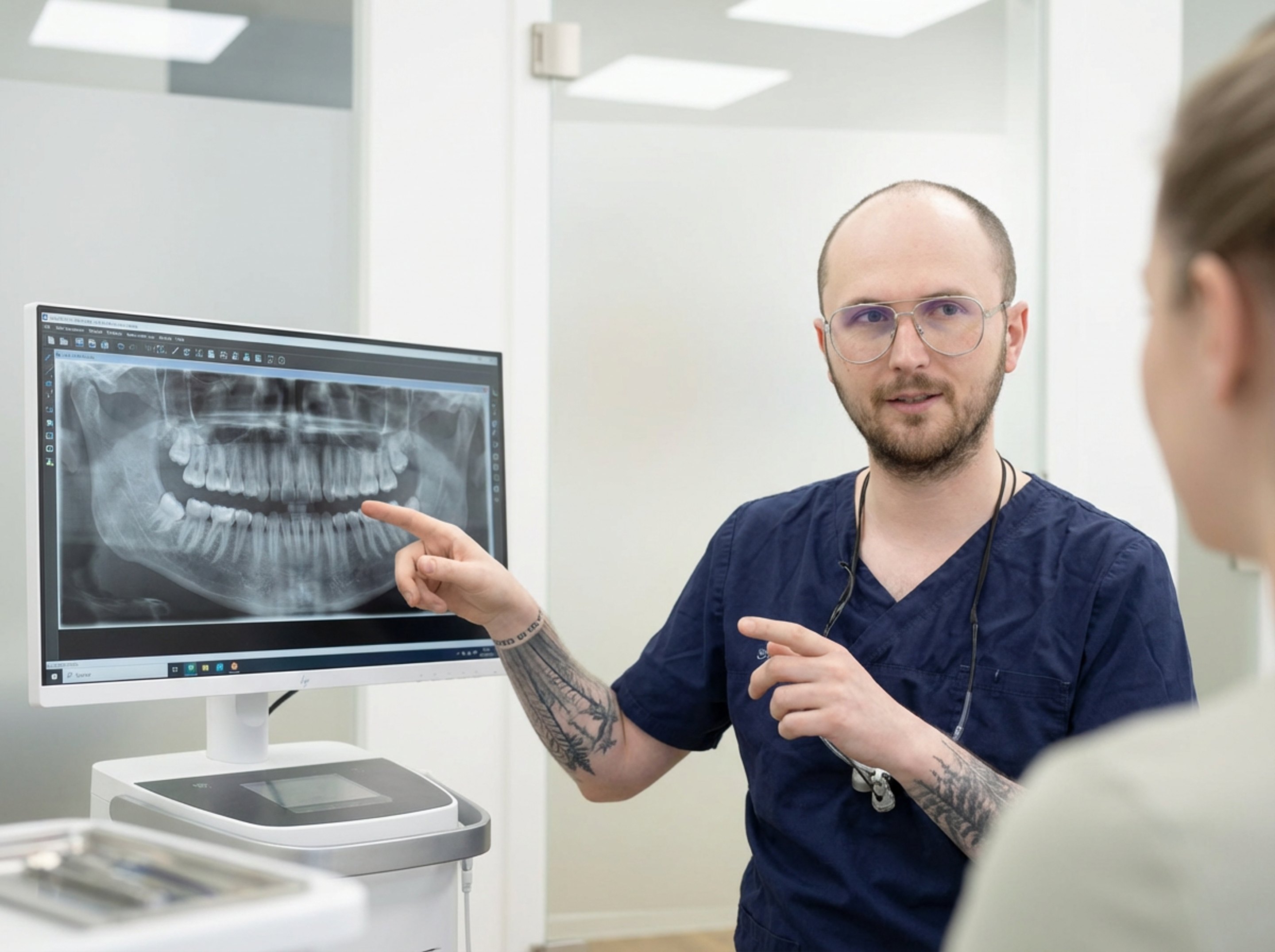
First, the onset, course and triggers of the symptoms are established. This is followed by a visual inspection, percussion test and assessment of pressure on biting. Cold or heat tests provide information about the condition of the dental pulp.
If necessary, digital X-rays supplement the examination. They show tooth decay, changes to the root or bone loss. Fine cracks sometimes require further diagnostic procedures. Treatment always depends on the findings. Small defects can often be treated with a filling. An inflamed or infected pulp may require root canal treatment.
For an abscess, the focus of infection must be treated. Sometimes the pus also needs to be drained. A severely damaged tooth can occasionally not be saved.
How can further symptoms be prevented?
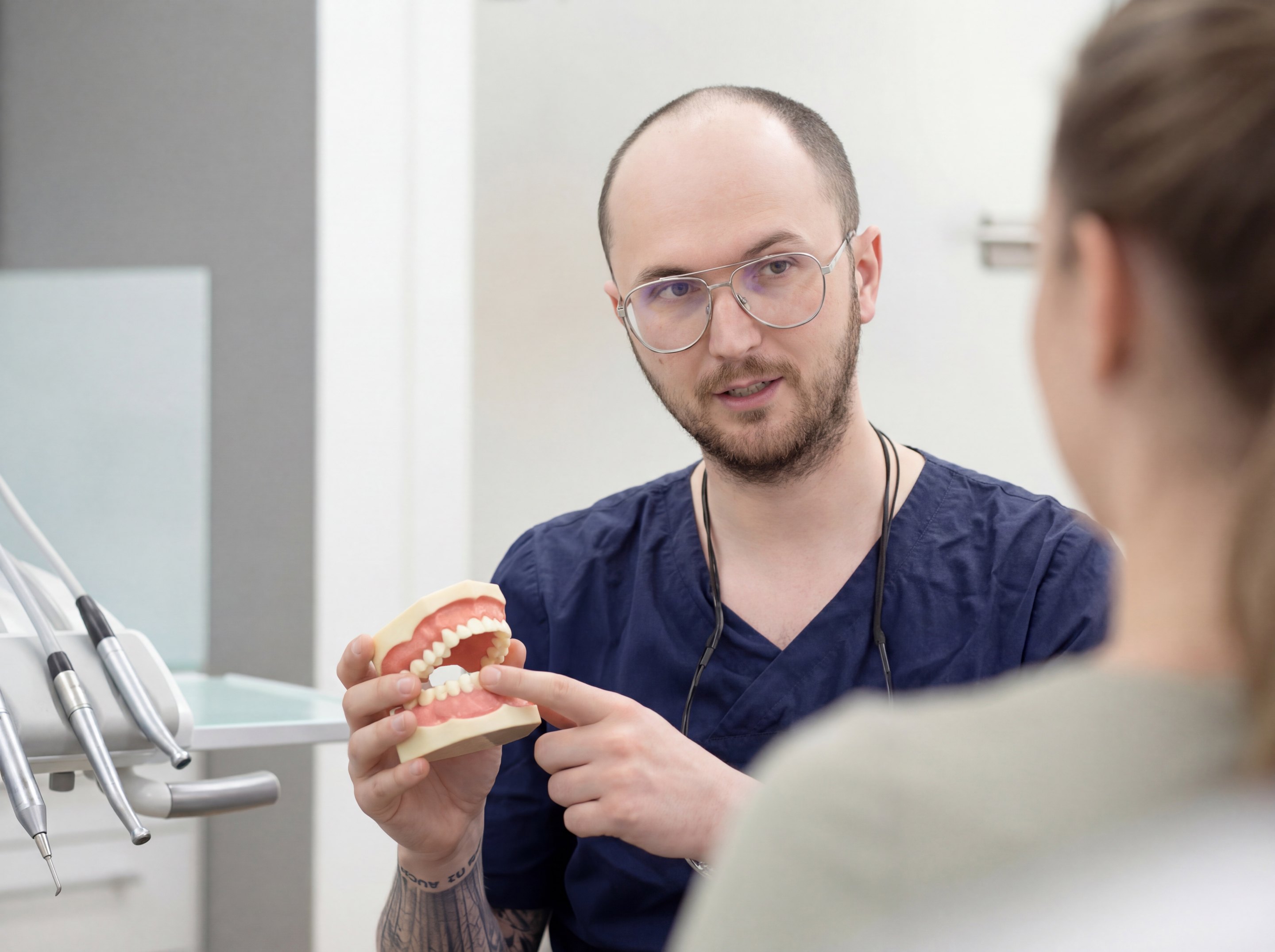
Regular check-ups help to detect tooth decay and leaking restorations early. Careful oral hygiene reduces bacterial plaque. Clean between your teeth every day too.
A night guard can be useful for night-time overloading. Damaged fillings or crowns should be checked early. An examination is also advisable after a dental injury.
Sugary snacks promote tooth decay. Water and tooth-friendly breaks between meals support oral health. You will receive individual recommendations following an examination.
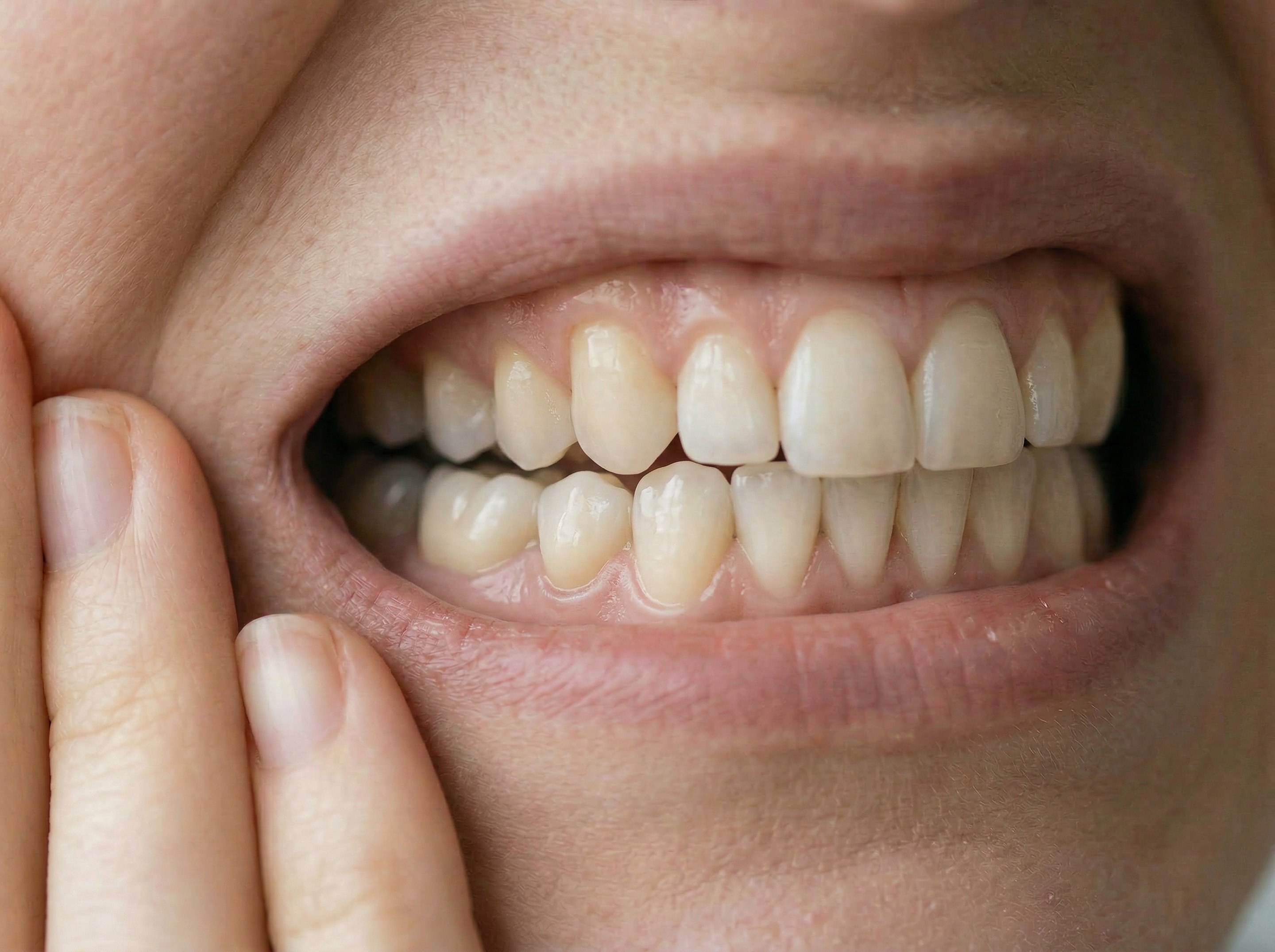
Have a throbbing tooth checked early
A throbbing tooth should not simply be monitored for a prolonged period. Symptoms may temporarily subside even though the disease is progressing. This happens, for example, when the dental pulp dies.
An early diagnosis often improves the chances of preserving the tooth. It can also prevent more extensive procedures. Wunschlachen carefully investigates the cause and explains suitable treatment steps.