
A pulling sensation in your tooth when breathing in cold air
A pulling sensation in a tooth when breathing in cold air is a common warning sign. Exposed tooth necks, thin enamel or small defects are often sensitive. Tooth decay, a leaking filling or an irritated tooth root may also be the cause. The key factor is whether the pulling sensation is brief or lingers. At Wunschlachen in Berlin, we identify the cause precisely.
Über 350 Google-Bewertungen

Why cold air causes a pulling sensation in a tooth
Cold air acts directly on sensitive tooth structures. Healthy teeth are protected by tooth enamel and gums. However, if dentine is exposed, fine tubules inside the tooth react. They transmit the cold stimulus to the tooth nerve.
The pulling sensation often occurs suddenly when breathing in deeply. Front teeth, canines and back teeth with exposed tooth necks are particularly affected. Sometimes cold winter air alone is enough.

Common causes of sensitive teeth in cold conditions
A common cause is exposed tooth necks. This happens when the gums recede. The sensitive area beneath the enamel becomes exposed, making the tooth considerably more sensitive there.
Enamel can also become thinner over time. Acidic drinks, frequent grinding or brushing too hard encourage this process. Teeth then react more quickly to cold, sweet foods or touch.
Tooth decay can also cause a pulling sensation. At first, the defect is often barely visible. As the decay penetrates deeper, the tooth becomes more sensitive. The area should then be checked promptly.
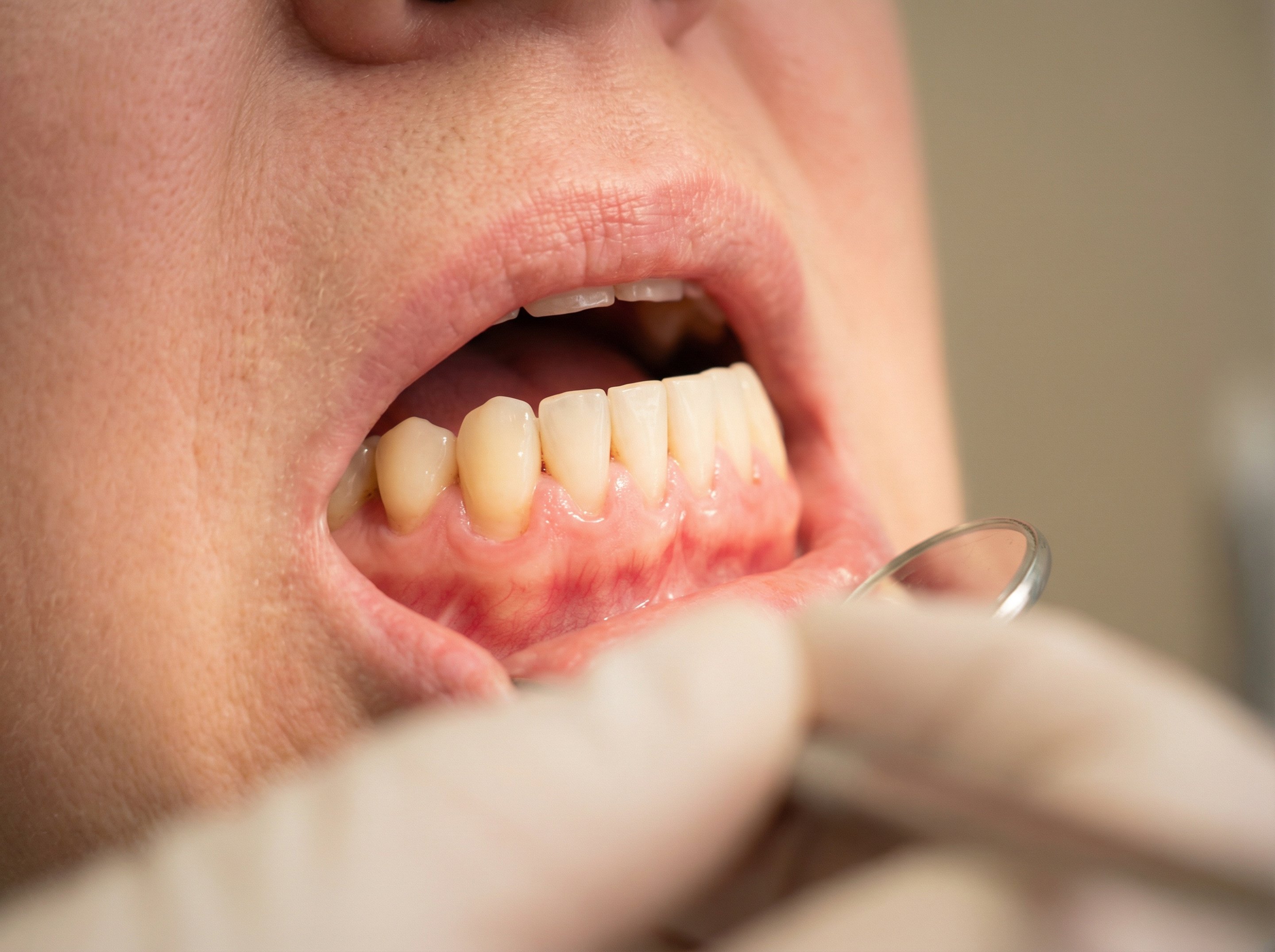
Recognising exposed tooth necks
Exposed tooth necks often cause short, stabbing sensations. The pulling sensation occurs when breathing in cold air. Cold drinks or toothpaste can also make the symptoms worse. The sensation usually subsides quickly.
Incorrect brushing technique or periodontitis are often the causes. Night-time teeth grinding can also put strain on the gums and tooth necks. In such cases, normal brushing alone is not enough. A dental check-up helps to prevent further damage.
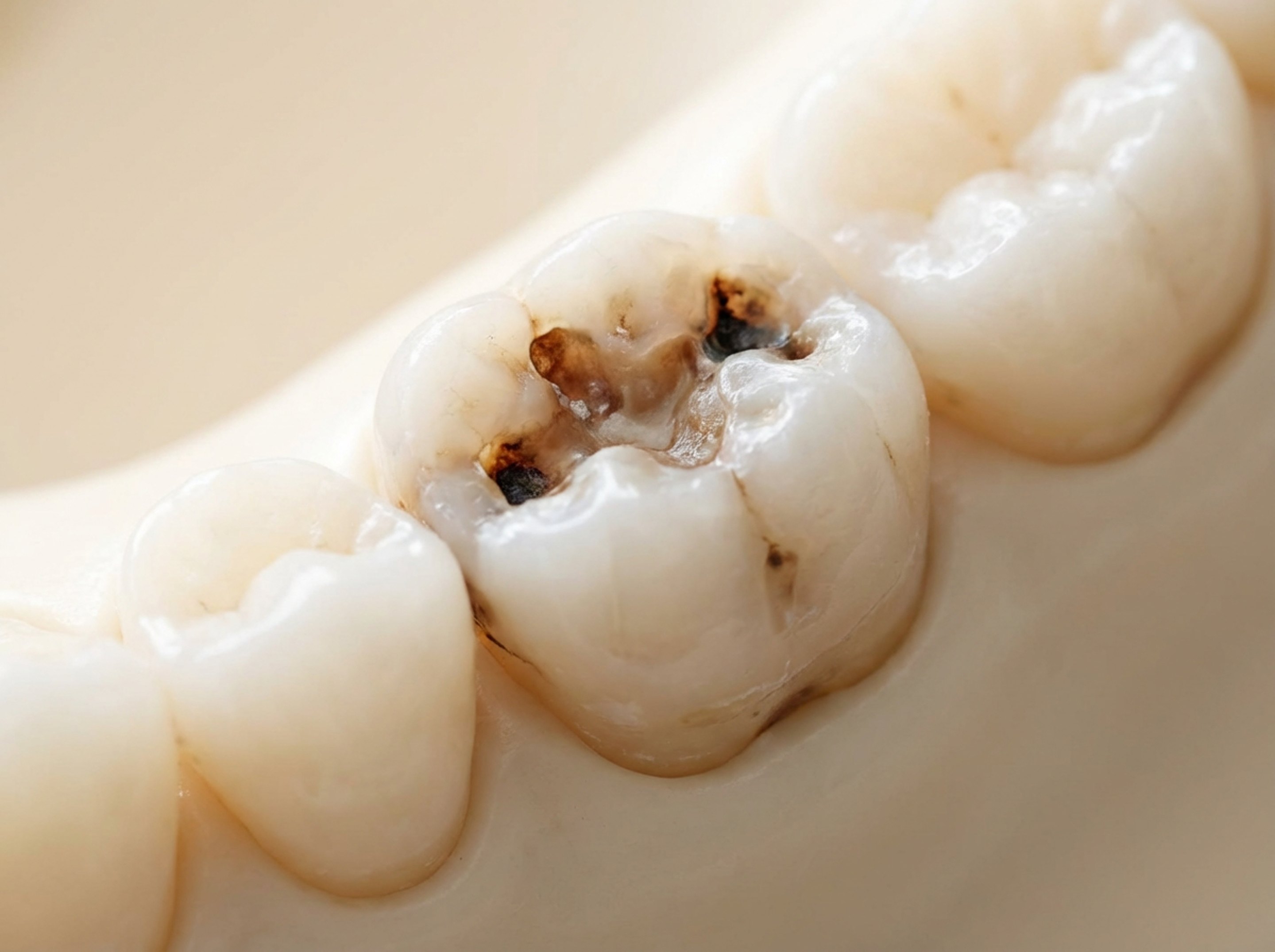
Could tooth decay or a filling be the cause?
A brief sensitivity to cold does not necessarily indicate tooth decay straight away. Nevertheless, a single sensitive tooth should be taken seriously. A pulling sensation repeatedly occurring in the same place is particularly suspicious. An unpleasant lingering sensation also suggests deeper irritation.
Leaking fillings are another possible cause. Small gaps can form between the tooth and the filling, where bacteria and food particles collect. The tooth then reacts sensitively to cold air.
Fine cracks in the tooth are also possible. They can be caused by grinding, hard foods or old fillings. Such cracks are difficult to see with the naked eye.
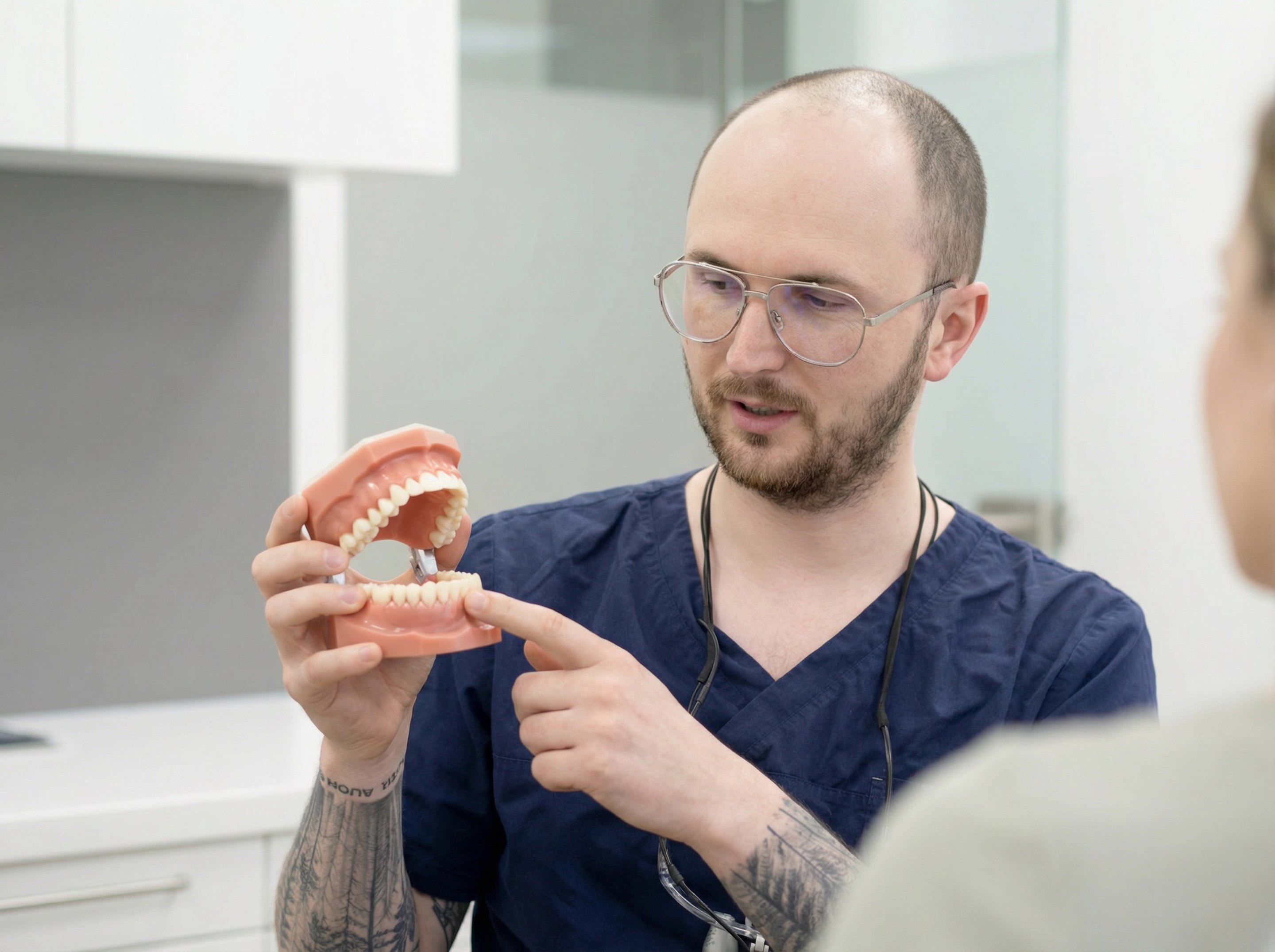
A pulling sensation when breathing after dental treatment
Teeth are sometimes more sensitive after a filling, crown or dental cleaning. The tissue has been irritated or freshly treated. However, the reaction should gradually subside. If it persists, a check-up is advisable.
After a new filling, the bite may be slightly too high. This puts greater strain on the tooth when chewing. Cold can also trigger a pulling sensation. A small adjustment can often provide noticeable relief.
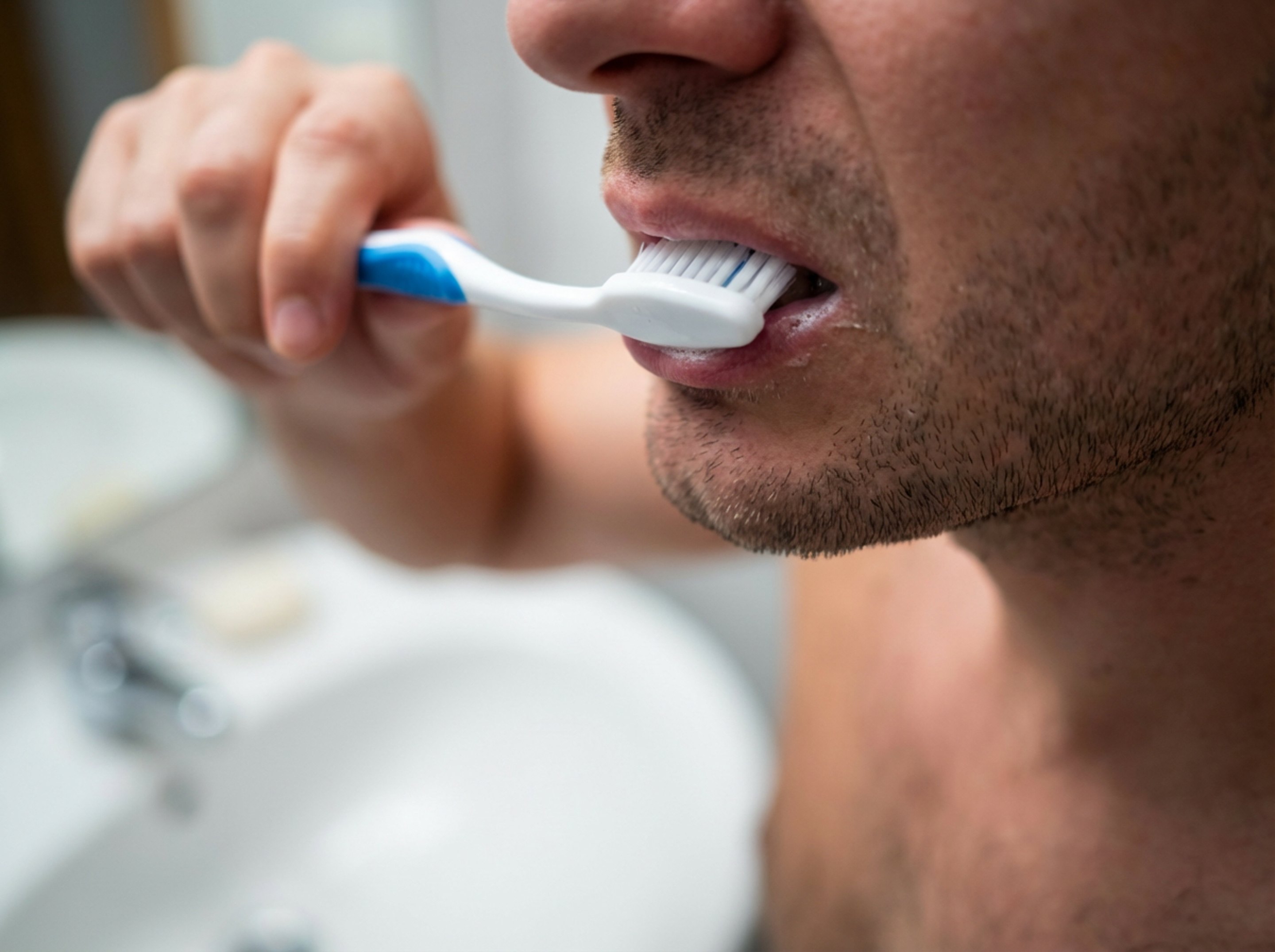
What you can do yourself
Use a toothpaste for sensitive teeth. This can gradually seal open dentinal tubules. Brush with little pressure and a soft toothbrush. Hard bristles can further irritate the tooth necks.
Avoid breathing cold air directly in through your mouth. When it is cold, breathe through your nose whenever possible. A scarf over your mouth can also help. You should be mindful of your consumption of acidic drinks.
Gentle oral hygiene is important. Wait about 30 minutes after eating acidic foods before brushing. This provides better protection for your enamel. Dental floss or interdental brushes complement your daily care.
When should you see a dentist?
A visit to the dentist is advisable if the pulling sensation occurs repeatedly. Symptoms affecting only one tooth should also be investigated. The same applies if sensitivity to cold lingers. The dental nerve may then be more severely irritated.
Seek help promptly if you experience swelling, a feeling of pressure or visible defects. Pain when chewing is also a warning sign. The earlier the cause is identified, the less extensive the treatment usually is.

Treatment at Wunschlachen in Berlin
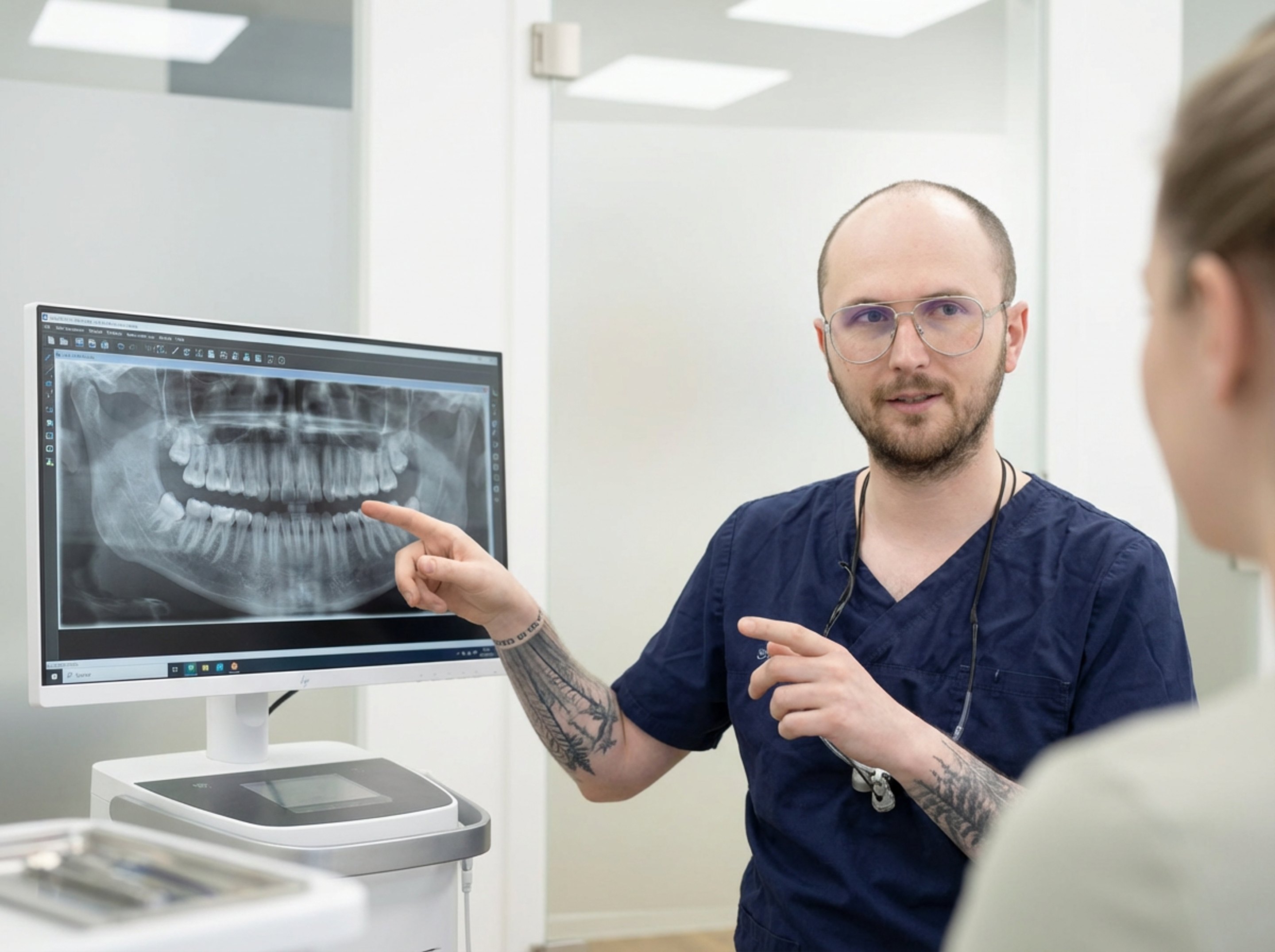
At Wunschlachen, we first determine the precise cause. This includes a visual examination, a cold test and, if necessary, digital X-rays. This allows us to identify whether the tooth neck, filling or tooth root is affected.
Exposed tooth necks can be treated with protective varnishes. Special sealants are also an option. If tooth decay is present, the damaged tooth substance is removed. The tooth is then restored so that it is stable and sealed.
If gum disease is present, we treat the inflammation specifically. For grinding, a splint can relieve strain on the teeth. This reduces further wear. The aim is a permanently stable dental condition.

Do not ignore a pulling sensation in a tooth
A pulling sensation in cold air often seems harmless at first. Nevertheless, it shows that a tooth is reacting to irritation. The cause may be simple, but it may also require treatment. An examination provides peace of mind and protects your teeth.