Tooth root inflammation: recognise symptoms and take action
Tooth root inflammation is more than just toothache. It involves inflammation of the sensitive tissue inside the tooth. Left untreated, the inflammation can spread to the jawbone and body.
Über 350 Google-Bewertungen
Inflamed tooth root: what symptoms can occur in the body?
Early signs of an inflamed tooth root include brief pain in response to cold or sweet foods and increased sensitivity; in acute cases, typical symptoms include severe, throbbing pain and sensitivity to pressure when chewing or tapping. Fever, fatigue, swollen lymph nodes and facial swelling may also occur. The inflammation can even be painless if the nerve has died, so any persistent symptoms should be assessed promptly by a dentist.
- Early signs
- Brief pain in response to cold or sweet foods, increased tooth sensitivity
- Acute symptoms
- Severe, throbbing pain, sensitivity to pressure when chewing or tapping
- Warning signs in the body
- Fever, fatigue, swollen lymph nodes, facial swelling – the inflammation can spread. Call 112 for new difficulty swallowing or breathing.
- When to see a dentist
- Immediately for persistent or recurring pain – early treatment increases the chance of saving the tooth. Call 112 for difficulty swallowing or breathing.
General information only, not a promise of healing. Please have any symptoms assessed by a dentist; diagnosis involves clinical tests and X-rays.
What is tooth root inflammation?
Inside the tooth, the dental nerve runs alongside fine blood vessels. If bacteria penetrate deep into the tooth, this tissue (the pulp) becomes inflamed. Inflammation inside the tooth is not the same as inflammation at the root tip, although both can cause similar pain; an examination is needed to determine the cause.
The tooth root is hidden in the jawbone. There is little room there for swelling and pressure. This is why inflammation in this area often causes particularly severe pain.

Symptoms in the body: When the inflammation spreads
If left untreated, the inflammation can spread and affect the whole body. Typical symptoms include a general feeling of illness and severe exhaustion. Symptoms of tooth root inflammation affecting the body can include fever.
Swollen lymph nodes in the neck area are also possible. The jaw may be visibly swollen from the outside. Prompt action and dental treatment are then necessary. Otherwise, ignoring the pain can lead to serious infections.

Causes and risk factors
The most common cause is deep caries extending to the pulp. Bacteria reach the dental nerve through a hole in the tooth. There, they trigger a painful inflammatory response.
Dental trauma can also cause inflammation of the tooth root. This includes accidents, small fractures or severe overloading. Sometimes the nerve does not die until years after the event.
Other risk factors include poor oral hygiene and smoking. Regular check-ups at the dental practice are therefore essential.

Diagnosis at the Wunschlachen practice
At our Wunschlachen practice in Berlin, we take your pain seriously. First, we discuss your symptoms in detail. This is followed by a careful examination of the affected tooth.
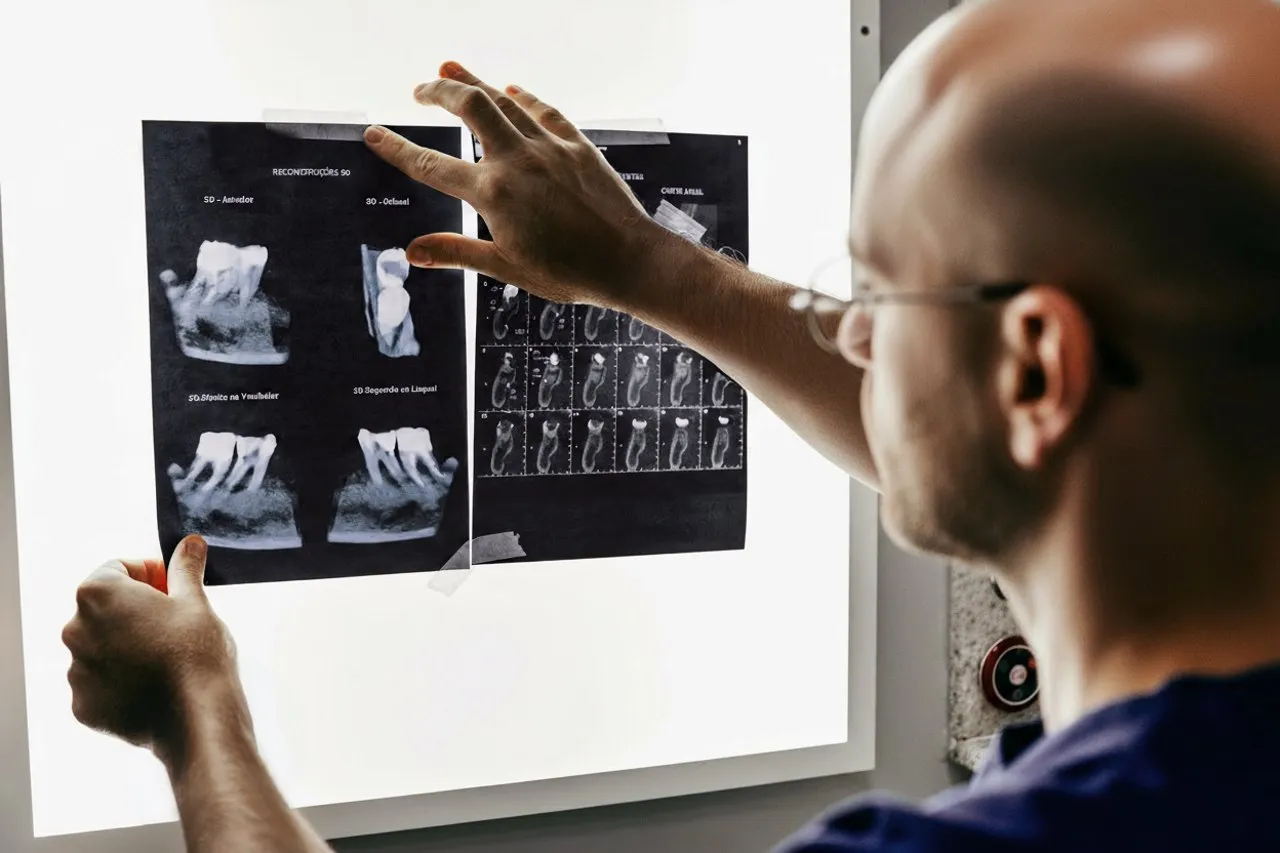
We use a cold test, percussion test and bite test to check its response. X-rays show whether there are already changes to the root. This allows us to determine the extent and location of the inflammation very precisely.
On this basis, we plan the appropriate treatment. Any existing anxiety is also taken into account in the planning.

Treatment and pain relief
The aim of treatment is to stop the inflammation of the tooth root. Root canal treatment is usually carried out under local anaesthetic. During this procedure, we remove the inflamed tissue from inside the tooth.
The root canals are thoroughly cleaned and disinfected. They are then sealed tightly to prevent bacteria entering. This allows the tissue around the root to settle.
For severe swelling, we use anti-inflammatory medication. In some cases, antibiotics are also used. They support the body in fighting the bacteria.
Throughout treatment, we ensure good pain control. Modern anaesthetic techniques make treatment almost pain-free. On request, we offer gentle, calming procedures for patients with dental anxiety.

When is root inflammation an emergency?
Certain symptoms are serious warning signs. These include severe, throbbing pain accompanied by facial swelling. If you develop new difficulty swallowing or breathing, call 112 immediately for emergency medical help in Berlin.
If your fever rises significantly, seek prompt dental assessment. Contact our practice or an emergency dental service without delay. Delayed treatment can have serious consequences for your health.
Particular care is needed if you have a pre-existing condition. These include heart valve disease or a weakened immune system. Inflammation in the mouth must never be underestimated in these cases.

How to prevent tooth root inflammation
Consistent oral hygiene is the most important protection against root inflammation. Brush your teeth carefully twice a day with fluoride toothpaste. Supplement your routine with dental floss or interdental brushes.
Regular dental check-ups are essential. This allows the Wunschlachen team to detect early signs of damage. Tooth decay can be treated before the nerve is affected.
A diet that is healthy for your teeth also plays a role. Reduce your consumption of sugary drinks and very sweet snacks. After consuming acids, give your tooth enamel time to remineralise.