Toothache: when ibuprofen no longer helps
Many patients first reach for ibuprofen for toothache. The active ingredient normally relieves pain and inflammation reliably. If the medication is barely effective, there is usually more to it than simple irritation.
Many patients then google ‘toothache ibuprofen not working’ out of sheer desperation. This usually indicates more severe inflammation. Often, the tooth root or jaw is already affected.
Über 350 Google-Bewertungen
What should you do now?
If ibuprofen has little or no effect on toothache, this usually indicates more severe inflammation – for example, deep tooth decay with inflammation of the root, an abscess or inflammation of the jaw. The recommended daily dose must never be exceeded. If the pain persists or is accompanied by swelling or fever, you should seek an urgent dental assessment from a dental practice or the emergency dental service. New difficulty swallowing or breathing requires emergency medical assessment; in Berlin, call 112.
- Possible causes
- Deep tooth decay with inflammation of the root, an abscess or inflammation of the jaw – painkillers alone will not eliminate the cause
- Warning signs
- Persistent or worsening pain despite medication, local swelling or fever: urgent dental assessment; new difficulty swallowing or breathing: emergency medical assessment (call 112 in Berlin)
- Important
- Never exceed the recommended daily amount – excessively high doses can cause serious side effects
- When to see a dentist
- Urgent dental assessment for persistent severe pain, local swelling or fever; at night or at weekends, contact the emergency dental service or go to A&E. For new difficulty swallowing or breathing, seek emergency medical help; in Berlin, call 112
General information only; no guarantee of a cure. Please only take painkillers as agreed with a doctor; the cause should be investigated by a dentist.

Why ibuprofen may not be enough for toothache
Ibuprofen inhibits signalling substances that trigger pain and inflammation. This can work very well for mild symptoms. However, this effect is often no longer sufficient for severe dental nerve pain.
The pain then comes directly from the damaged dental nerve. The pressure inside the tooth continues to rise. No tablet can permanently reduce this pressure in the tooth.
As a result, active ingredients have greater difficulty reaching their target. This is especially true of an abscess with pus formation.

Warning signs: when toothache needs urgent investigation
Toothache that does not respond to ibuprofen is a serious warning sign. This applies especially if the pain persists. Pronounced swelling of the face or jaw is also a warning sign.
Fever, malaise or difficulty swallowing may also occur. There is then a risk of the inflammation spreading. Persistent severe pain, local swelling or fever requires an urgent dental assessment. New difficulty swallowing or breathing requires emergency medical assessment; in Berlin, call 112.
Do not wait for further tablets to work better. Otherwise, self-treatment may make the situation worse.

Why higher doses are not the solution
Many people affected simply take more ibuprofen. Excessively high doses can harm the stomach, kidneys and circulation. The recommended maximum daily dose must not be exceeded.
Taking it for several days should also be discussed with a doctor. Being pain-free is no substitute for a proper diagnosis. If a medication barely helps at the normal dose, there is usually an emergency.
The inflamed tooth then needs targeted treatment. This is the only way to reliably eliminate the cause.

What the dentist can do for severe toothache
At our Wunschlachen practice, we first investigate the exact cause. This includes X-rays and a thorough clinical examination. This allows us to determine whether the nerve, root or jaw is affected.
Root canal treatment often helps with inflammation of the tooth root. The inflamed tissue inside the tooth is removed. This often allows the tooth to be preserved long term.
If an abscess is present, the pus must be drained. An antibiotic may also be prescribed if necessary. The dentist decides this based on your individual situation.

Alternative painkillers and complementary therapies
Ibuprofen is not always the right choice. Other painkillers sometimes work better. The choice depends on pre-existing conditions and other medications.
Paracetamol is a suitable alternative for some patients. Combination therapy is also considered for severe inflammation. Local measures can also help.
External cooling can temporarily relieve the swelling. You should avoid heat in the painful area, however.
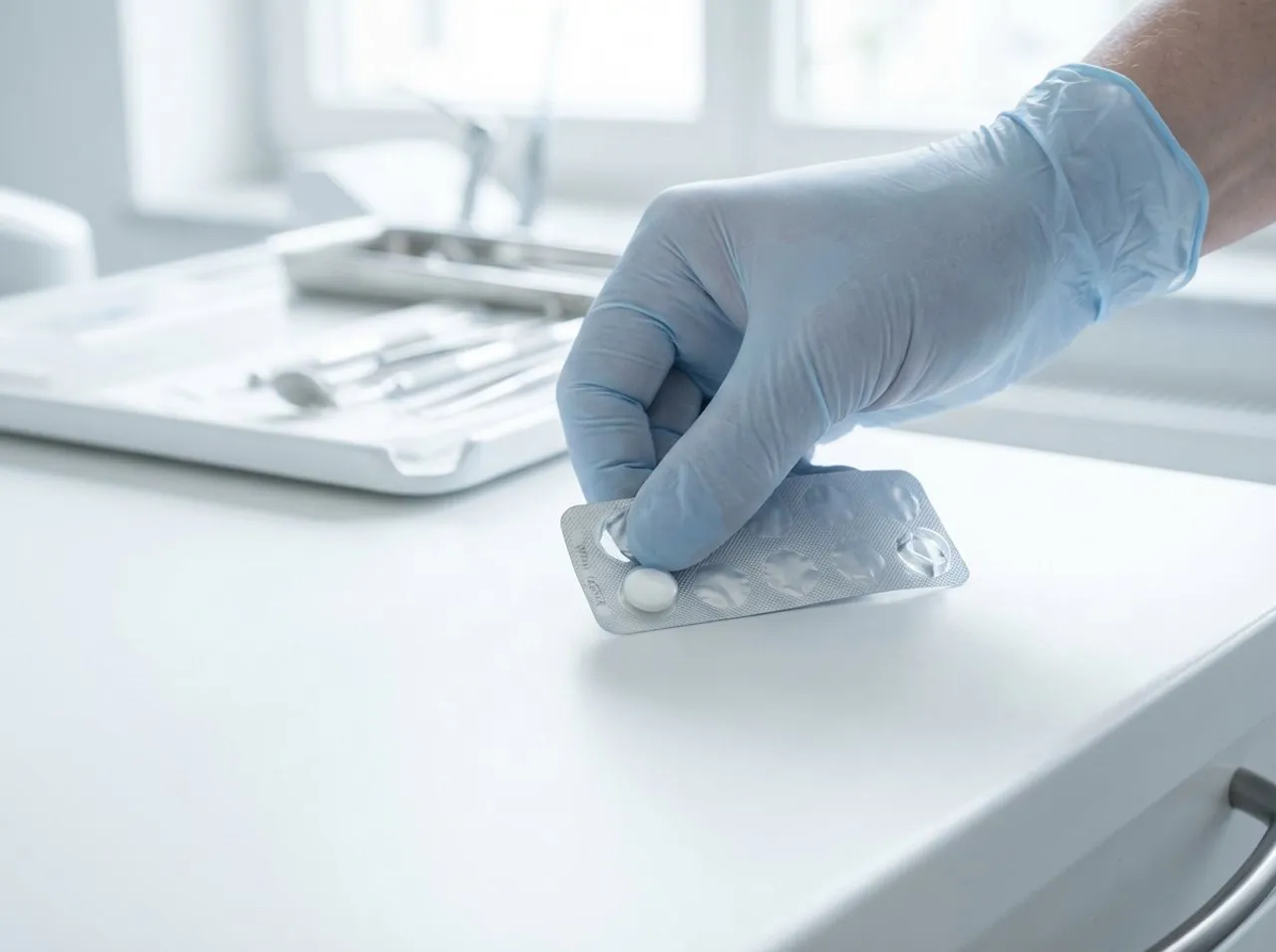
What you can do yourself about toothache
Only take painkillers as recommended. Increasing the dose on your own is always dangerous. Do not mix different preparations without seeking advice.
Avoid hard foods on the affected side. Very hot or cold drinks can make the pain worse. Smoking also delays healing in the mouth.
Rinse your mouth carefully with lukewarm water. Mouthwashes containing alcohol are unsuitable. Above all, make an appointment with your dentist early.
Action is needed, especially if you have toothache and ibuprofen is not helping. The earlier we treat you, the better the chances of healing.