
Trigeminal neuralgia: causes, symptoms and treatment
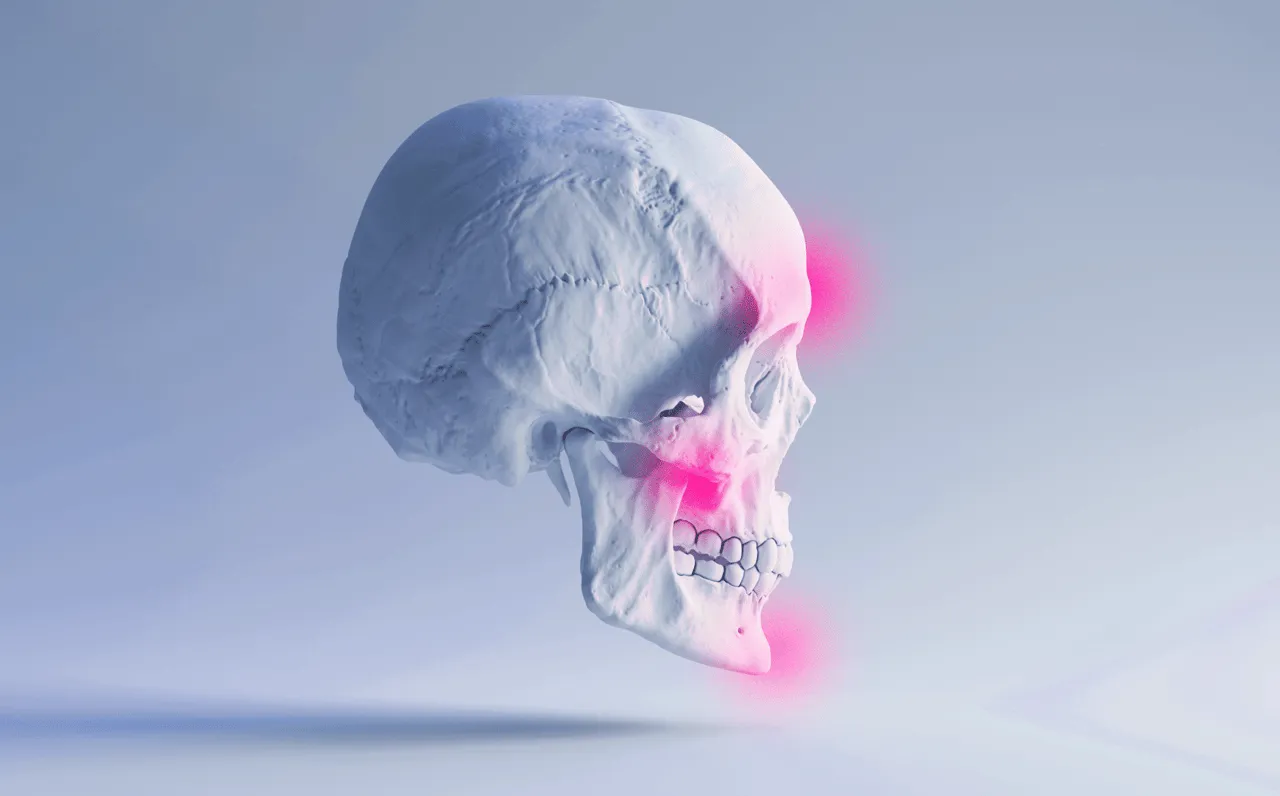
Trigeminal neuralgia is a very painful condition affecting the trigeminal nerve, one of the largest nerves in the face. This nerve divides into three branches and supplies the forehead, cheeks and chin. If this nerve becomes irritated or compressed, it can cause severe pain...
Über 350 Google-Bewertungen
The short answer
Trigeminal neuralgia is a condition of the trigeminal nerve involving sudden attacks of pain, usually on one side of the forehead, cheek or chin. These feel like electric shocks and are often triggered by speaking, chewing or touch. Because the symptoms resemble toothache, an accurate medical diagnosis is important. Treatment is usually with medication, and in severe cases surgery may also be used.
- Typical causes
- A blood vessel often presses on the trigeminal nerve; multiple sclerosis may also be involved. Stress and jaw tension may trigger or worsen symptoms rather than cause classic trigeminal neuralgia, while pain following previous dental procedures may be post-traumatic neuropathic pain.
- Warning signs
- Stabbing pain on one side of the face lasting seconds to minutes, triggered by everyday stimuli – easily confused with toothache.
- Treatment
- Usually medication prescribed by a doctor (anticonvulsants such as carbamazepine); surgery if needed. Physiotherapy, relaxation techniques or a dental splint may address coexisting conditions, but are not treatments for trigeminal neuralgia itself.
Does not replace medical advice; diagnosis and treatment require neurological or dental assessment as appropriate.
Symptoms of trigeminal neuralgia
The symptoms of the condition are usually very clear. Those affected often report severe pain that starts suddenly and can last from seconds to minutes. This pain generally occurs on one side of the face. It affects the areas supplied by the trigeminal nerve: the forehead, cheeks or chin.
Another characteristic feature is that pain can be triggered by everyday activities such as speaking, chewing or even touch.
Clicking or cracking in the jaw joint is not a common symptom of trigeminal neuralgia and may instead be associated with a temporomandibular disorder. Trigeminal neuralgia typically causes facial pain that feels like an electric shock. In many cases, the condition is mistaken for toothache because the symptoms are similar to those associated with dental problems.

Causes of trigeminal neuralgia
The exact causes of the condition have not yet been fully researched. However, there are some factors that increase the risk.
In many cases, the trigeminal nerve is compressed. This often happens when a blood vessel presses on the nerve, irritating the nerve fibres. This irritation leads to the characteristic pain.
Another possible cause of the condition is multiple sclerosis (MS), along with other conditions that damage the nerve sheaths. Stress and muscle tension are not established causes of trigeminal neuralgia, although they may act as precipitating factors for symptoms rather than underlying causes.
Dental treatments, such as tooth extractions or surgery, can in some cases be followed by post-traumatic trigeminal neuropathic pain, which is distinct from classical trigeminal neuralgia. Inflammation of a tooth root or toothache can also be confused with the symptoms of trigeminal neuralgia. This makes an accurate diagnosis all the more important.

Treating trigeminal neuralgia
The treatment of trigeminal neuralgia depends on the severity of the symptoms and the underlying causes. In most cases, drug treatment is used. Medicines used for trigeminal neuralgia include, in particular, anticonvulsants such as carbamazepine or oxcarbazepine. They relieve pain by dampening excessive electrical activity in the nervous system.
Another treatment option is surgery if medicines are not sufficiently effective. Surgery for trigeminal neuralgia may involve microvascular decompression, in which the blood vessel pressing on the nerve is removed or redirected. In some cases, percutaneous rhizotomy is also performed, in which the affected nerve tissue is selectively destroyed to block the transmission of pain.
Physiotherapy exercises and dental splints are not treatments for trigeminal neuralgia, although they may be appropriate for independently diagnosed coexisting jaw or dental problems.

What should you do if you have trigeminal neuralgia?
If you suffer from the condition, you should first consult a doctor or a specialist in jaw joint disorders. The doctor will carry out a thorough examination to make an accurate diagnosis. If trigeminal neuralgia is triggered by stress, relaxation techniques or psychotherapy may also be helpful in reducing stress and relieving the symptoms.
Treatment can be successful in many cases, especially if the condition is recognised early. It is important that you seek professional help if you suffer from the typical symptoms of the condition.

Trigeminal neuralgia – toothache
As the symptoms of trigeminal neuralgia are often mistaken for toothache, it is important to consult a doctor or specialist in trigeminal neuralgia to determine the exact cause of the pain. In some cases, toothache can actually be caused by the condition, particularly when the pain occurs in the area of the teeth and jaw.

How do I find a doctor for trigeminal neuralgia?
If you suspect you have trigeminal neuralgia, you should consult a specialist in jaw joint disorders or a neurologist. A doctor can determine the exact cause of your symptoms and recommend suitable treatment.
FAQs about trigeminal neuralgia
It is a painful condition of the trigeminal nerve that causes severe facial pain, often around the jaw, cheeks or forehead.
The most common symptoms include stabbing, sudden facial pain, especially when speaking, chewing or touching the affected areas.
Trigeminal neuralgia can be caused by compression of the trigeminal nerve, stress, dental problems or jaw injuries.
Diagnosis involves a thorough examination by a doctor or specialist, who confirms the symptoms using imaging techniques and neurological tests.
Anticonvulsants such as carbamazepine are often used to relieve nerve pain.
Yes, surgery may be necessary in severe cases.
Reducing stress can help reduce the symptoms. Physiotherapy exercises and dental splints are not treatments for trigeminal neuralgia, although they may help with independently diagnosed coexisting jaw or dental problems.
Trigeminal neuralgia often causes sudden, severe facial pain that is frequently mistaken for toothache.
The duration of treatment varies depending on the severity of the symptoms and the chosen therapy. In many cases, several weeks to months are needed to achieve a significant improvement.
Some supplementary dental insurance policies cover the cost of dental splints and other aids for independently diagnosed coexisting dental or jaw problems, rather than for trigeminal neuralgia itself. It is advisable to check the exact terms of your insurance policy.