
How can I support wound healing after having a tooth removed?
Protect the blood clot in the wound, do not disturb it by rinsing vigorously or touching it, and initially eat soft foods that are not hot, in accordance with the aftercare instructions. If post-operative bleeding persists but is not heavy, follow your practice's instructions on applying pressure and contact your dental practice urgently. If heavy bleeding is uncontrolled despite applying pressure, call 112 (Berlin) immediately for emergency medical help. Contact your dental practice urgently about worsening symptoms. No specific healing time can be promised.
- Protect the clot
- The blood clot is important for wound healing. Do not touch the wound with your fingers or tongue, and avoid vigorous rinsing unless your practice advises otherwise.
- Eat carefully
- Initially choose soft foods that are not hot and avoid putting pressure on the extraction site when chewing where possible.
- Take the healing process seriously
- Persistent or heavy post-operative bleeding, as well as increasing pain or swelling, should be assessed by a dentist urgently; follow your practice's instructions on applying pressure. If heavy bleeding is uncontrolled despite applying pressure, call 112 (Berlin) immediately for emergency medical help.
In this article
Checklist: Supporting wound healing after a tooth extraction
This guidance does not replace your practice's individual aftercare instructions. The aim is to protect the wound, not to force it to heal within a specific period.
- Leave the blood clot undisturbed
Do not suck on the wound, touch it with your fingers or tongue, or rinse vigorously. Brushing and rinsing should follow your practice's instructions.
- Choose foods carefully
Initially eat soft foods that are not hot, chew on the other side where possible and avoid injury while the anaesthetic is still wearing off.
- Assess post-operative bleeding correctly
Small amounts of blood may be present. If bleeding starts again, follow your practice's instructions to apply pressure with a clean gauze pad. If bleeding continues but is not heavy, contact the practice promptly for an urgent assessment. If heavy bleeding is uncontrolled despite applying pressure, call 112 (Berlin) immediately for emergency medical help.
- Seek advice if symptoms worsen
If pain or swelling increases rather than improves, have a dentist assess the healing process. Do not treat the wound with home remedies on your own initiative.
Wound healing after tooth extraction – Basic measures
The blood clot protects the fresh wound after tooth removal. If the practice inserts a swab, bite down on it for as long as you have been instructed. Avoid vigorous rinsing and leave the wound alone. If it starts bleeding again or you are unsure how to handle the swab, follow the treatment team's instructions and ask if necessary.
Speeding up wound healing in the mouth: Make sure you do not drive yourself after the extraction. The anaesthetic may still be having an effect, impairing your reactions.
Wound care during the healing phase
Immediately after the tooth extraction, you should take some additional precautions to support wound healing. To avoid injuring the soft tissue, you should not eat any solid food while the anaesthetic is still effective. Water and lukewarm teas are good alternatives.
Speeding up wound healing in the mouth: It is important to use cold compresses immediately after tooth removal. Cool your cheek repeatedly for about 20 minutes, followed by a 20 to 30-minute break from cooling.
Make sure you do not place cold compresses directly on your skin. This could result in skin damage such as frostbite. Dry towels provide protection here.
Brushing your teeth and oral hygiene after tooth removal
It is completely normal for the wound to need time to heal after a tooth extraction. The surface may start to improve within a few days, but deeper healing takes longer. To support the wound-healing process, avoid the wound when brushing your teeth for the first three to four days, unless your practice has given you different procedure-specific aftercare instructions.
Continue to clean your remaining teeth carefully and treat the area around the extraction wound particularly gently, in accordance with the instructions you have received. Avoid vigorous rinsing, repeated spitting and touching the wound with your fingers, tongue or objects, so that the protective blood clot is not dislodged. Do not start intensive rinsing on your own initiative. If you are unsure when and how to clean the wound area again, ask your practice rather than relying solely on a general timetable.
Diet and wound healing
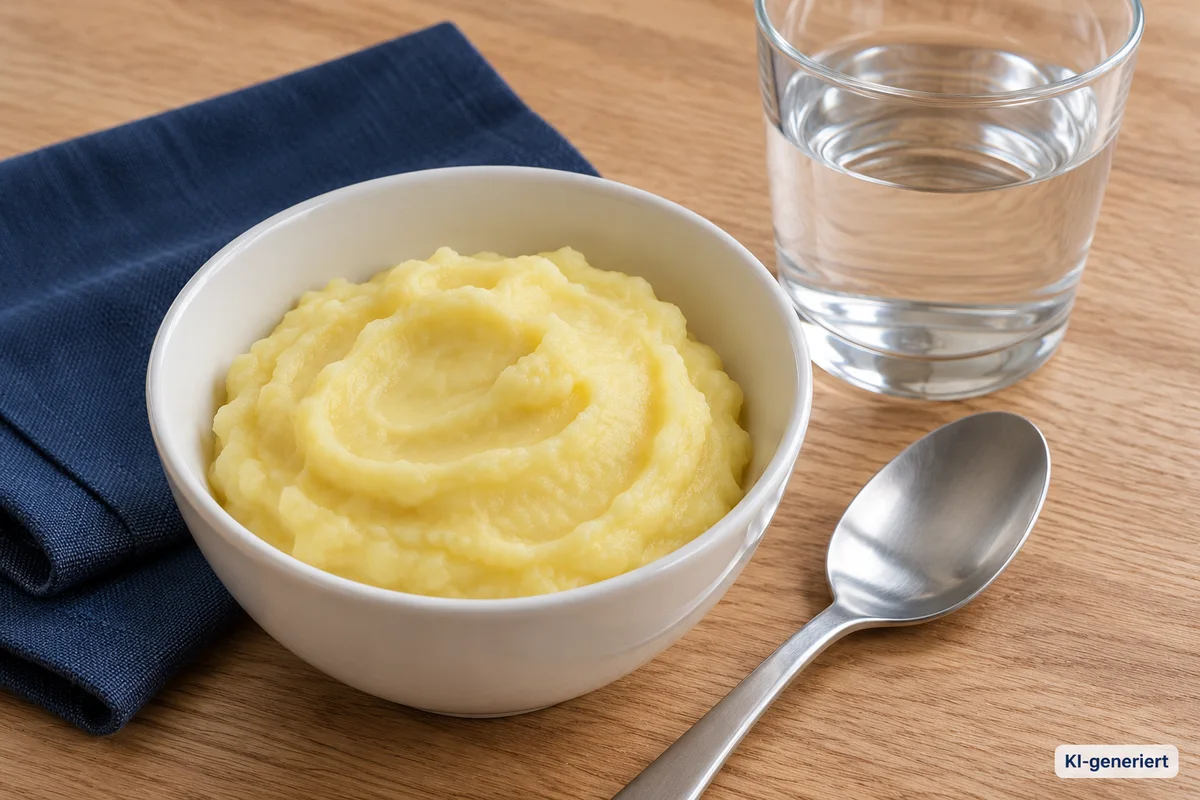
Once the anaesthetic has worn off, initially choose soft, preferably lukewarm foods and chew on the other side where possible. Drink plenty of water and allow very hot food and drinks to cool first. Crumbly or hard foods can irritate the wound. Discuss with the practice treating you which restrictions are appropriate for your procedure and when you can eat normally again.
Swelling and post-operative bleeding
Slight swelling may occur after the surgical procedure. How the swelling develops depends on the type and extent of the procedure. It may initially increase and should then improve overall. Keeping your head elevated while sleeping or resting can help reduce the swelling. If the swelling is very pronounced, cold compresses may also be helpful.
Small amounts of blood may occur after an extraction. If post-operative bleeding occurs, follow your practice's instructions on applying pressure with a clean gauze pad. If bleeding continues but is not heavy, contact your dental practice promptly for an urgent assessment. If heavy bleeding is uncontrolled despite applying pressure, call 112 (Berlin) immediately for emergency medical help. No general duration is specified for normal post-operative bleeding.
Avoiding risk factors
Some risk factors can significantly impair wound healing. It is strongly recommended that you avoid alcohol, strong coffee and nicotine throughout the healing phase. Strenuous physical activity or competitive sport should also be avoided, as they can increase the risk of post-operative bleeding. However, there is no reason to worry about everyday activities, as long as they do not involve extreme physical exertion.
Pain management and medication
Mild wound discomfort is common and varies from patient to patient. Pain can be relieved with painkillers recommended by your dentist or pharmacist.
Take prescribed medication exactly as directed. An antibiotic is not required after every tooth extraction; whether one is prescribed depends on the dental assessment. Tell your practice about any allergies or intolerances.
Wound healing after 10 days
After around ten days, the edges of the incision should have closed sufficiently for the symptoms to subside significantly. From this point, you can also return to your normal oral hygiene routine and care for your teeth thoroughly. However, it is recommended that you continue to treat the wound area gently to support complete healing.
Frequently asked questions
How can I speed up wound healing after a tooth extraction?
Maintain good oral hygiene, avoid risk factors such as smoking and alcohol, and follow all of your dentist's post-operative instructions.
When can I eat normally again after a tooth extraction?
For the first few days, you should eat soft foods and avoid hard, spicy or hot foods.
When can I brush my teeth again after a tooth extraction?
Continue cleaning your other teeth. Be careful around the wound area and follow the advice of the practice treating you.
Which foods should I avoid after a tooth extraction?
Once the anaesthetic has worn off, initially choose soft, preferably lukewarm foods and follow your aftercare instructions.
What can I do if I have severe pain after a tooth extraction?
Consult your dentist, who can prescribe painkillers. Avoid strenuous physical activity that could make the pain worse.
How long does it take for the wound to heal completely after a tooth extraction?
How long the wound takes to heal depends on the procedure and the recovery process. The mucous membrane looking better on the surface does not mean that the tissue underneath has completely healed.
How can I reduce swelling after a tooth extraction?
Regularly cool your cheek with cold compresses and keep your head slightly elevated while sleeping.
Is it normal to bleed after a tooth extraction?
Some blood in your saliva may occur after a tooth extraction. If bleeding continues or becomes heavier, follow the aftercare instructions you were given, including applying pressure with a clean gauze pad, and contact your dental practice promptly for an urgent assessment. If heavy bleeding is uncontrolled despite applying pressure, call 112 (Berlin) immediately for emergency medical help.
Can I exercise after a tooth extraction?
Avoid strenuous physical activity or competitive sport during the phases of wound healing.
What should I do if the wound looks inflamed after a tooth extraction?
Contact your dentist immediately so that any possible infection can be treated early.
What can I eat after having a tooth removed?
Initially, soft foods that are not hot are suitable. Try not to chew on the extraction side and wait to eat until the local anaesthetic has worn off sufficiently for you to avoid injuring yourself without noticing. Your practice's individual instructions take precedence.
What should I do if I experience post-operative bleeding?
Follow your dental practice's instructions, typically applying pressure to the wound with a clean gauze pad. If bleeding continues but is not heavy, or you are unsure, contact your dental practice promptly for an urgent assessment. If heavy bleeding is uncontrolled despite applying pressure, call 112 (Berlin) immediately for emergency medical help. No generally applicable duration for post-operative bleeding can be inferred from this.
Sources
- Dental extractions – post-operative instructions
Applies to general aftercare following tooth extractions and supports protecting the blood clot, a gentle diet, what to do about post-operative bleeding and seeking advice if symptoms worsen. No guarantee is given for a particular healing process or a fixed healing time.