Peri-implantitis – when a dental implant becomes inflamed
A dental implant offers a modern, aesthetic and long-lasting solution for replacing lost teeth. Good oral hygiene is essential to help keep the implant securely anchored in the jawbone. This is because inflammation can occur around implants, just as it can around natural teeth.
If the inflammation is limited to the soft tissues, this is known as peri-implant mucositis. Peri-implantitis is diagnosed when there is also progressive loss of the bone supporting the implant. But what exactly is it? How can you recognise it? How is it treated, and what can you do yourself?
Über 350 Google-Bewertungen
The short answer
Peri-implantitis is a bacterial inflammation of the tissue surrounding a dental implant, which affects the gums and jawbone and causes progressive loss of the supporting bone. If left untreated, it can lead to loss of the implant. It is usually caused by plaque in hard-to-reach areas. The signs are similar to those of periodontitis; as they are often subtle at first, early diagnosis significantly improves the prospects for treatment.
- Typical causes
- Bacterial plaque in hard-to-reach areas around the implant; made more likely by poor oral hygiene, smoking and an unfavourable implant position.
- Warning signs
- Redness and swelling, bleeding gums, bad breath, discharge of pus, receding gums, pressure or pain when chewing and, later, loosening of the implant.
- When to see a dentist
- Seek advice promptly if you notice one or more of these signs, as early treatment makes it easier to preserve the implant.
This is not a substitute for personalised dental advice.
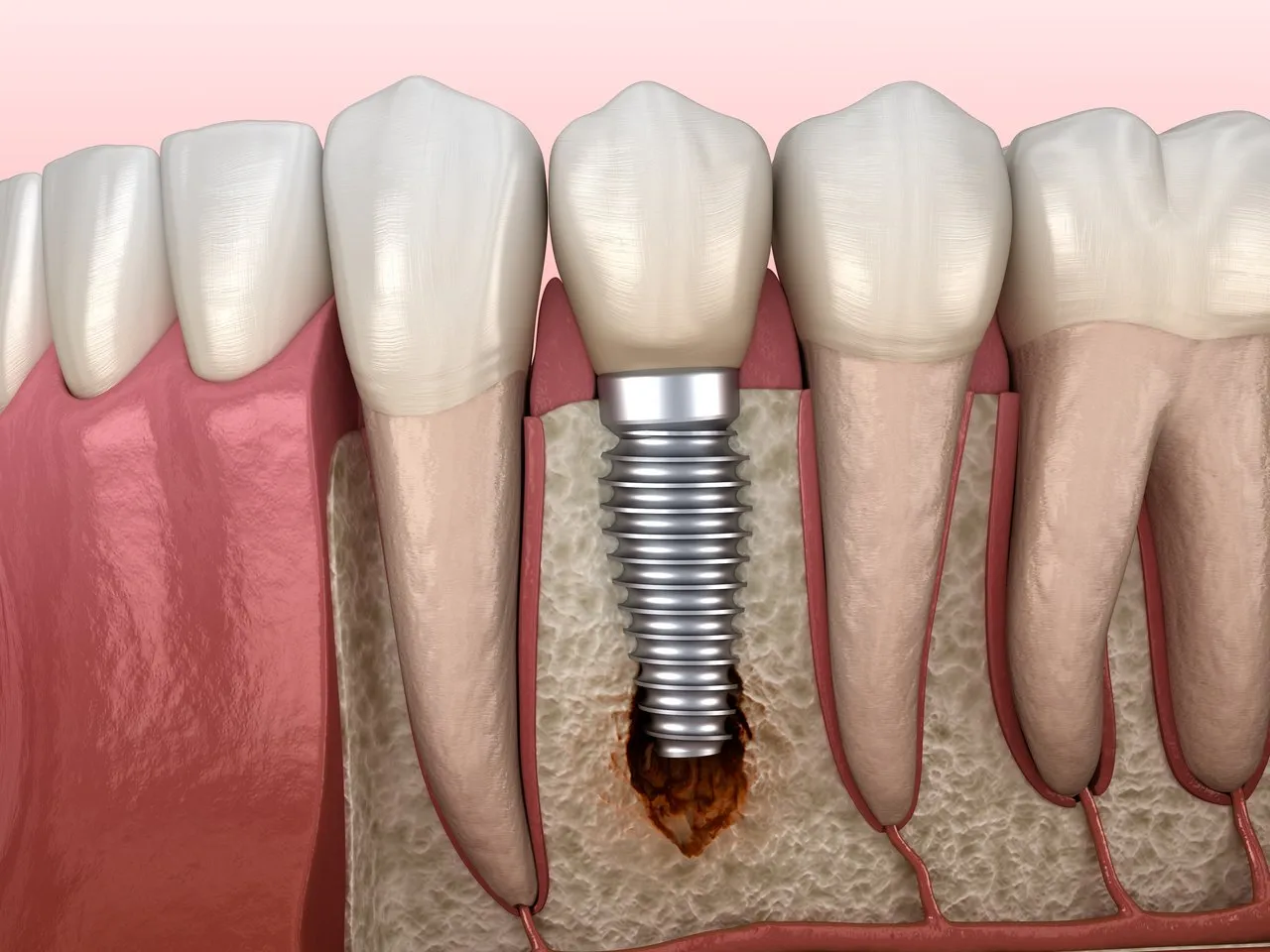
What is peri-implantitis?
Peri-implantitis is an inflammatory disease of the tissue surrounding a dental implant. It affects both the gums and the underlying bone. This leads to a breakdown of the jawbone. If the inflammation is not recognised and treated in time, it can result in the loss of the implant.
The question ‘What is peri-implantitis?’ can therefore be answered clearly. It is a bacterial infection that can gradually destroy the tissue around the implant. The cause is usually bacterial plaque, which accumulates in hard-to-reach areas and puts the immune system under strain.
Recognising the symptoms of peri-implantitis
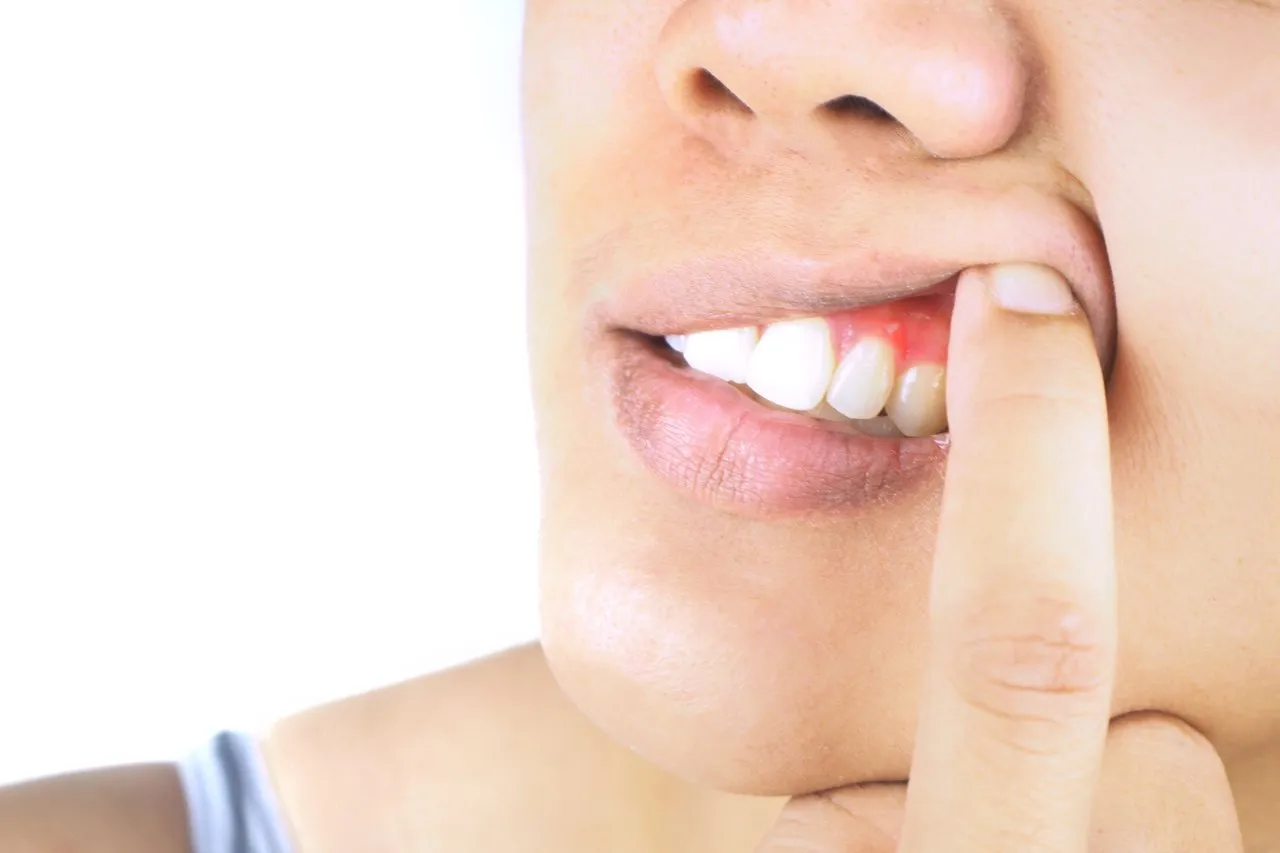
The symptoms are similar to those of periodontitis. Initially, they are often inconspicuous, which makes diagnosis difficult. As the condition progresses, the following signs appear:
• Redness and swelling of the gums around the implant
• Bleeding when brushing your teeth
• Bad breath
• Discharge of pus from the gum pocket
• Receding gums
• Pain or a feeling of pressure when chewing
• Loosening of the implant in advanced stages
Anyone who notices one or more of these signs should see a dentist promptly. An early diagnosis significantly improves the chances of successful treatment.
Peri-implantitis treatment and therapy
Treatment for peri-implantitis depends on the severity of the inflammation and is provided in stages. Initial professional care includes thorough cleaning and antibacterial measures, such as the removal of bacterial deposits, disinfectant mouthwashes and the use of special gels where appropriate. The response to treatment is then reassessed.
If the inflammation is more advanced or persists, surgery may be necessary depending on the clinical findings. During peri-implantitis surgery, the inflamed tissue is removed and the implant is cleaned; reconstruction of the jawbone is considered only in selected cases. Where surgery is clinically appropriate, timely treatment can offer a good chance of preserving the implant.
Laser-based procedures are not routinely required and should not be assumed to provide an additional benefit. Regenerative techniques for new bone formation may also be considered in selected cases. In some cases, however, the loss of the implant cannot be avoided.

Treating peri-implantitis yourself – is it possible?
Many patients search the internet for ways to treat peri-implantitis themselves or for suitable home remedies for peri-implantitis.
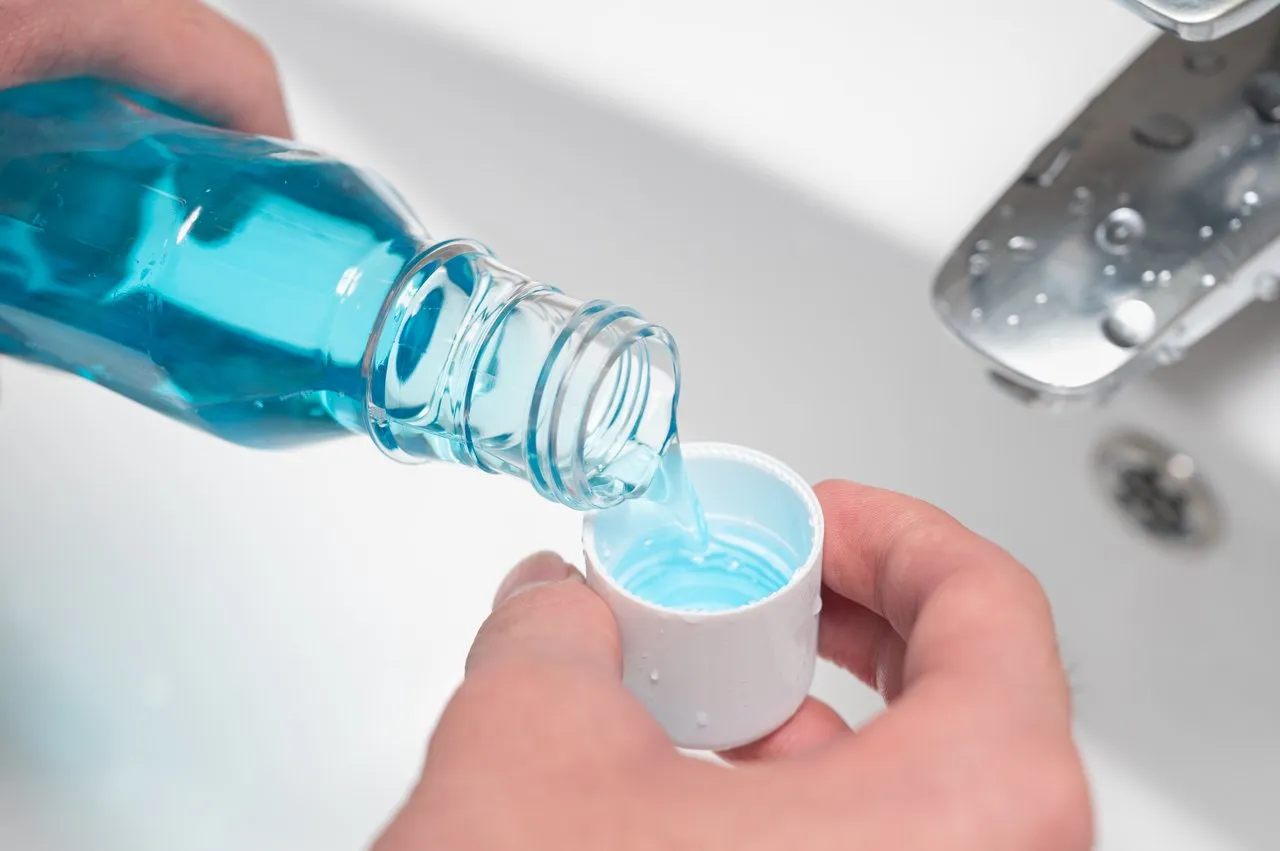
Improved oral hygiene, antibacterial mouthwashes and a low-sugar diet can help. However, this is only to a limited extent. This approach can support the oral flora, but it cannot cure the inflammation.
Treating peri-implantitis yourself without having a dentist professionally remove the cause is not recommended. The bacteria are located deep within the gum pockets and cannot be reached with ordinary toothbrushes or mouthwashes. Anyone who delays seeking treatment for too long risks not only losing the implant, but also the spread of the inflammation.
Home remedies for peri-implantitis – support, but not a cure
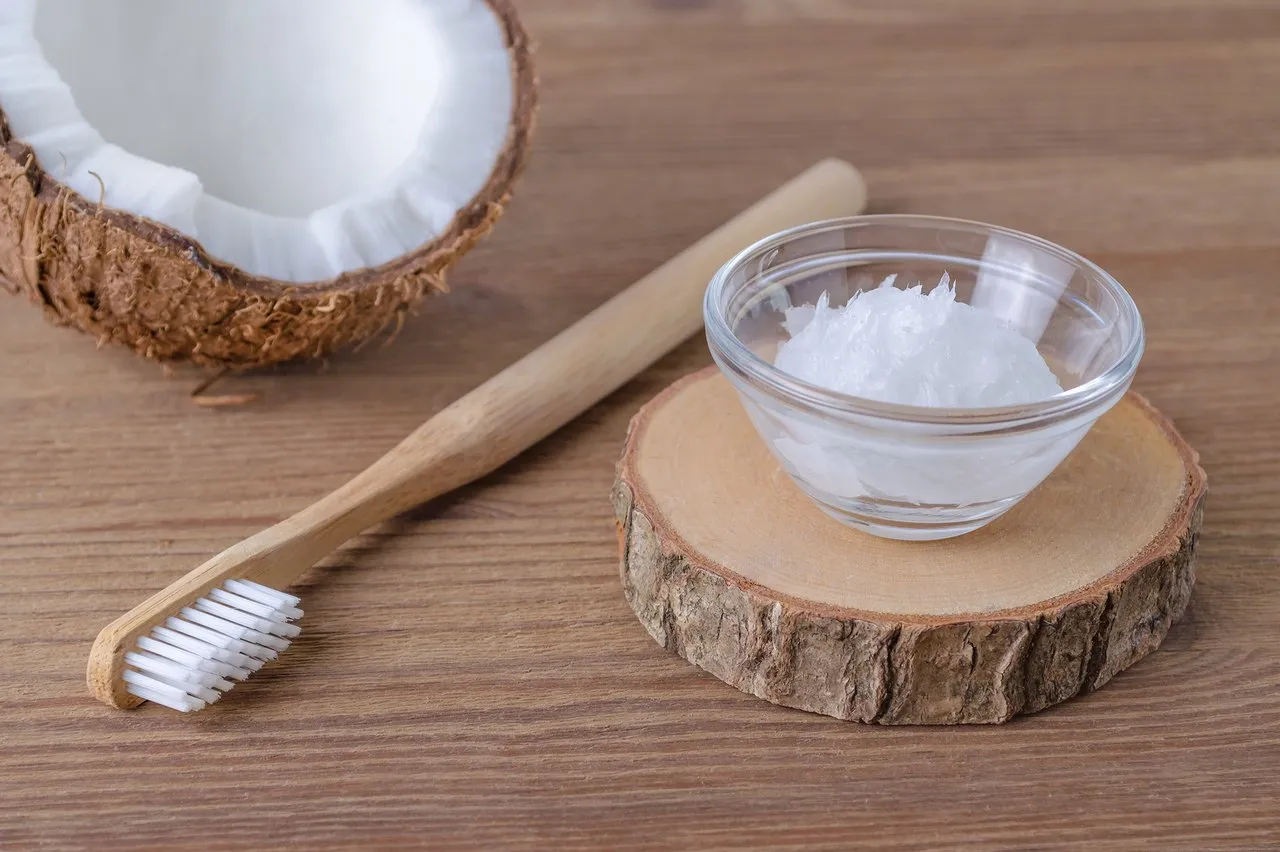
As a supportive measure, home remedies such as sage tea, chamomile rinses or coconut oil may help relieve symptoms in the short term. However, these products only have a superficial effect, do not treat peri-implantitis and cannot replace professional treatment. They should never be used as the sole measure; timely professional dental assessment is important if peri-implant inflammation is suspected.
Prevention is the best treatment
The best treatment for this condition is prevention. Patients with dental implants should therefore pay attention to the following points:
• Thorough daily oral hygiene, including the use of interdental brushes
• Regular professional teeth cleaning at the dental practice
• Close monitoring of the implants
• Not smoking
• Treatment of pre-existing conditions such as diabetes
At our Wunschlachen dental practice in Berlin, we offer an individually tailored preventive care programme for implant patients. We help you keep your risk of developing the condition as low as possible.
Our conclusion
What is peri-implantitis? It is a serious condition that can be brought under control with early diagnosis and professional treatment. Anyone with a dental implant should not ignore possible symptoms and should attend regular check-ups. Our Wunschlachen practice supports you with experience, modern technology and personalised care.