Skip to content
The periodontal treatment process – step by step

The periodontal treatment process – step by step

Periodontal treatment protects teeth and gums from further tissue loss. It stops the inflammation and stabilises the supporting structures of the teeth. At Wunschlachen in Berlin, we explain every step of your treatment clearly.

Über 350 Google-Bewertungen

The short answer

The process: assessment, cleaning below the gum line, a check-up after three to six months, then two years of aftercare. The other side: tooth necks are exposed and the teeth look longer.

Procedure
Initial consultation, assessment with a probe and X-rays, professional teeth cleaning, closed cleaning of the root surfaces, irrigation and aftercare.
Costs
With the appropriate clinical findings, largely covered by statutory health insurance; your individual plan will explain the scope and any additional services before treatment begins.
Pockets that close
around 74 out of 100 (95% confidence interval 64 to 85); around a quarter remain
Sensitive tooth necks
before treatment 9 to 23%, afterwards 54 to 55% of those treated; most pronounced in weeks 1 to 3, then decreasing
Duration of aftercare
two years; depending on the grade, this includes two (A), four (B) or six (C) aftercare sessions of supportive periodontal therapy (SPT)
First check-up after treatment
three to six months after completion of anti-infective therapy

The aftercare figures come from the G-BA's PAR guideline, in force since 1 July 2021. The rate of closed pockets and the figures for sensitive tooth necks come from review articles; the latter is based on only two individual studies.
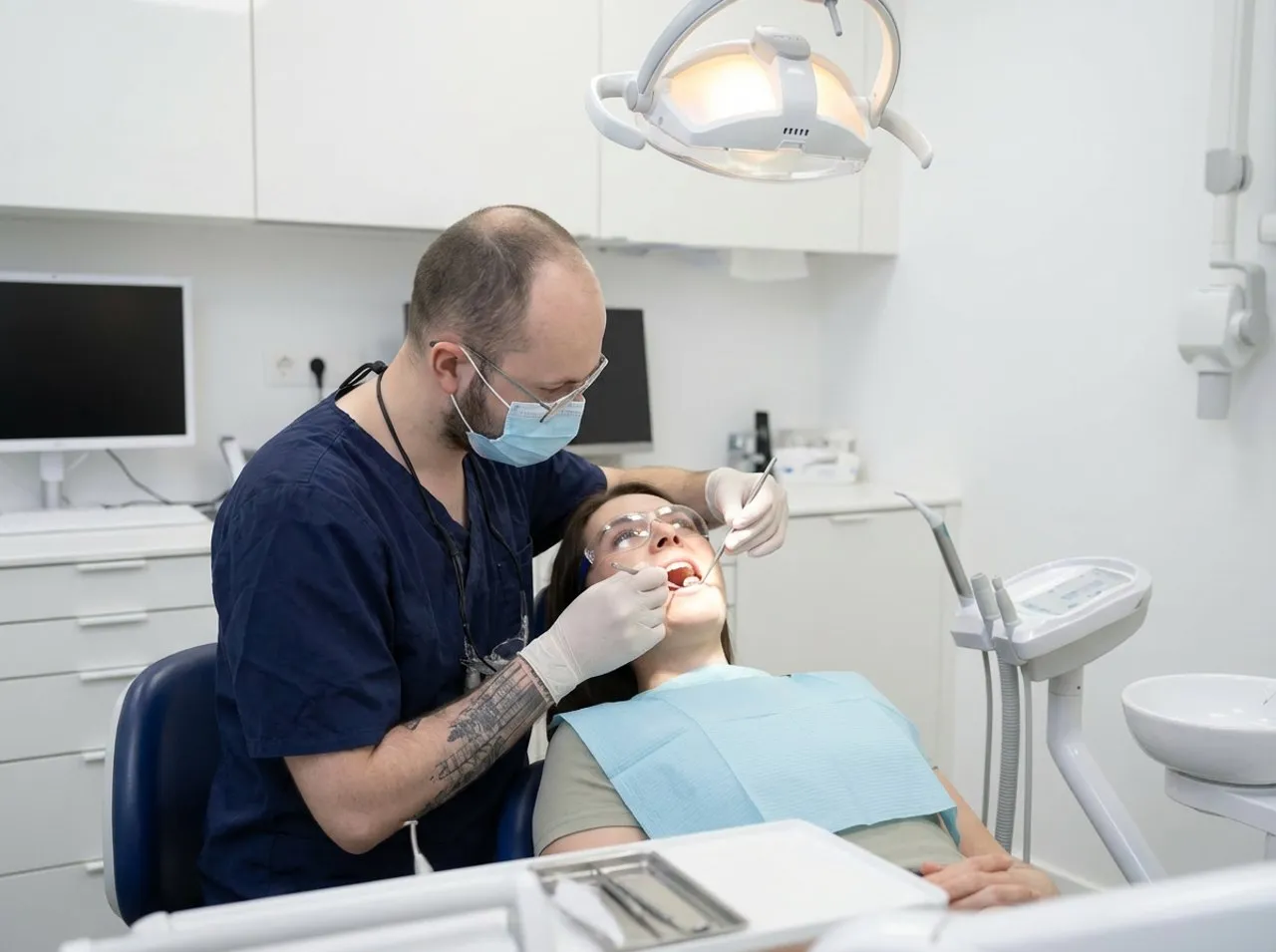
Dentist wearing a face mask examining a female patient's teeth in the dental chair

What does periodontal treatment involve?
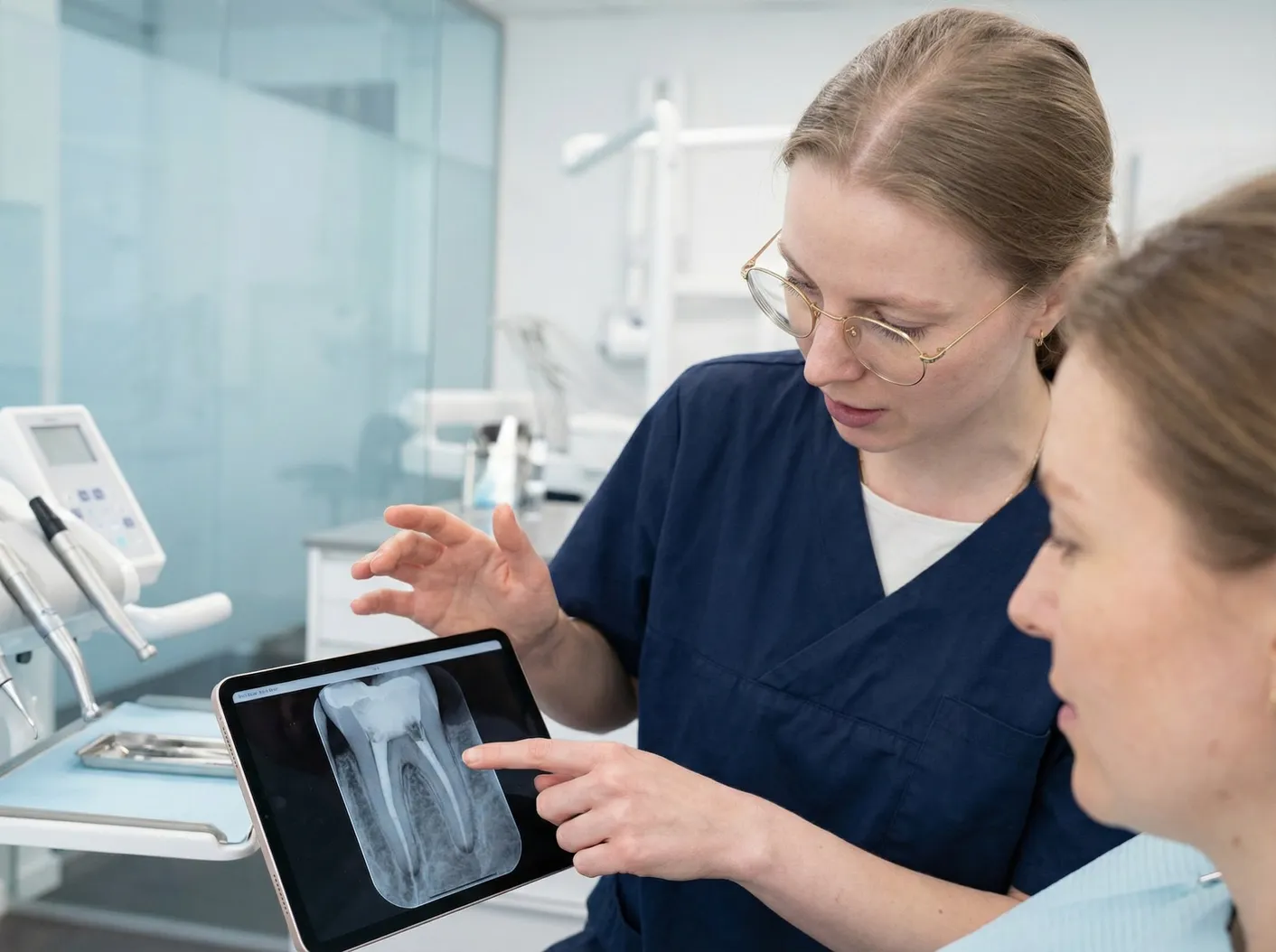
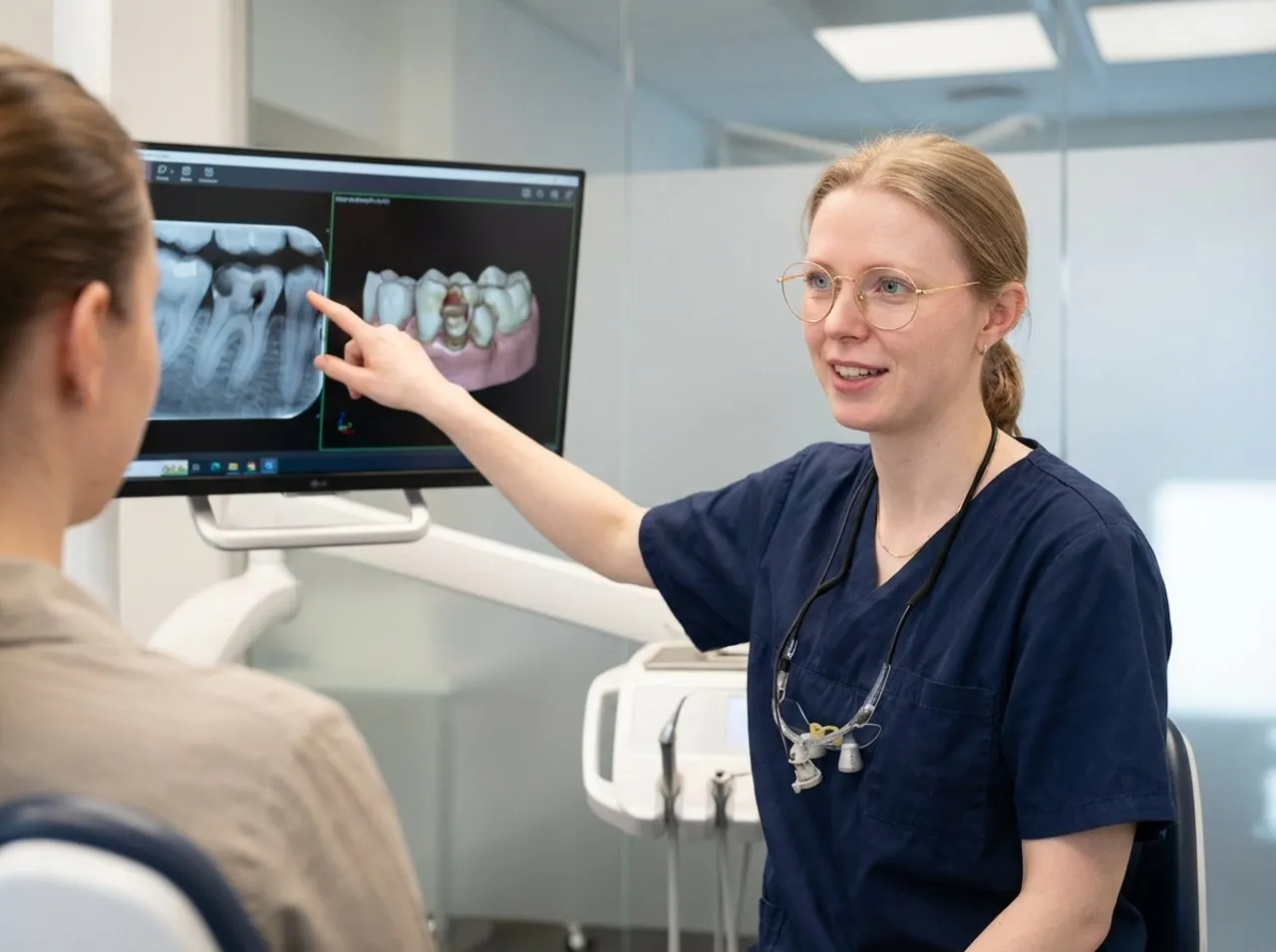
Female dentist showing a patient an X-ray of a tooth on a tablet

Preparation and initial consultation

How is the assessment carried out?
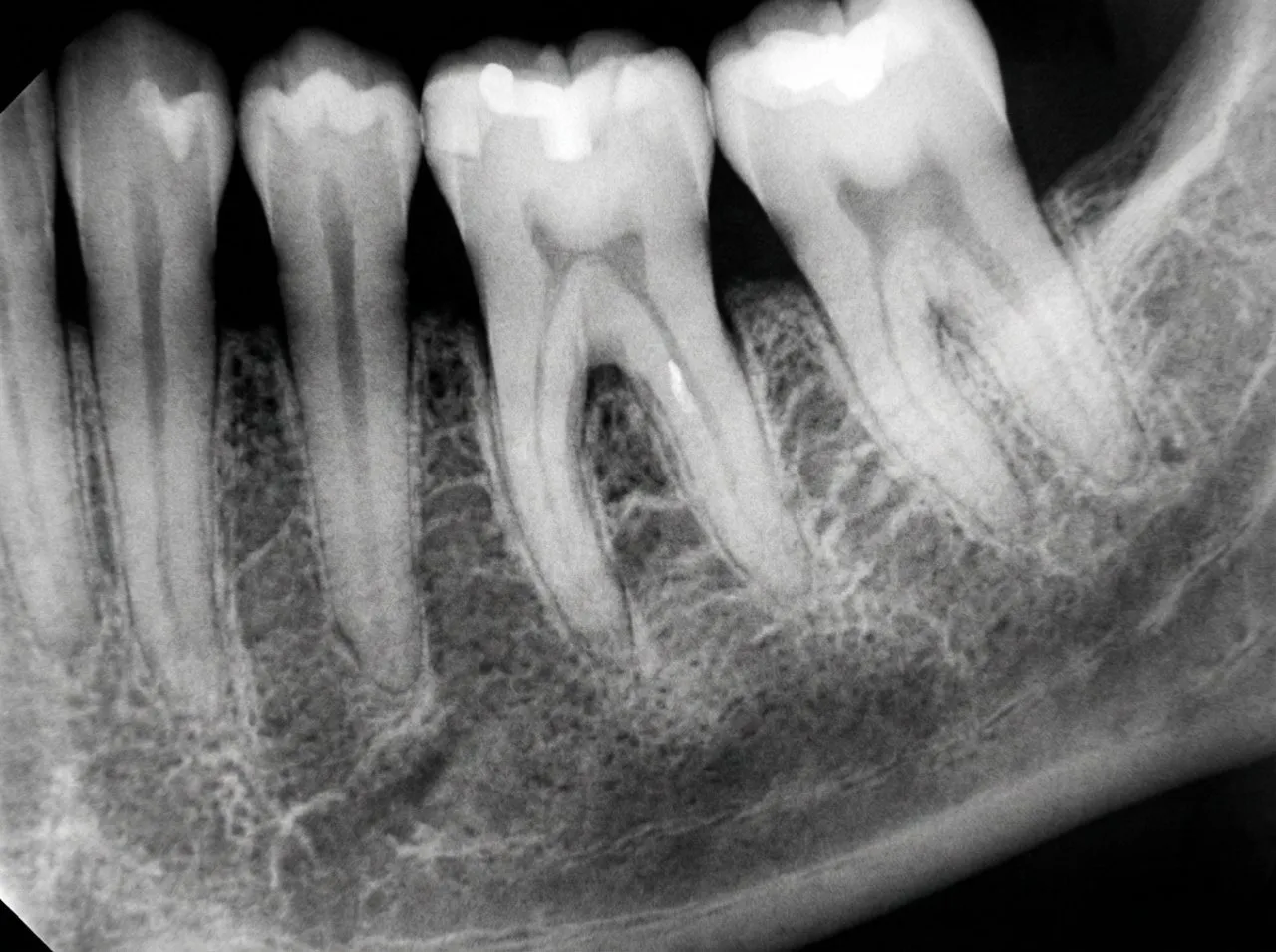
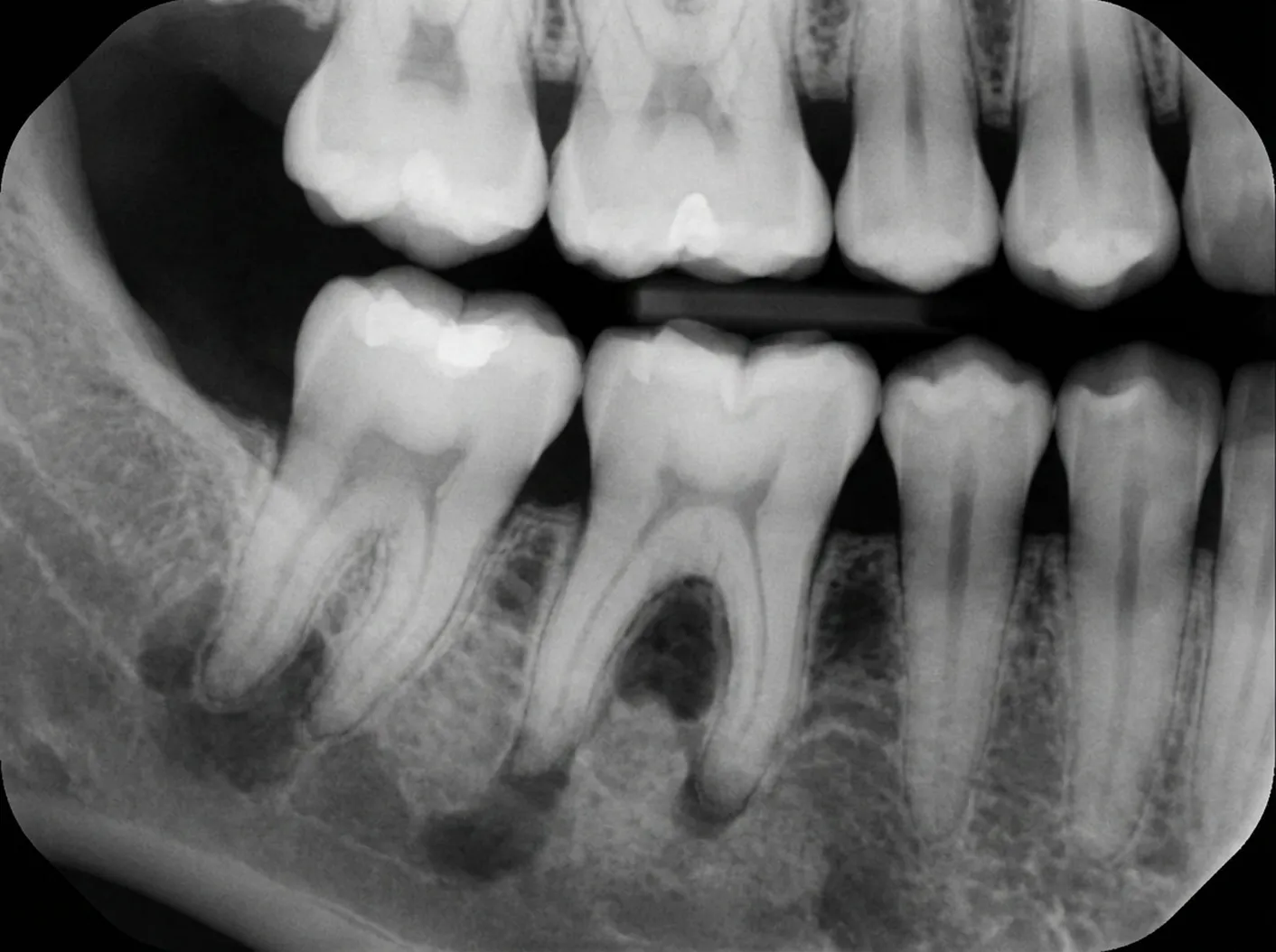
X-ray of back teeth in the lower jaw with roots and jawbone
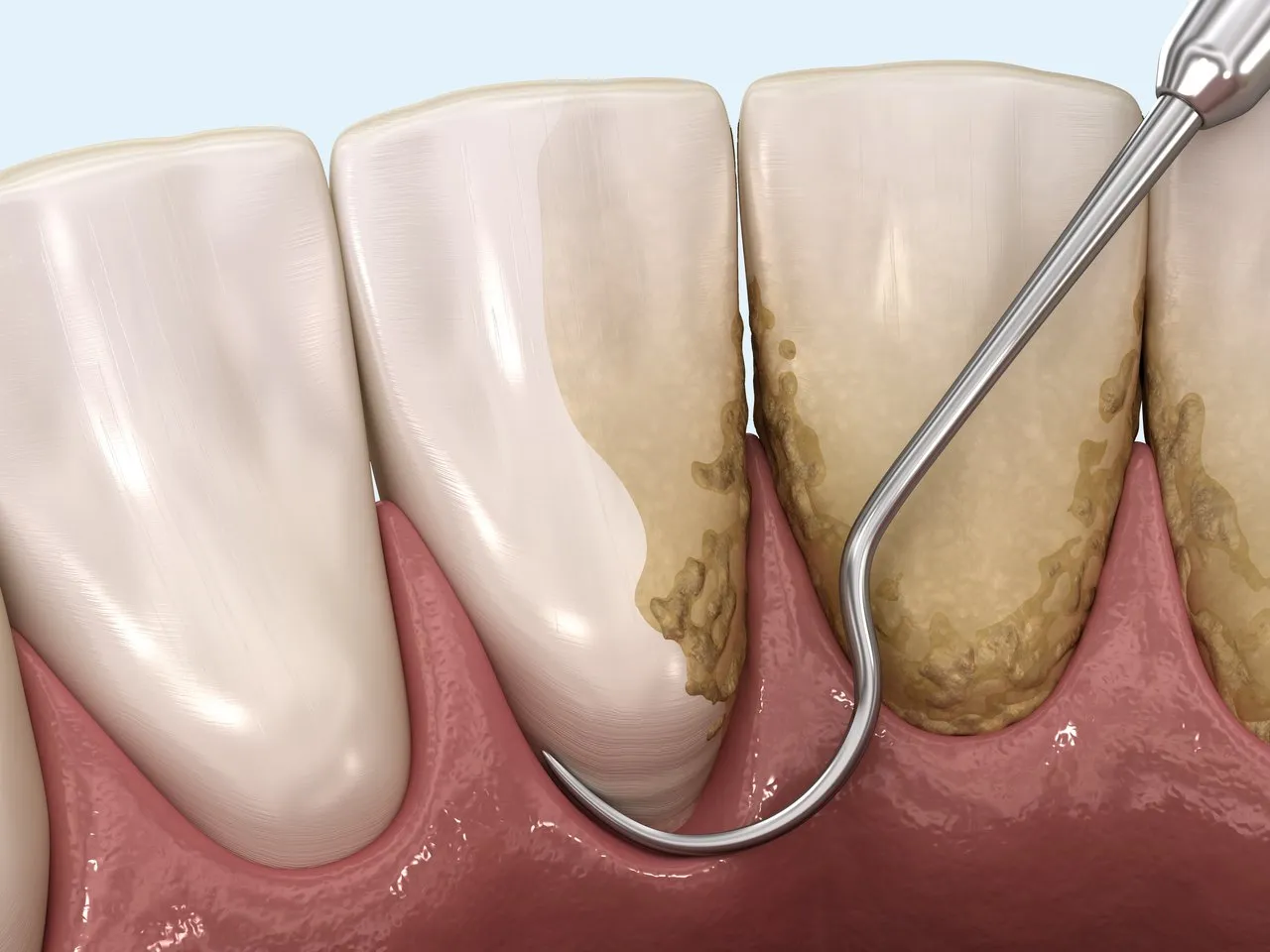
3D illustration: A curved hand instrument removing tartar at the gum line

Professional teeth cleaning: is it part of the treatment?

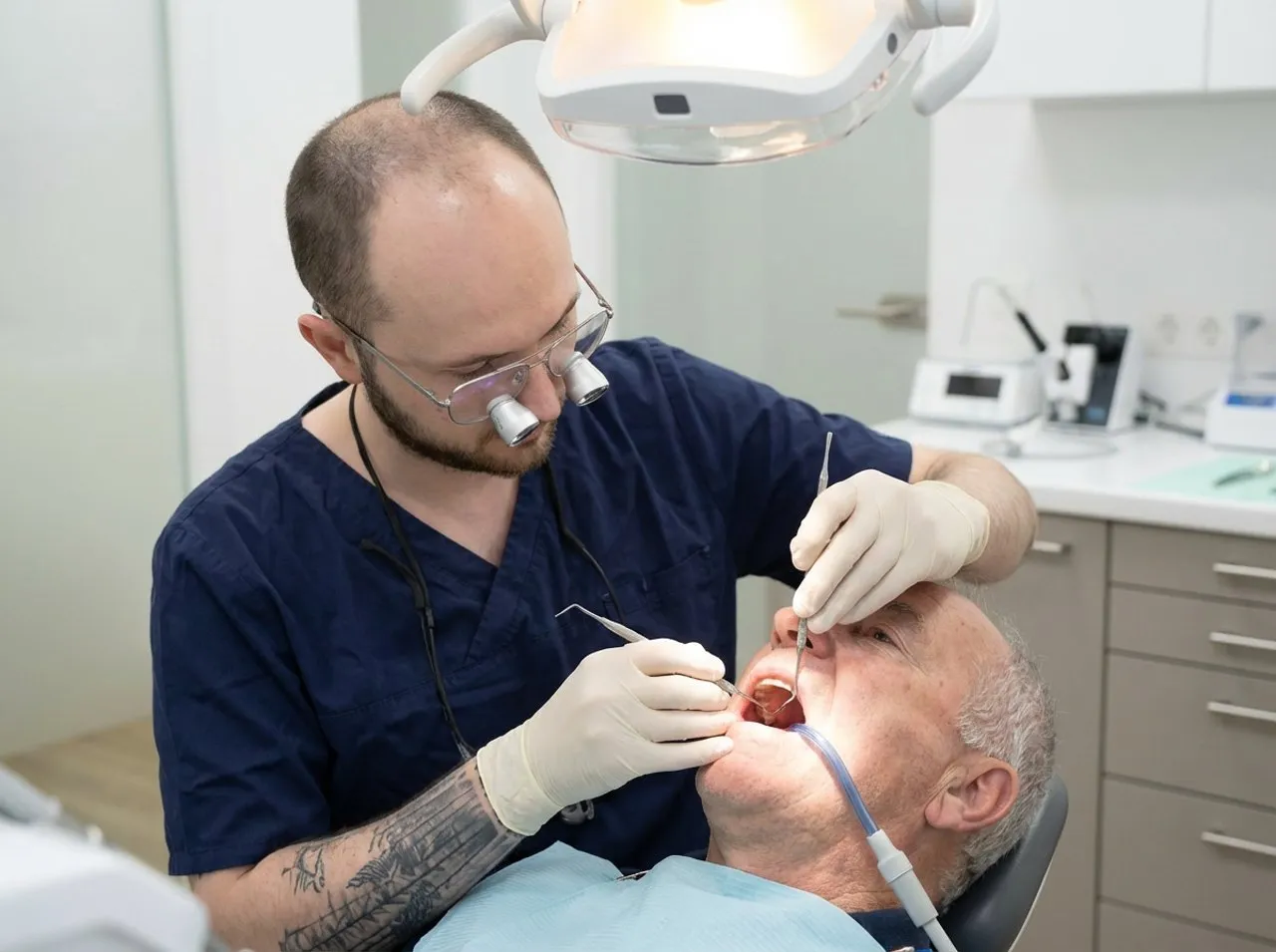
How is cleaning below the gum line carried out?
Dentist wearing magnifying loupes treating a patient in the dental chairBlue mouthwash being poured from the bottle into the cap
1

Closed periodontal treatment

Under local anaesthetic, the dentist cleans the root surfaces below the gum line. Special hand instruments and ultrasonic devices remove plaque and bacterial biofilms from the pockets. According to the PAR guideline, this step should be completed within four weeks where possible.

2

Irrigation and supportive measures

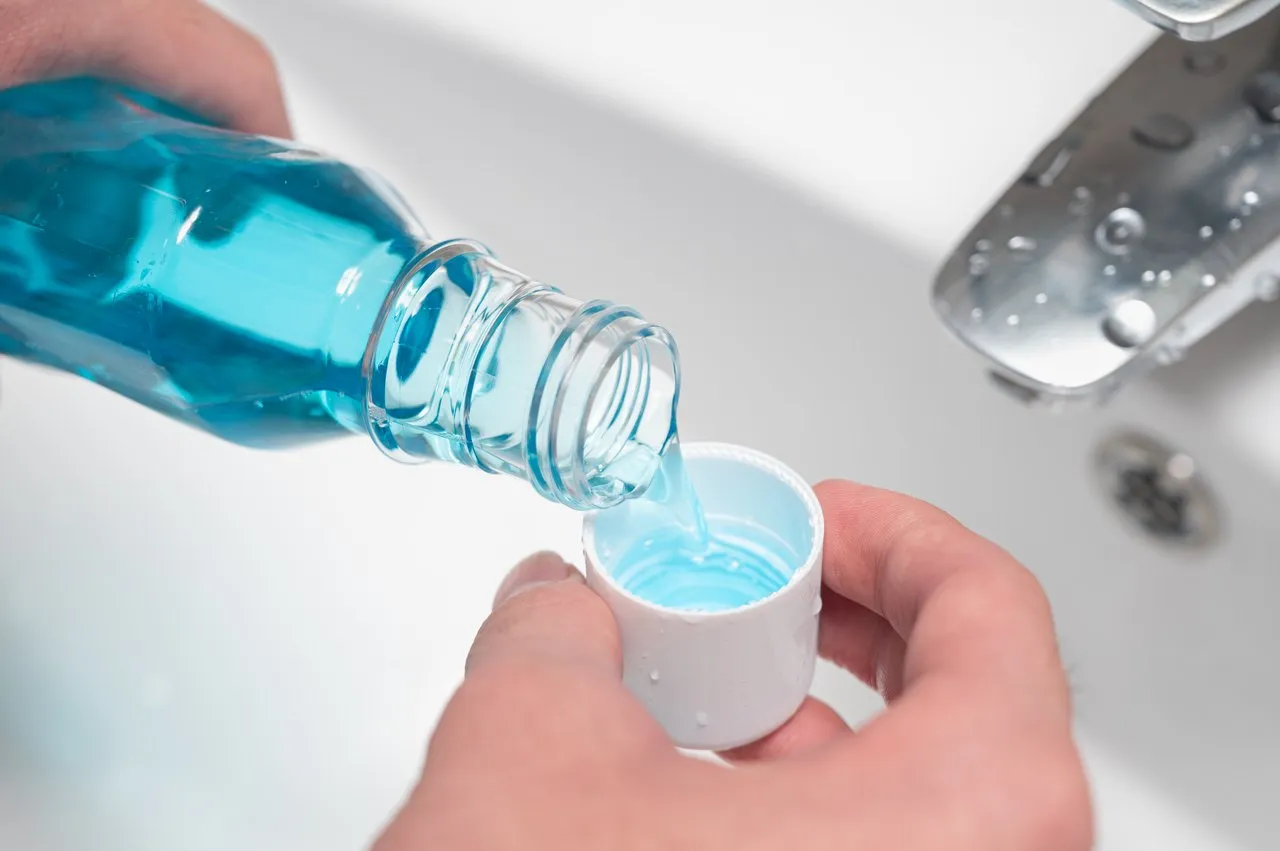
After cleaning, the gum pockets are irrigated with antibacterial solutions; this reduces the number of bacteria and supports healing. In particularly severe cases, systemic antibiotics may be prescribed under Section 10 of the PAR guideline. Antibiotic therapy applied locally into the pocket and microbiological testing of the bacteria, on the other hand, are not covered by statutory health insurance.
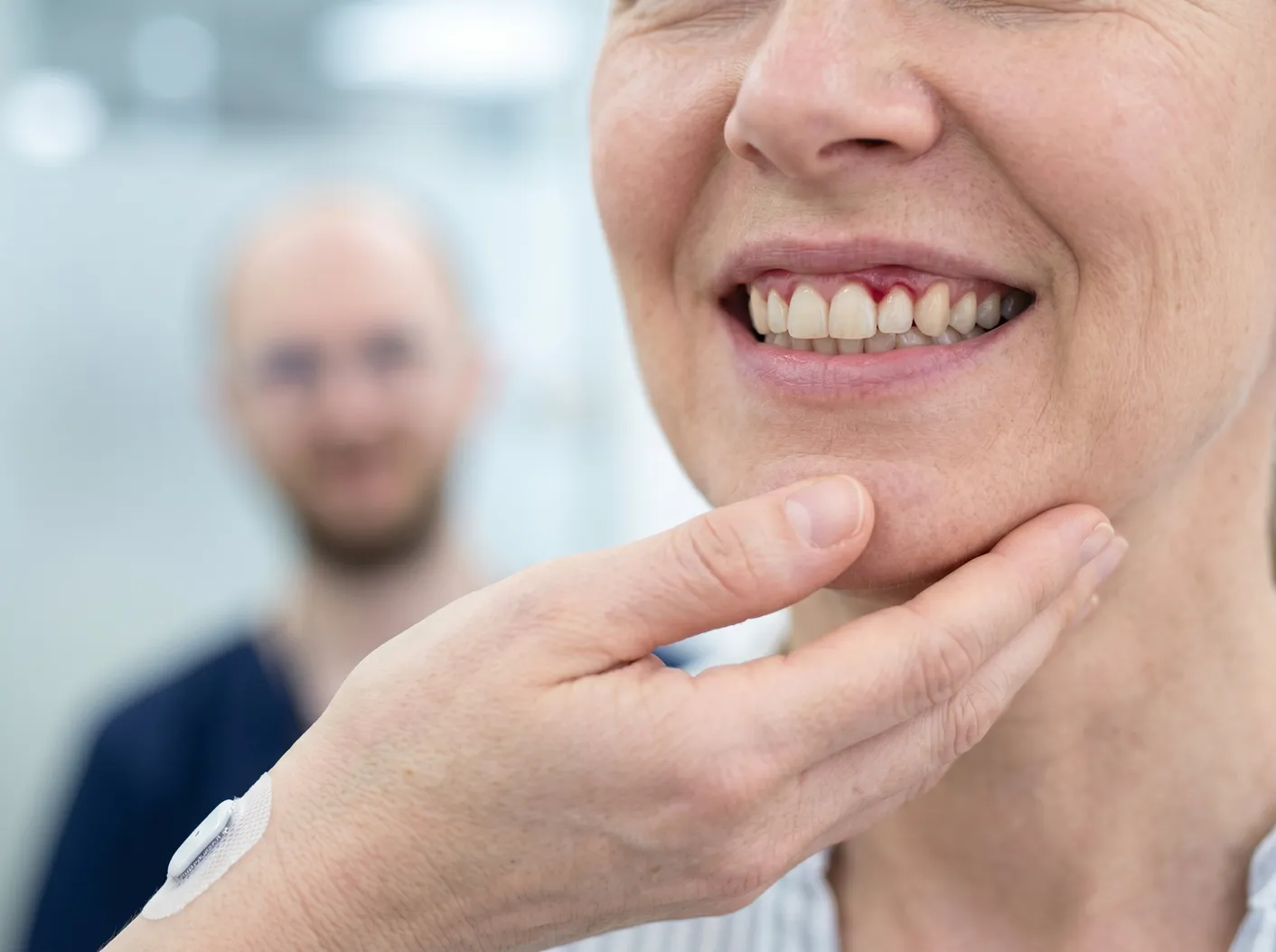
Smiling woman with reddened gums on her upper teeth, with a dentist blurred in the background

Periodontal disease and general health

What happens if deeper pockets remain?
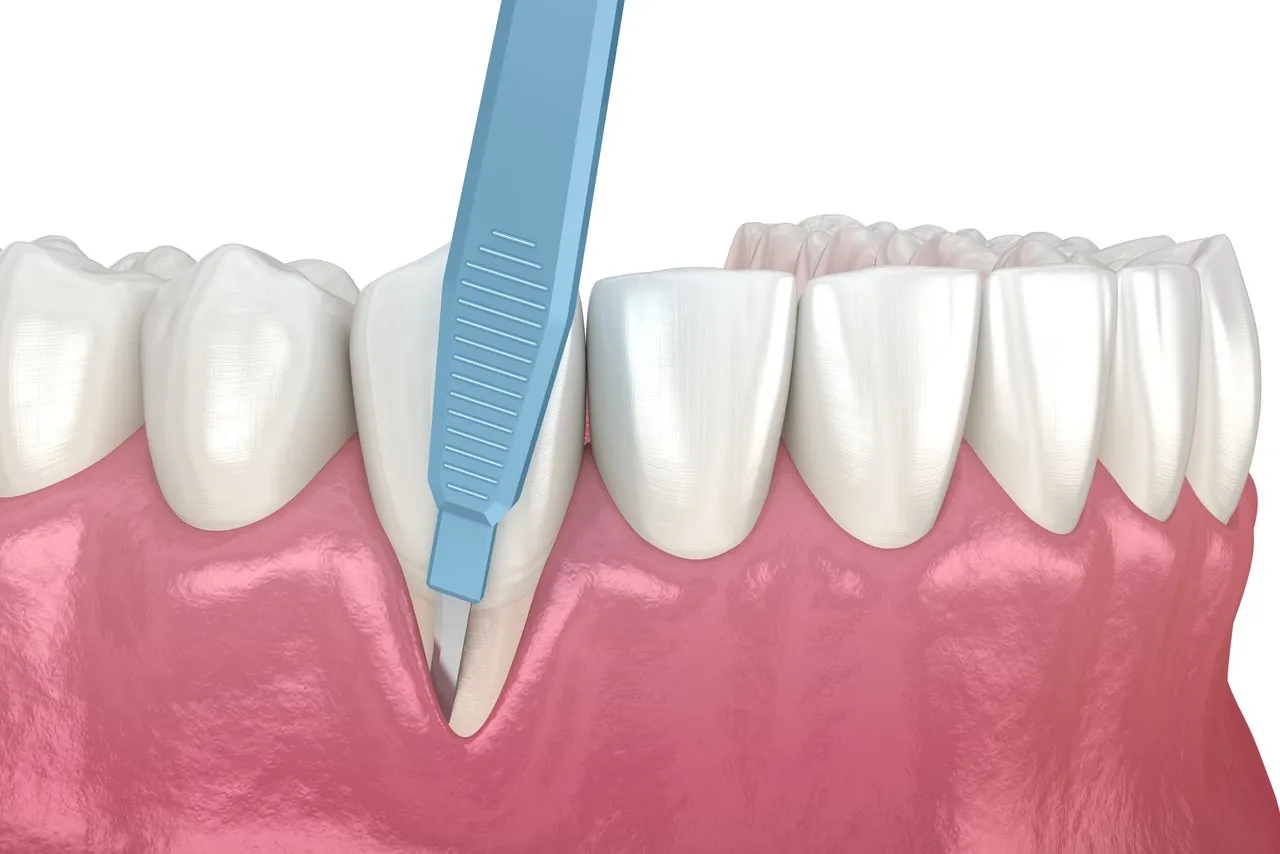
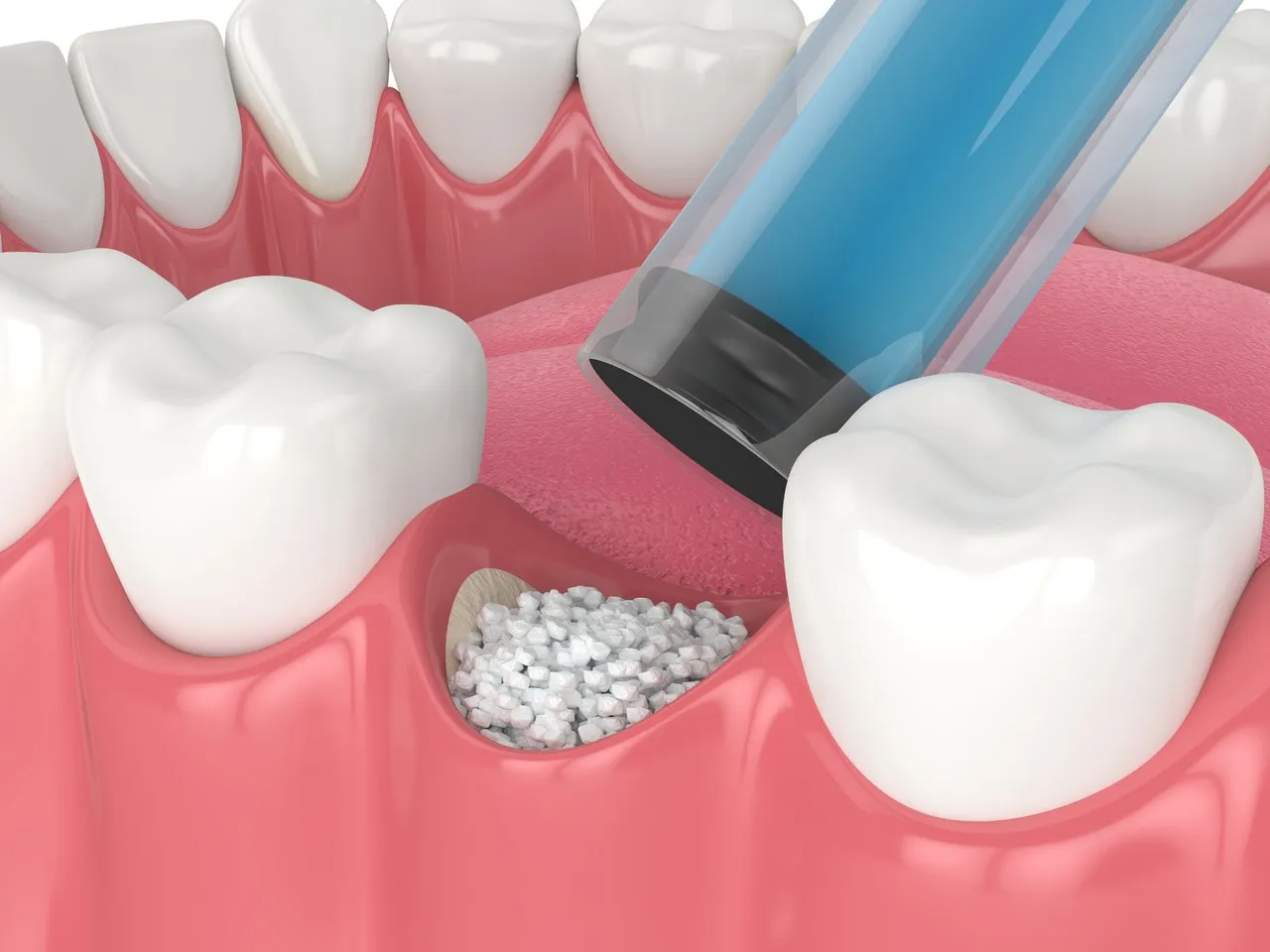
3D illustration: A hand instrument being guided between the gum and the tooth root3D illustration: bone substitute material is inserted into a bone defect between two back teeth
1

Open periodontal therapy for deep pockets

If the gum pockets are very deep, open treatment may be necessary. The dentist carefully folds the gum to one side so that the root surfaces and any irregular bone can be smoothed under direct vision.

2

Regenerative procedures and bone augmentation

Regenerative techniques are used for selected residual deep pockets with suitable intrabony defects after initial therapy. Membranes, bone granules or special proteins support the formation of new tissue to reconstruct the supporting structures of the teeth as far as possible and preserve teeth.

Woman grimacing in pain and holding her cheek, with a glass of water containing a lemon slice in her hand

Disadvantages of periodontal treatment: what remains once the inflammation has gone

The six disadvantages in detail
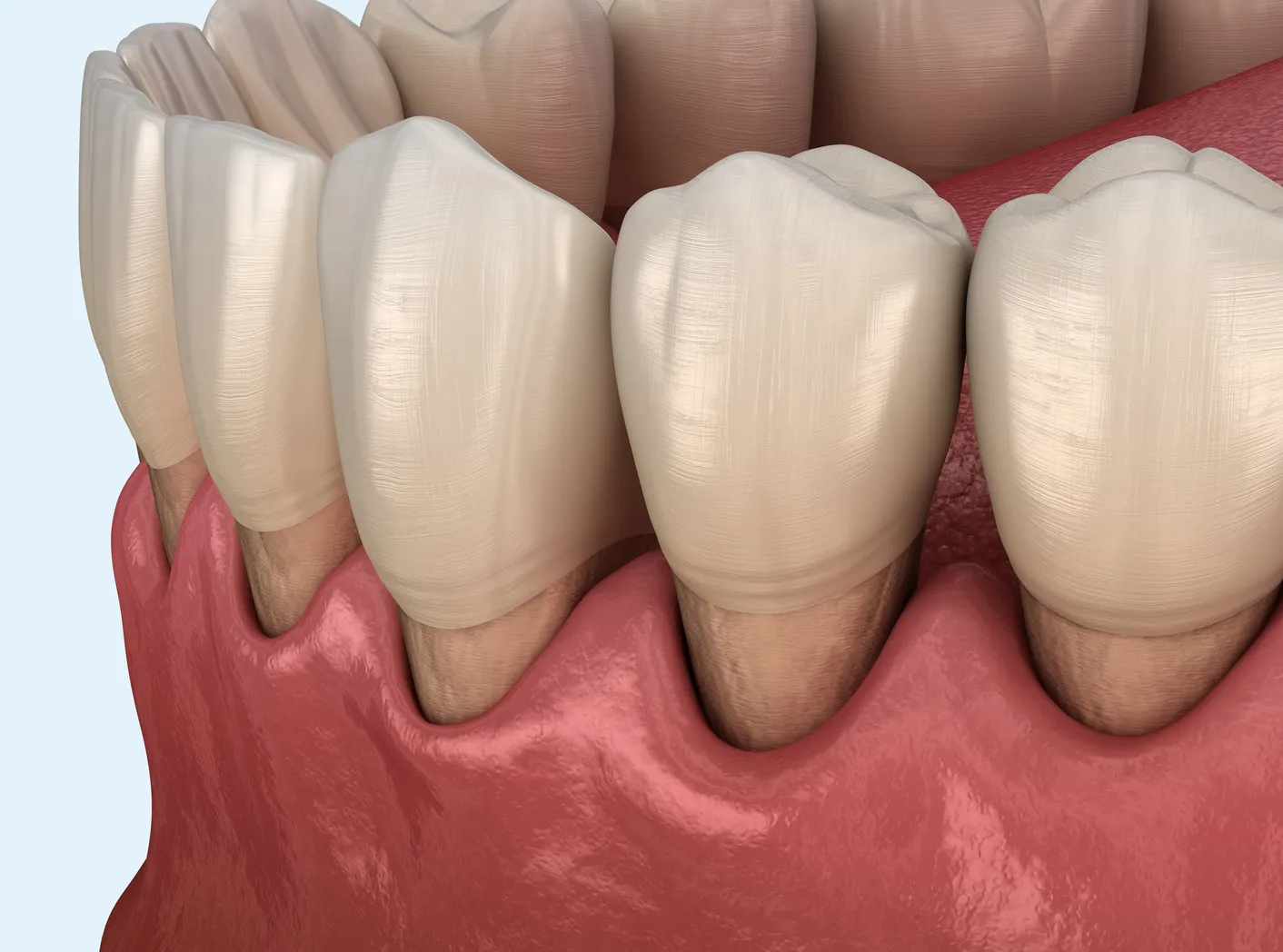
3D illustration: Receded gums exposing the necks of several lower teeth
Dentist examining the mouth of a smiling female patient in the dental chair

How long does periodontal treatment take overall?

28–31 monthsfrom the start of cleaning to the end of UPT: around 4 weeks of cleaning, 3–6 months until UPT, 24 months of UPT
up to 37 monthswith an additional surgical step and further reassessment
up to 43 monthswith an approved extension of UPT by generally no more than 6 months
2 / 4 / 6maximum UPT sessions over two years for grade A / B / C (minimum interval 10 / 5 / 3 months, PAR guideline)
Calculator, stacks of coins, a dental model, paperwork and a piggy bank on a table

What statutory health insurance covers and what you pay yourself

€101.36Professional teeth cleaning (GOZ 1040) for 28 teeth, at 2.3 times the rate; according to the KZBV, the usual range is €80–120, as at 09/2026
€1.94per tooth: local administration of antibiotics (GOZ 4025), at 2.3 times the rate, plus medication
€23.28per tooth: filling a bone defect (GOZ 4110), at 2.3 times the rate, plus material
€28.46per tooth: membrane (GOZ 4138), at 2.3 times the rate, plus material

The fee scale: 2.3 times, 3.5 times and what applies above that
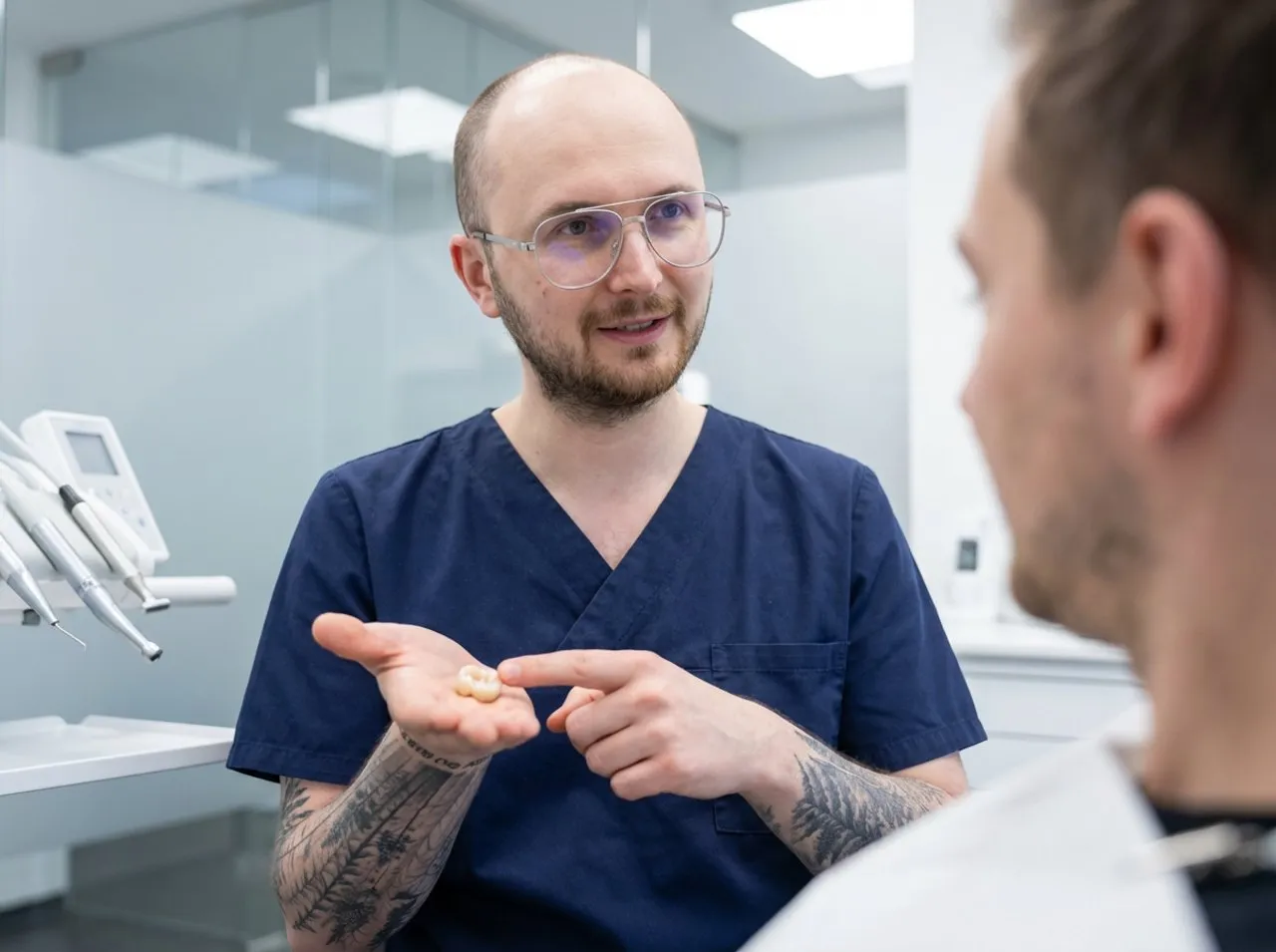
Dentist explaining something to a patient in the treatment room and pointing to a small object in his hand
Female dentist explaining an X-ray and a digital dental model on a screen to a female patient

When does periodontal treatment reach its limits?
74 out of 100gum pockets reach the treatment target after cleaning (2020 review article, 95% confidence interval 64–85)
9 to 11 timeshigher risk of tooth loss with a remaining 6 mm pocket compared with a pocket of up to 3 mm (Swiss long-term study, 172 patients, average 11.3 years)
over 75%bone loss or grade III furcation involvement, each together with grade III mobility: according to the PAR guideline, removal of the tooth is then generally indicated
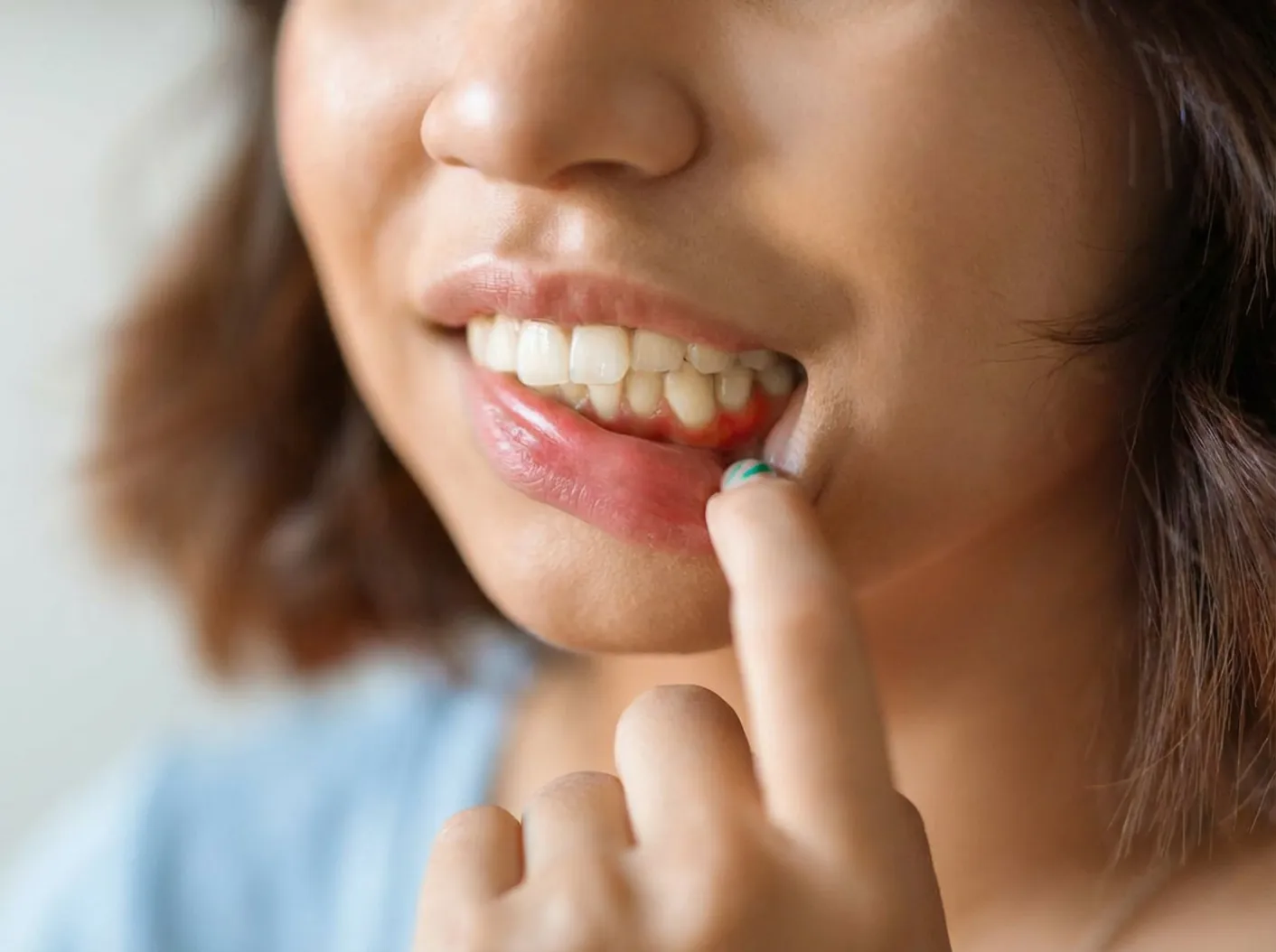
Woman pulling down her lower lip with her finger to reveal reddened, inflamed gums

What relapse really means

2.7% / 3.4%relapse within 3 years with a moderate risk profile, with and without regular aftercare respectively (study of 164 patients)
6.7% / 11.2%relapse within 3 years with a high risk profile, with and without regular aftercare respectively
9.5%of teeth were lost during at least 5 years of aftercare, from all causes; for periodontal reasons, depending on the study, 1.5–9.8% (13 studies, 41,404 teeth)
36–88.5%of patients in these studies did not lose a single tooth over the entire period
Woman with a worried expression holding a folded cloth to her cheek

Aftercare immediately following treatment
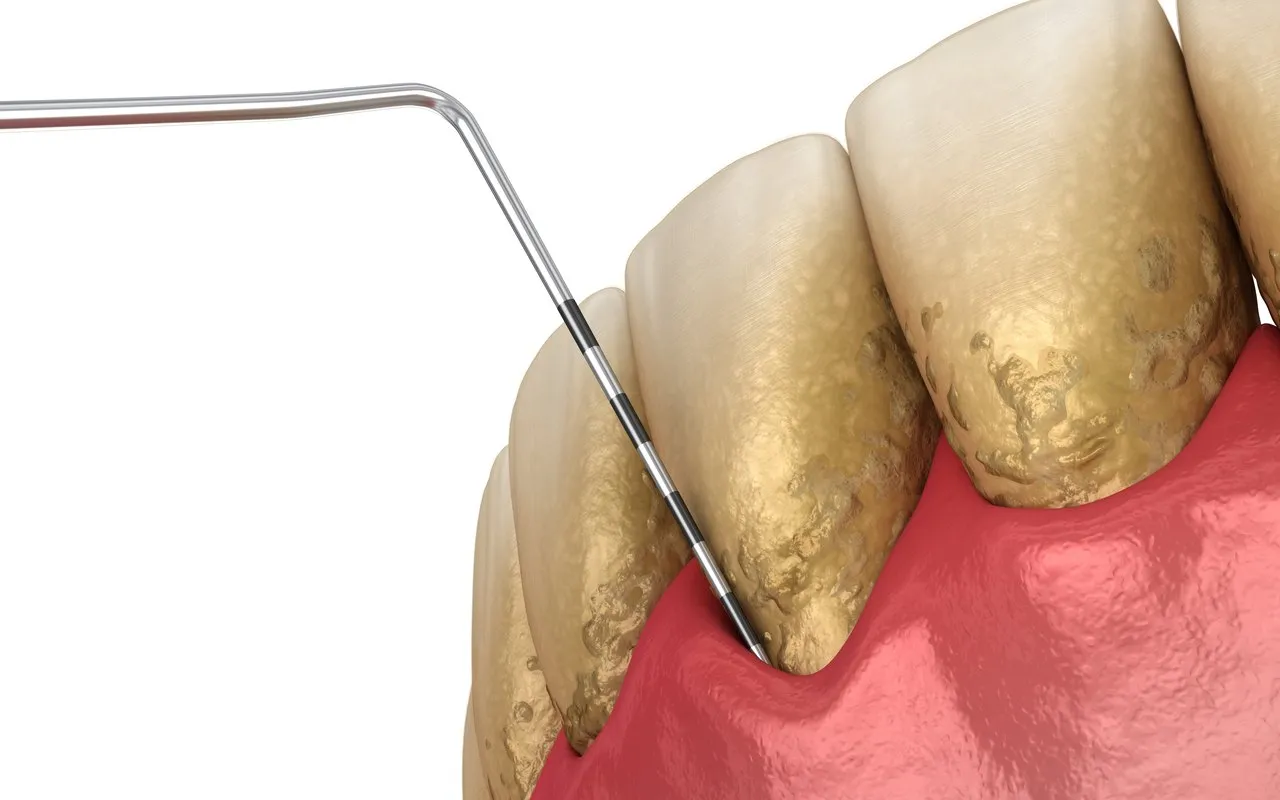
3D illustration: A periodontal probe with millimetre markings measuring the depth of a periodontal pocket

Check-ups and maintenance phase

How often does aftercare (UPT) take place, depending on the grade?

Female dentist showing a smiling patient in the dental chair a tube of toothpaste
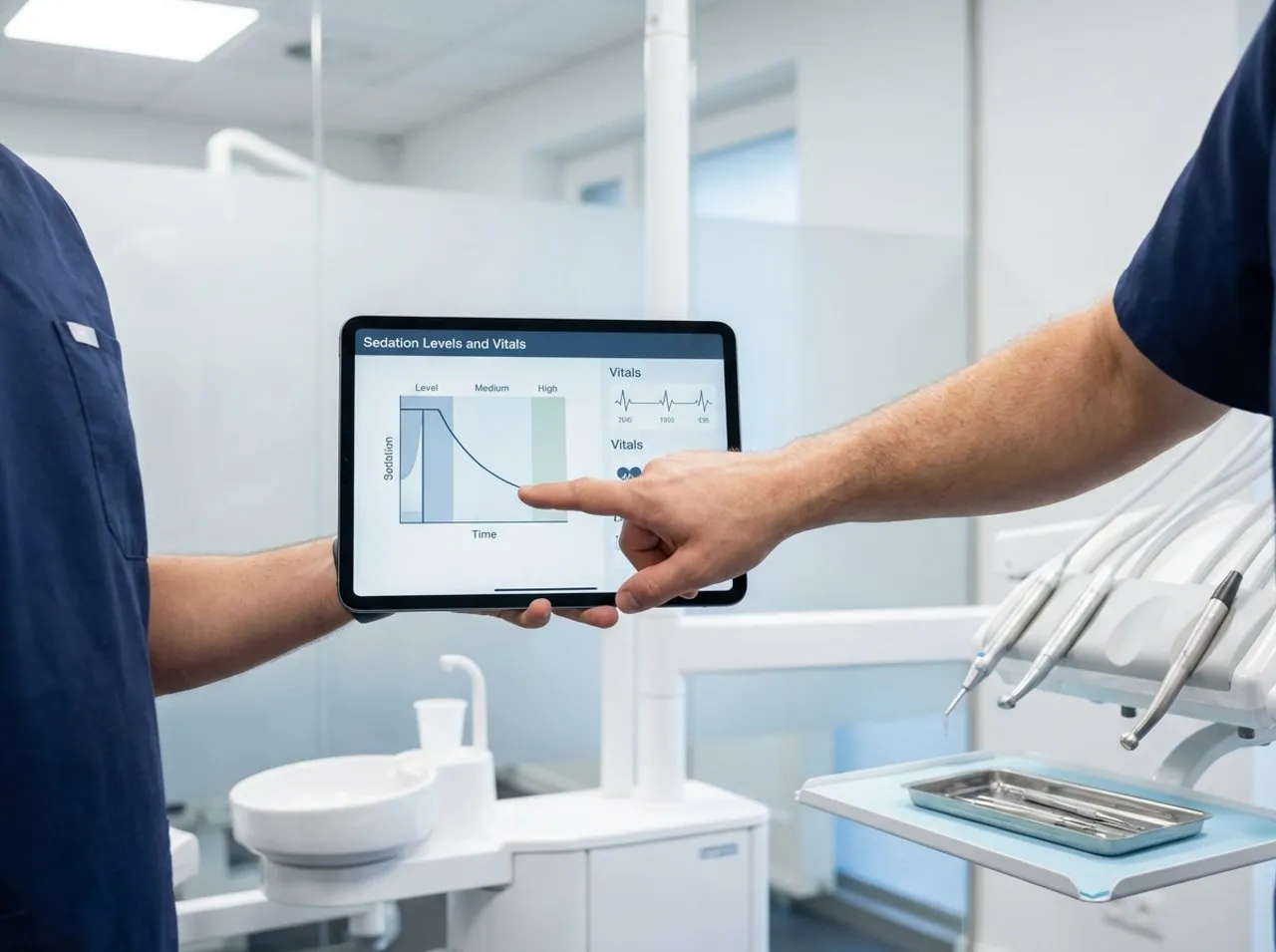
Dentist showing a graph of sedation and vital-sign readings on a tablet, with a dental chair in the background

Periodontal treatment at Wunschlachen in Berlin

FAQ – frequently asked questions about the periodontal treatment process
3D illustration: a toothbrush head cleaning a back tooth

What you can do yourself to help treatment succeed