Tavor – uses, effects and important information
Tavor is a well-known tranquilliser. It is mainly used in cases where patients suffer from severe inner restlessness. Anxiety or acute tension can also be reasons for taking it.
In dentistry, the medicine is often used to give anxious patients the sense of calm they need before a procedure. This makes the treatment process easier. Many people associate a visit to the dentist with nervousness or panic.
This is precisely where Tavor can help to reduce tension. Its use must be coordinated carefully with the dentist or doctor. Only then can treatment proceed safely and comfortably.
Über 350 Google-Bewertungen
How quickly does Tavor work?
Tavor (active ingredient lorazepam) is a prescription-only benzodiazepine that provides short-term sedation for anxious dental patients; it is usually taken approximately 30 to 60 minutes before the procedure. Taking it and the dosage must always be coordinated with a doctor. Afterwards, your reactions will be impaired – do not drive. Frequent use carries a risk of dependence, so it should only be used for a short time and under supervision.
- Key point
- A benzodiazepine with anxiety-relieving and calming effects; it enhances the activity of GABA, an inhibitory neurotransmitter in the brain.
- Important information
- Only take as prescribed by a doctor; tell your doctor about all medicines you take so that they can be reviewed for interactions; do not combine with alcohol, other sedatives or opioids, as this can cause potentially serious respiratory depression; do not drive after taking it and arrange for someone to accompany you.
- Not suitable
- For people with severe respiratory diseases, liver problems or drug dependence, or during pregnancy and breastfeeding; discuss alternatives with a doctor.
This does not replace medical advice; only take as prescribed by a doctor and following individual consultation.
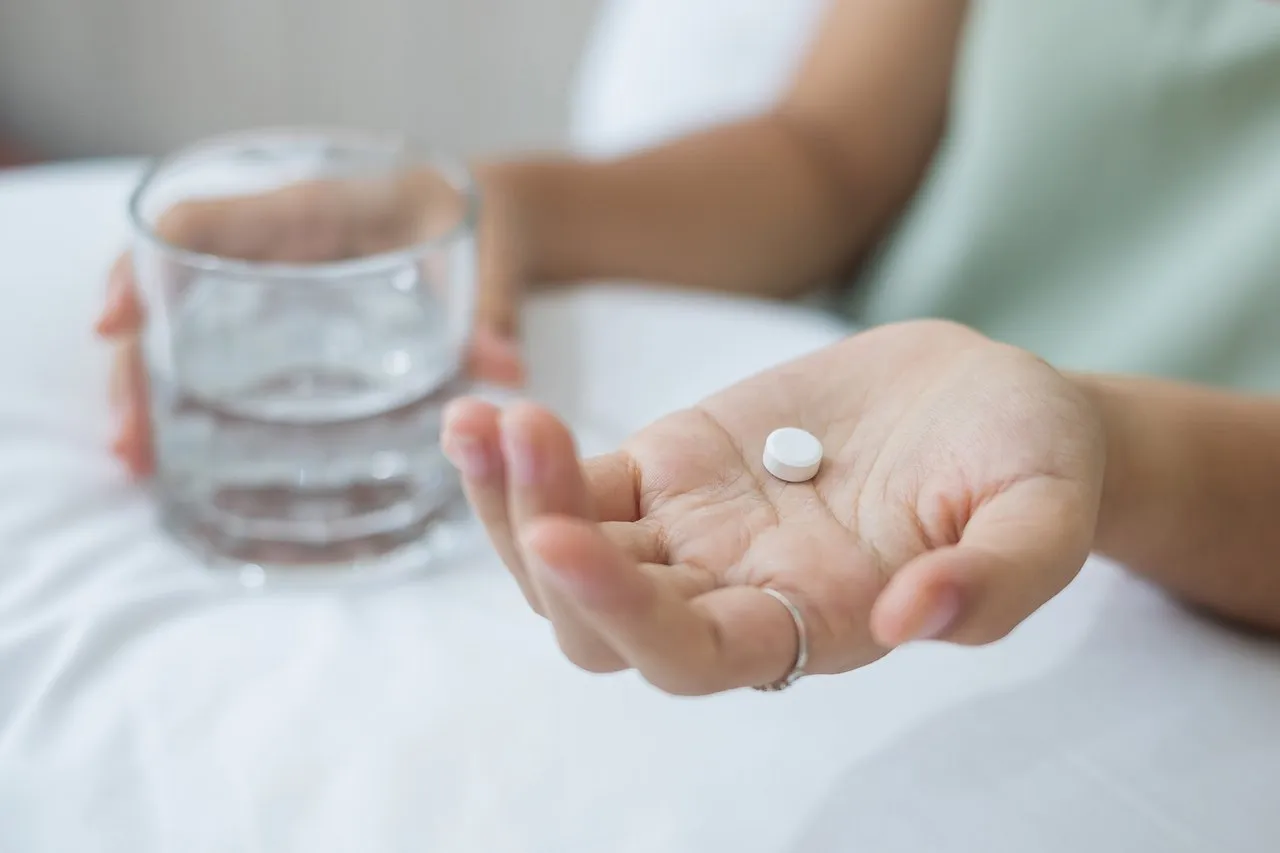
Tavor's effects – how the medicine works in the body
The tranquilliser Tavor belongs to the benzodiazepine class of active substances. It relieves anxiety and has calming and relaxing effects; at higher doses, it also promotes sleep. Its calming effect generally sets in shortly after it is taken. For this reason, the medicine is often administered shortly before a procedure. This effect is particularly valuable in dentistry. Fear of treatment is a major hurdle for many patients. The medicine helps to release tension and enables the patient to experience treatment much more calmly.
Tavor's effect is based on the active substance lorazepam binding to specific receptor sites on nerve cells in the brain. There, it enhances the effect of gamma-aminobutyric acid (GABA), a neurotransmitter produced naturally by the body. This neurotransmitter is responsible for inhibiting nerve signals.
This dampens activity in the central nervous system, leading to a state of inner calm. This effect not only helps to alleviate anxiety but can also relieve muscle tension. In some cases, the medicine can even dull the patient's memory of the procedure.
Patients find this effect particularly reassuring during longer or more complex dental treatments. The medicine is also suitable for people who have already had bad experiences at the dentist. This makes it possible to approach dental treatment in a new and stress-free way.

Correct use and dosage
Tavor must always be taken in consultation with a doctor on an individual basis. The dosage depends on body weight, general state of health and the degree of tension. The medicine is usually taken in tablet form around 30 to 60 minutes before the procedure. This allows it to take effect in time for the start of treatment.
After taking it, your ability to react is impaired. This means that you cannot drive or otherwise take part in road traffic afterwards. Someone should accompany the patient home.
Taking Tavor without medical instructions must be avoided at all costs. Tavor is a prescription-only medicine that should only be used when there is a clear medical indication and under supervision. It is not intended for long-term use, as this can lead to dependence.

Tavor side effects – what patients should look out for
Like any medicine, this tranquilliser can also cause side effects. Patients frequently report drowsiness, light-headedness, difficulty concentrating or slower reactions after taking it.
These effects are usually temporary and subside once the active substance has been broken down by the body. In some cases, dizziness, muscle weakness or headaches may occur. Sensitive patients may also experience mood swings or paradoxical reactions, in which restlessness or nervousness increases.
It is particularly important that the medicine is not taken together with alcohol or other powerful tranquillisers. Combining it with opioids can also cause potentially serious respiratory depression. Anyone who regularly takes other medicines should discuss this with their treating doctor before Tavor is administered so that all medicines can be reviewed. This helps to avoid interactions and other dangerous effects.

Use in dentistry – calm and safety
For many patients with dental anxiety, Tavor is crucial in enabling them to undergo dental treatment at all. Its relaxing effect lowers the pulse, and anxiety fades into the background. The patient can often tolerate treatment better, and the dentist can work in a focused manner without interruptions. This is particularly beneficial for longer procedures such as implant placement or complex surgical treatments.
However, Tavor is not suitable for every patient in dentistry. Suitability must be assessed individually, with appropriate monitoring, as Tavor can cause respiratory depression. People with certain pre-existing conditions, such as severe respiratory diseases, liver problems or a known drug dependency, should not take this preparation. Pregnant and breastfeeding women must also use other methods of relaxation.