
Sudden toothache • Causes and rapid relief
Toothache is one of the most common reasons why patients visit a dental practice. The unpleasant sensation can severely disrupt everyday life and even affect sleep, appetite and quality of life. But what helps? And when should you definitely see a dentist?
Even if you...
Über 350 Google-Bewertungen
The short answer
Common causes of toothache include tooth decay, inflammation of the tooth root, defective fillings or crowns, exposed tooth necks and gum inflammation. Cooling the area and suitable painkillers can provide short-term relief. If the pain lasts longer than 24 hours, is very severe or is accompanied by swelling, you should see a dentist promptly for an assessment. If you have difficulty breathing or swallowing, seek immediate emergency medical assessment; in Berlin, call 112.
- Typical causes
- Tooth decay, root inflammation, defective fillings or crowns, exposed tooth necks, gum inflammation, night-time teeth grinding
- Warning signs
- Pain lasting over 24 hours, very severe pain, swelling, sudden onset of symptoms. Difficulty breathing or swallowing requires immediate emergency medical assessment; in Berlin, call 112.
- First aid
- Cooling and rinsing with sage or camomile provide short-term relief but are no substitute for treatment
- When to see a dentist
- If the pain persists or is severe, book an appointment as soon as possible. If you have difficulty breathing or swallowing, seek immediate emergency medical assessment instead; in Berlin, call 112.
General information, no promise of a cure. A dental examination will determine the cause and treatment; please take medication only as agreed with a doctor.

First aid for toothache
Until your appointment, you can use simple measures to relieve the pain, at least temporarily:
Painkillers
Over-the-counter medicines such as ibuprofen, paracetamol or acetylsalicylic acid (ASA) can help relieve pain. However, be aware of possible interactions and side effects – if in doubt, ask your doctor or pharmacist. For children, use age-appropriate options such as ibuprofen or paracetamol rather than aspirin.
Cooling
If inflammation is present, you can cool the affected area with a cold pack or a damp, cold cloth. This can reduce the pain somewhat and ease the swelling.
Home remedies
• Sage and chamomile tea: Both teas have antibacterial and anti-inflammatory properties. Used as a cold rinse, they can provide temporary relief.
• Cloves: Biting on a clove can locally numb the tooth nerve. Please note: Pregnant women should avoid cloves, as the clove oil they contain can promote labour.
• Salt water: A lukewarm salt rinse can help reduce germs and soothe the gums.
These measures can make pain more bearable in the short term, but they are no substitute for a visit to the dentist. The affected tooth must receive medical treatment.

Causes of toothache
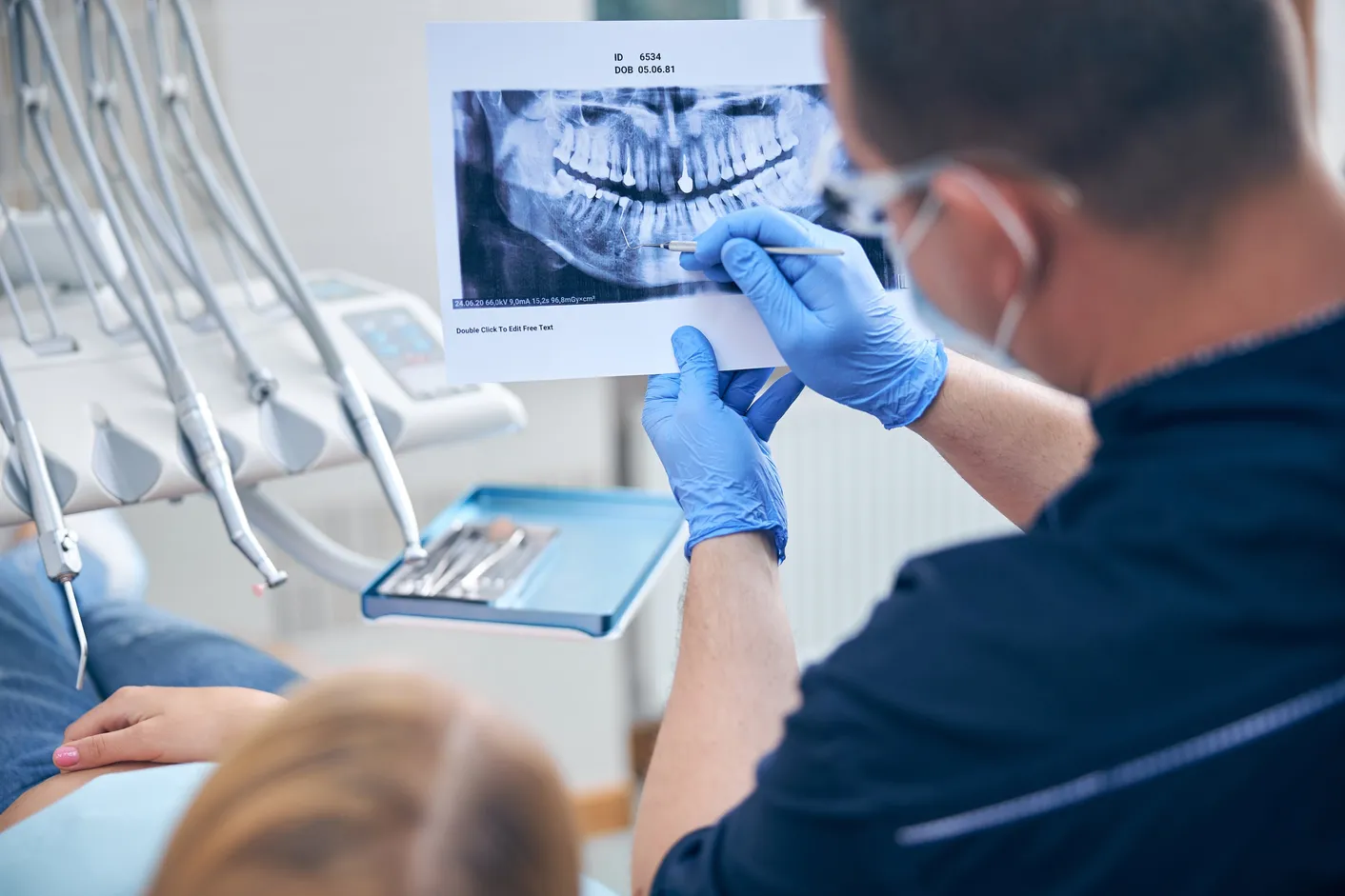
The causes of tooth pain usually have one thing in common: irritation of the dental nerve (pulp) inside the tooth. Pain occurs when this nerve is left unprotected or is attacked by bacteria. Here are the most common causes:
When should you see a dentist?
Many people ask themselves: "When should I see a doctor about toothache?"
The answer is clear: whenever the pain lasts longer than a day, is very severe, feels throbbing or stabbing, or there is even swelling. If this is the case, you should seek dental treatment immediately.
Do not wait too long, as inflammation in the mouth can spread quickly. In the worst case, serious health problems can develop. If you have difficulty breathing or swallowing, seek immediate emergency medical assessment rather than waiting for a dental appointment; in Berlin, call 112.
Toothache in children
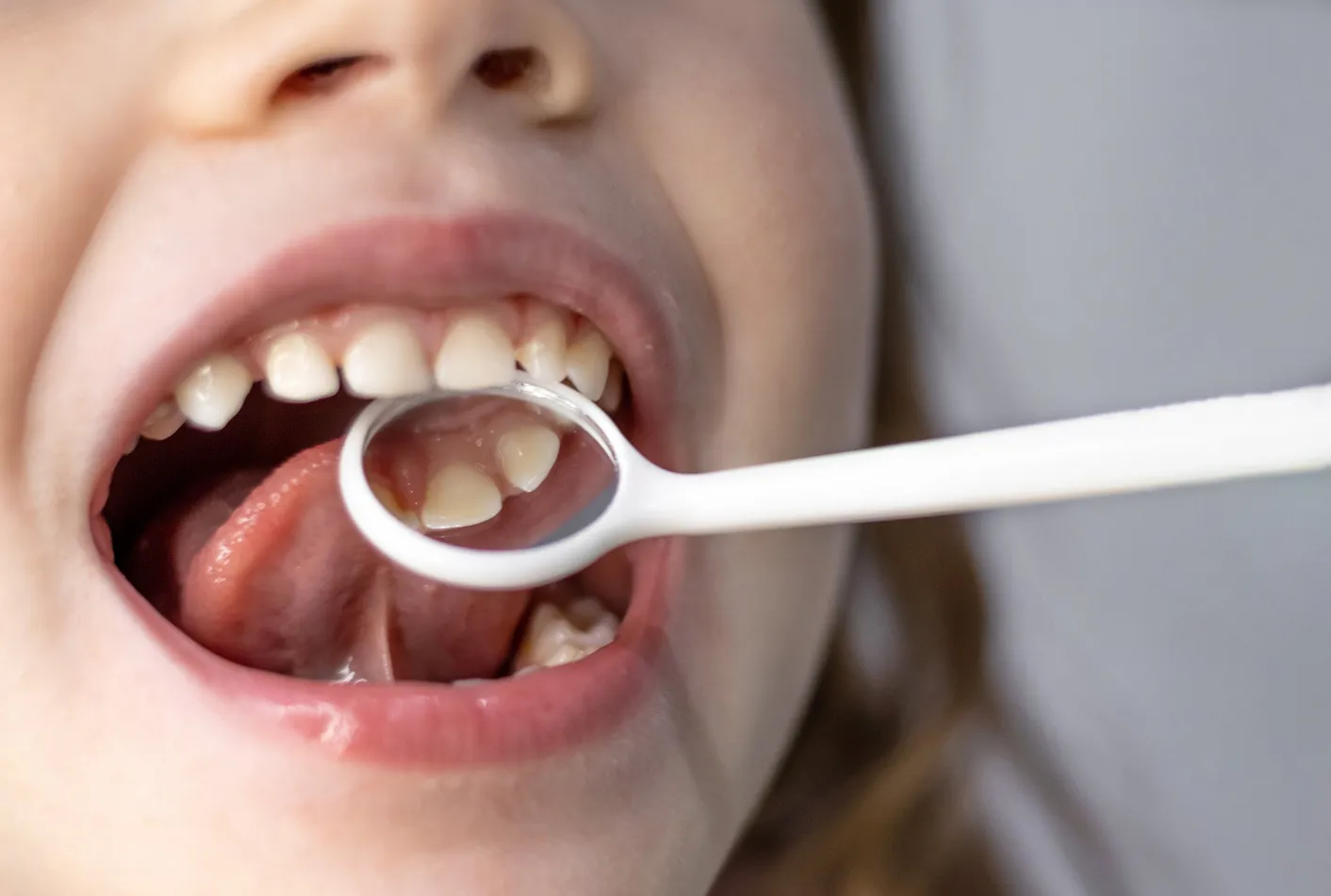
Children can also suffer from tooth pain, for example due to tooth decay or erupting permanent teeth. Parents should not hesitate to arrange a dental appointment early to prevent damage to the milk tooth or permanent tooth.
Treating toothache at Wunschlachen
At our Wunschlachen dental practice in Berlin, we always treat tooth pain with the aim of permanently eliminating the cause. To do this, we offer you modern diagnostic procedures, gentle treatment methods and personalised care.
Our experienced team treats both acute and chronic pain so that you can quickly be free of symptoms again.

Preventing toothache
The best strategy against toothache is thorough dental care:
• brush your teeth at least twice a day
• use dental floss or interdental brushes once a day
• have regular dental check-ups
• have professional dental cleaning to remove stubborn plaque
This can effectively prevent tooth decay, gum inflammation and other causes of toothache.
FAQ: Toothache
Cool the area, take painkillers and book a dental appointment as soon as possible.
Painkillers, cold compresses and rinses with sage or camomile – but in the long term, only dental treatment will help.
Tooth decay, inflammation of the tooth root, defective fillings or crowns, exposed tooth necks, gum inflammation and more.
If the pain lasts longer than 24 hours, is very severe or is accompanied by swelling. If you have difficulty breathing or swallowing, seek immediate emergency medical assessment; in Berlin, call 112.
Yes, stress and tension can cause toothache, particularly through night-time teeth grinding.
If the pain lasts longer than a few days, you must visit the dental practice.
Yes, such as camomile or sage tea, cloves and salt water – they provide short-term relief but are no substitute for treatment.
Abscesses, tooth fractures, tooth decay or acute inflammation are common causes.
It is usually caused by inflammation inside the tooth as a result of deep tooth decay.
Through good oral hygiene, regular dental visits and a tooth-friendly diet.