Periodontitis treatment in Berlin – assessment, treatment and aftercare
Über 350 Google-Bewertungen
How long does it take to heal after gum disease?
Periodontitis treatment follows clear phases: after an examination involving probing, bleeding measurements and X-rays, a hygiene phase reduces bacteria; the gum pockets are then cleaned using a closed technique (scaling and root planing), usually under local anaesthetic. An early practice check follows after six to twelve weeks, distinct from the first formal periodontal evaluation three to six months after anti-infective therapy. The aim is to reduce inflammation and pocket depth; the patient's cooperation contributes significantly to successful treatment.
- Duration of treatment
- Active phase usually 4–8 weeks with 2–4 appointments of 45–90 minutes each; followed by maintenance therapy lasting several years.
- Anaesthesia
- Cleaning is usually carried out under local anaesthetic; afterwards, a feeling of pressure may occur, which subsides with cooling and rest.
- Costs
- Systematic periodontal therapy is largely covered by statutory health insurance where the clinical findings warrant it; the individual plan before treatment begins clarifies the details.
This does not replace personalised dental advice; definitive cost information is provided before treatment begins.
Your next step
Book an examination appointment · Choose a location and contact. The examination will establish whether treatment is needed and, if so, which treatment.
Are you looking for information about signs and causes first? The guide to periodontitis explains these basics. This page covers the findings, treatment planning and aftercare.
The periodontitis self-test can provide initial guidance. It cannot replace a dental examination or a diagnosis.
What does gum disease treatment involve, and how long does it take?
Examination and diagnosis
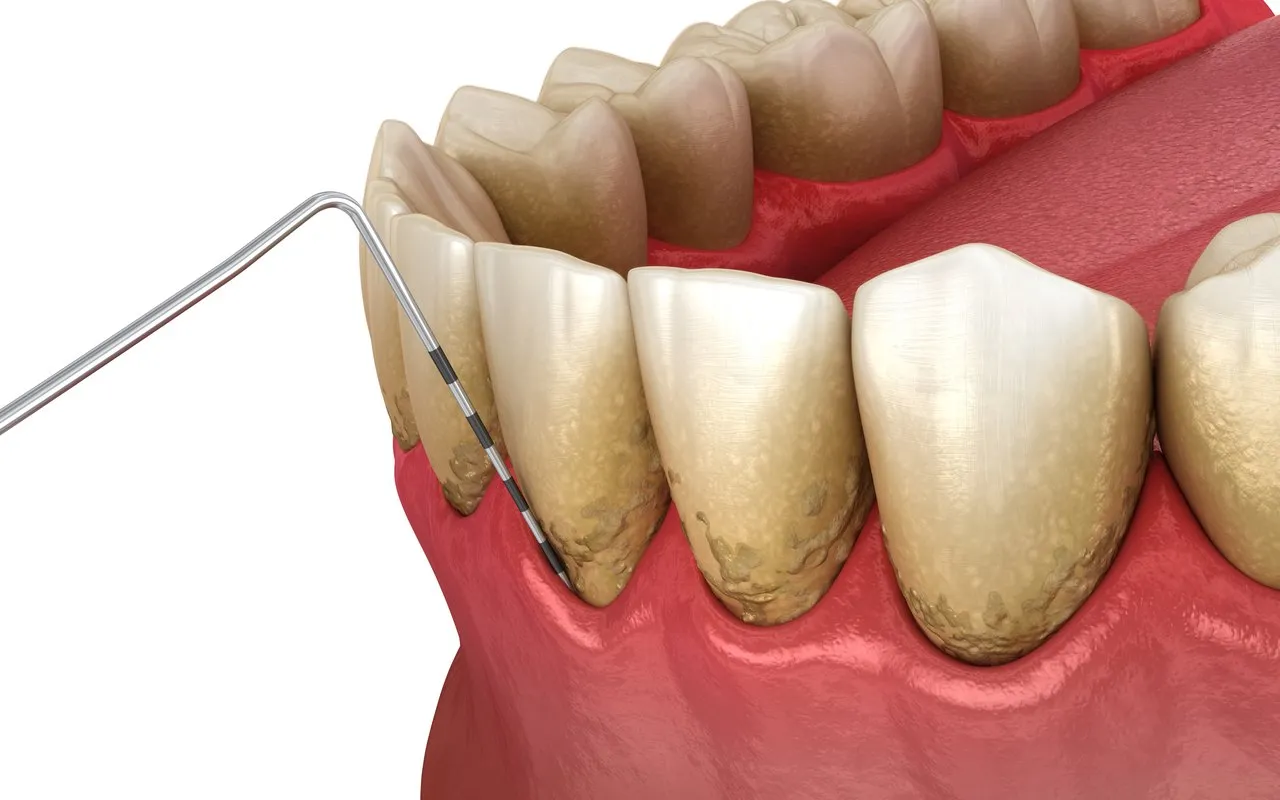
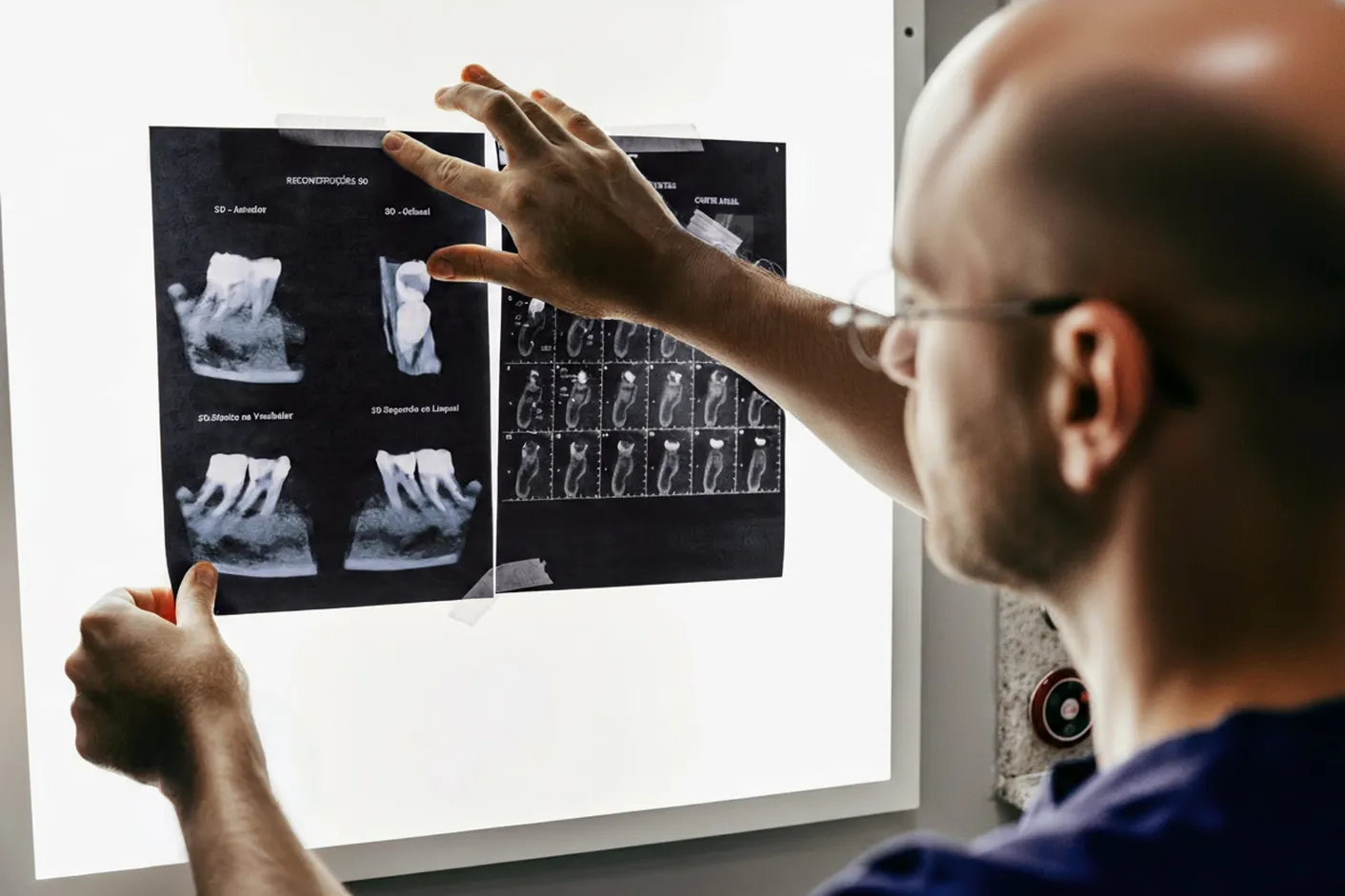
We measure probing depths, gum bleeding and tooth mobility, and assess an X-ray. This allows us to assess the severity. We also discuss risk factors such as smoking and diabetes.
Pre-treatment and hygiene phase
We will provide you with oral hygiene instruction, thereby reducing the number of bacteria in your mouth. An additional professional dental cleaning is possible; this is a privately payable service.
Cleaning the gum pockets (closed treatment)
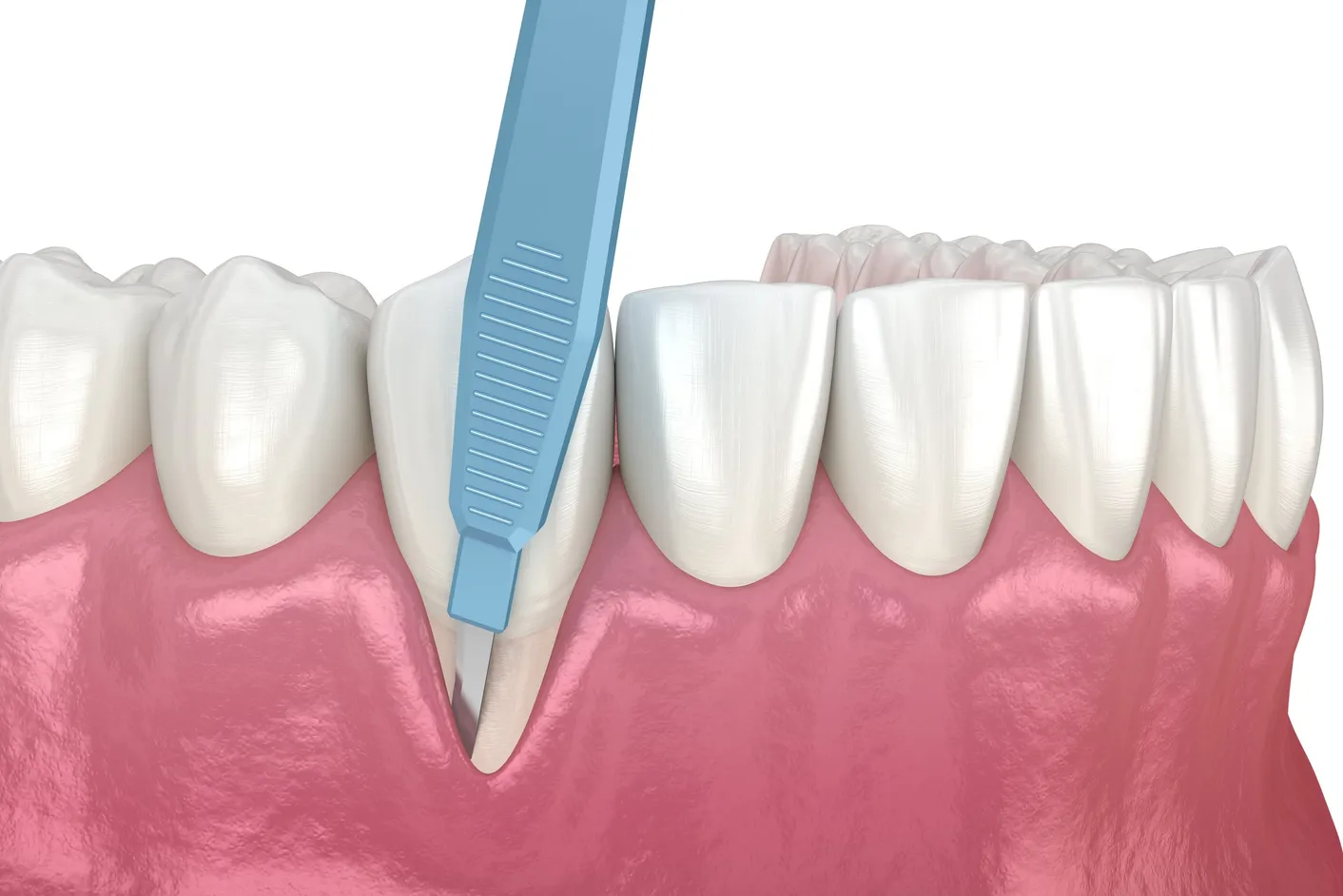
Using ultrasonic and hand instruments, we clean the gum pockets under local anaesthetic (scaling and root planing), usually over two to four appointments. If individual pockets remain deep, additional open surgical treatment may be advisable.
Early practice check after six to twelve weeks; formal evaluation three to six months after anti-infective therapy
We check pocket depth and gum bleeding again and adjust the therapy if necessary. Aftercare (supportive periodontal therapy, SPT) then begins.
The cost of gum disease treatment: what does health insurance cover, and what do you pay yourself?
Understanding what the gum examination involves.
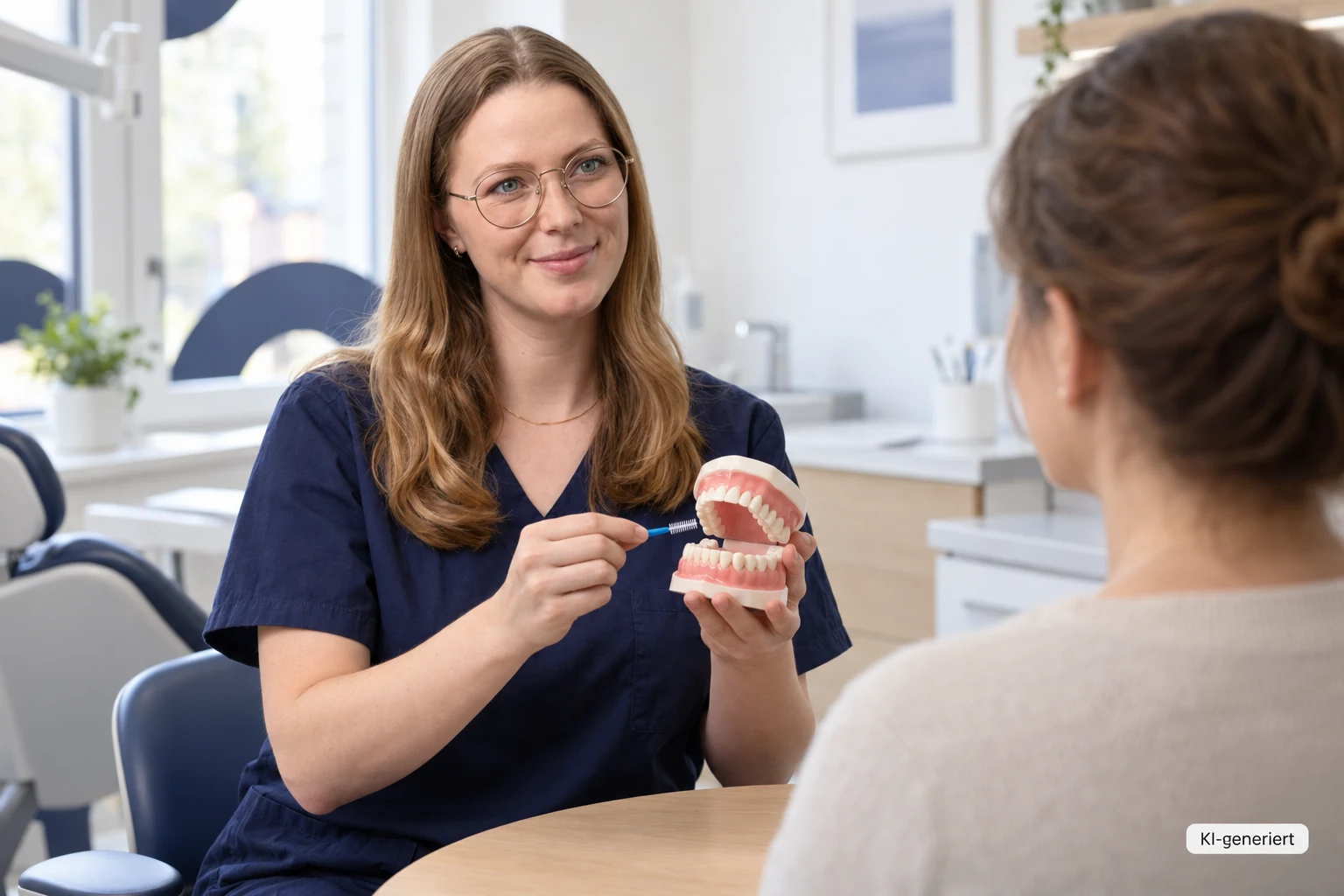
The consultation is not just about a single cleaning. You will learn what the findings are, which steps are recommended and what your ongoing care may involve. This also includes questions about oral hygiene at home. The most suitable aids will be explained individually.
Examine
The dental examination establishes the condition of your gums and the supporting structures of your teeth. A self-test does not provide a diagnosis.
Plan treatment
The findings, treatment steps and possible costs are explained. Your personal situation determines the approach.
Discuss aftercare
Check-ups and suitable oral hygiene are part of your ongoing care. You will receive your personal plan at the practice.
From initial guidance to an examination
If you would like to take a self-test, you can view your result without providing an email address. This assessment is not a medically validated diagnosis. If you have symptoms or receive a noteworthy indication, use this as a reason to book an examination. Whether a personal report is available by email is shown by the relevant delivery status in the self-test.
Useful information for your next step
What is the aim of periodontitis treatment?
Is cleaning the gum pockets painful? Anaesthetic and discomfort afterwards
What are the risks and disadvantages of gum disease treatment?
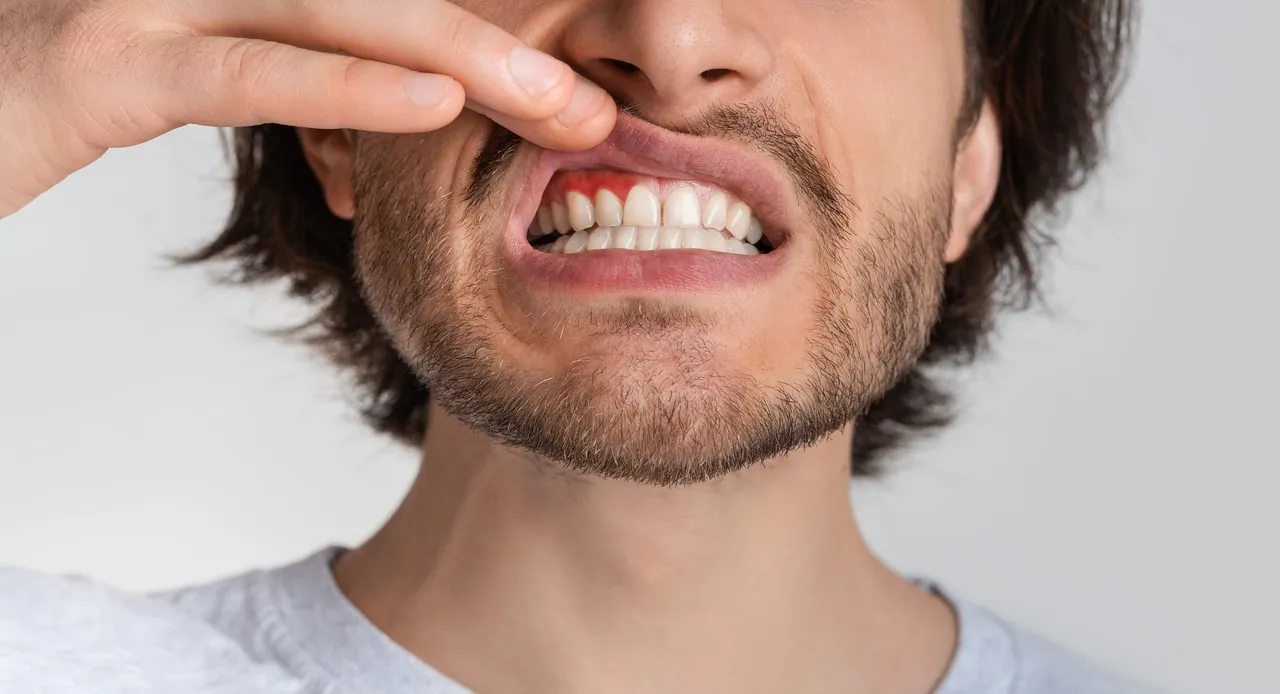
Aftercare following gum pocket cleaning: how can you support healing?